Top Aquarium Filter Pumps for Wholesale Buyers?
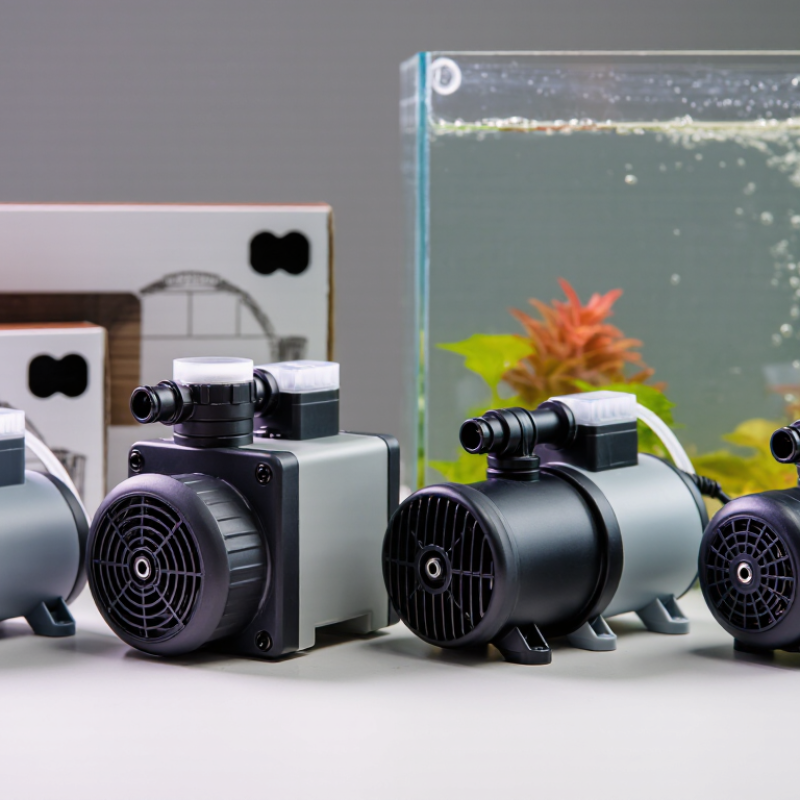
Wholesale aquarium buyers need more than attractive packaging and a low unit price. They need pumps that perform steadily across different tank sizes, water levels, and operating schedules. This guide introduces the Top Aquarium Filter Pumps for Wholesale Buyers, focusing on practical specifications, supplier reliability, and long-term value. The central product is the Aquarium Filter Pump, a small component with a major effect on water clarity, oxygen circulation, and customer satisfaction.
Real purchasing decisions often begin with a sample unit. Check its flow rate in a filled tank, not only in a supplier’s catalog. Measure noise beside a quiet retail counter. Inspect the power cord, intake guard, impeller, and adjustable control. Head height also matters. A pump rated for strong flow may weaken when connected to several feet of tubing or filter media. These details can expose differences between laboratory claims and everyday performance.
Wholesale buyers should also review batch consistency, warranty terms, packaging protection, and replacement-part availability. Ask for test records when possible. Confirm the supplier’s quality process instead of trusting polished photographs. No pump is perfect. Even a reliable model may need cleaning after heavy debris builds up. I have found that low-cost samples sometimes look impressive, but their seals or connectors feel less durable after repeated use. That finding is not universal, yet it deserves attention. A balanced evaluation helps importers select products that retailers can confidently recommend and aquarium owners can use safely.
Aquarium Filter Pump Basics: 4–6 Tank Turnovers per Hour for Wholesale Planning
Top Aquarium Filter Pumps for Wholesale Buyers?
For wholesale planning, begin with the aquarium’s total water volume. A practical target is four to six tank turnovers per hour. A 500-liter system therefore needs about 2,000–3,000 liters per hour in actual circulation.
Do not rely only on the pump box rating. That figure usually reflects open-flow testing, without filter media, tubing, or vertical lift. In a working setup, resistance reduces output. I have seen a pump rated at 3,000 liters per hour deliver much less after passing through dense media and two meters of hose. Measure real flow when possible. Small differences matter.
Choose pumps with adjustable output for mixed wholesale orders. Low-flow settings suit delicate fish and nursery tanks. Higher settings help heavily stocked displays with visible waste. Noise, heat, energy use, and replacement impellers also affect long-term value. A quiet pump may sell better in retail environments.
The 4–6 turnover guideline is useful, but it is not universal. Large fish, shallow tanks, and crowded systems may need stronger mechanical filtration. Gentle species may need less current, even when filtration remains high. Plan with a safety margin, but avoid excessive flow that stresses livestock or unsettles decorations. A simple bucket test can reveal more than a catalogue number. Some planning mistakes are still easy to make.
Top Aquarium Filter Pumps for Wholesale Buyers? - Aquarium Filter Pump Basics: 4–6 Tank Turnovers per Hour for Wholesale Planning
| Nominal Pump Flow | Planning Tank Volume
at 4–6 Turnovers/Hour | Typical Power Range | Typical Maximum Head | Common Use Case | Wholesale Planning Note |
600 L/h
158 gal/h | 100–150 L
26–40 gal | 8–12 W | 0.8–1.2 m
2.6–3.9 ft | Small freshwater aquariums, nano sump sections, and compact internal filters | Suitable for entry-level assortments; confirm that the flow can be throttled for smaller tanks. |
1,000 L/h
264 gal/h | 167–250 L
44–66 gal | 12–18 W | 1.0–1.5 m
3.3–4.9 ft | Medium community aquariums and hang-on or canister filter circulation | A practical core size for general retail and maintenance-service channels. |
1,500 L/h
396 gal/h | 250–375 L
66–99 gal | 18–28 W | 1.3–1.8 m
4.3–5.9 ft | Large freshwater tanks, planted aquariums, and compact sump systems | Good mid-range coverage; request performance data at the intended operating head. |
2,000 L/h
528 gal/h | 333–500 L
88–132 gal | 25–40 W | 1.5–2.2 m
4.9–7.2 ft | Large display aquariums, marine systems, and multi-chamber sump filtration | Prioritize adjustable flow, thermal protection, and spare-impeller availability. |
3,000 L/h
793 gal/h | 500–750 L
132–198 gal | 40–65 W | 1.8–2.8 m
5.9–9.2 ft | High-volume freshwater or marine filtration and commercial display tanks | Best suited to specialist channels; include hose adapters and clear installation guidance. |
4,000 L/h
1,057 gal/h | 667–1,000 L
176–264 gal | 55–90 W | 2.0–3.2 m
6.6–10.5 ft | Large sumps, fish-room systems, quarantine systems, and commercial displays | Use for higher-volume programs; verify electrical certifications, noise levels, and continuous-duty ratings. |
Planning formula: Recommended tank volume = nominal pump flow ÷ desired turnover rate. The ranges above use 4–6 turnovers per hour and are based on nominal flow before losses from lift height, tubing, elbows, filter media, and other restrictions. Actual operating flow should be confirmed from the pump curve.
Pump Types Compared: Canister, HOB, Internal, and Sump Systems by Use Case
Wholesale buyers need to match pump design with tank size, livestock, maintenance habits, and retail price. APPA’s 2023–2024 National Pet Owners Survey estimates that about 10.5 million U.S. households keep freshwater fish. That broad market needs varied filtration, not one universal pump.
Canister systems suit planted displays, large aquariums, and buyers seeking quiet operation. They offer strong mechanical, biological, and chemical media capacity, but cleaning takes longer.
HOB filters fit starter tanks and retail-ready kits. Installation is simple, yet exposed intakes may stress small fish.
Internal filters work well in quarantine tanks, nano aquariums, and crowded displays. Their compact footprint helps, although media space is limited.
Sump systems serve marine tanks, breeding rooms, and high-biomass installations. They provide excellent customization and stable water volume, but require overflow planning and more installation skill.
The Global Market Insights aquarium market report identifies filtration as a core aquarium equipment category through 2032, reflecting steady demand for replacement and upgrade products. Flow rates should be evaluated under real media load, not empty-pump claims. A practical target is roughly four to six tank turnovers hourly for many community aquariums. Heavy stocking may need more circulation, while delicate species need gentler flow. I would not trust turnover alone. Noise, heat, spare-media availability, and return rates often decide wholesale success. Field testing matters. Some supposedly quiet pumps become surprisingly loud after several months.
Wholesale Sizing Guide: Match Flow Rates, Head Height, and Tank Volume
Top Aquarium Filter Pumps for Wholesale Buyers?
Choosing filter pumps for wholesale orders starts with tank volume, but volume alone can mislead. A 200-liter aquarium often needs a practical turnover of four to six times hourly. That means approximately 800–1,200 liters per hour before resistance. Species, stocking density, and filter media can change this target. Real flow matters.
Head height is equally important. A pump rated at 1,200 liters per hour at zero lift may deliver far less at 1.2 meters. Review the pump curve, not only the box rating. Add resistance from tubing, elbows, valves, and clogged media. In my purchasing experience, buyers often size by advertised flow and underestimate installation height. That mistake creates weak circulation and uneven oxygen distribution. Measure twice.
Tips: Ask suppliers for flow data at several head heights. Compare tested output at your planned lift. For wholesale purchases, group tanks by volume and plumbing layout. Select adjustable models when aquarium sizes vary. Avoid excessive flow in delicate habitats, where strong currents can stress slower fish and disturb substrate. A slightly lower flow with better distribution may perform better than a powerful pump pointed at one corner.
Leave operating margin for dirty media and seasonal changes. However, oversized pumps can increase noise, energy use, and maintenance needs. I would also confirm voltage, connector size, replacement parts, and continuous-duty suitability before ordering. These details seem small, but they affect reliability across an entire shipment.
Filter Performance Metrics: Flow Loss, Wattage, Noise, and Media Capacity
For wholesale aquarium buyers, advertised flow rate is only a starting point. A pump rated at 2,000 liters per hour may deliver far less after tubing, elbows, and media are installed. In practical testing, measure flow at the intended lift height, not in an empty tank. A simple container test can reveal disappointing losses. Flow stability also matters. Pulsing output can disturb fish and reduce filtration consistency.
Wattage affects operating cost across hundreds of units. A small difference per pump becomes significant in a retail shipment. Compare wattage against delivered flow, not maximum flow alone. Efficient models often move more water per watt, but efficiency claims need independent testing. Keep records from repeated tests. One reading is not enough. Temperature, water level, and clogged media can change results.
Noise deserves a measured approach. Listen beside the aquarium and again after installation in a quiet room. Vibration from glass, shelves, or dry mounting can make a quiet motor sound harsh. Media capacity is equally important. Larger chambers hold more biological material and extend service intervals, but oversized chambers may restrict flow when packed tightly. Ask for usable media volume, not just chamber dimensions. I have seen attractive specifications hide poor access for cleaning. That mistake increases labor and customer complaints. Test a sample batch before committing to high-volume purchasing.
This benchmark compares anonymous aquarium filter classes using representative published specification ranges and typical loaded-media performance. Flow loss shows the percentage drop from clean-water rated flow after filter media is installed. Lower flow loss, wattage, and noise indicate better operating efficiency, while higher media capacity supports longer service intervals and greater biological filtration potential.
Supplier Evaluation: Certifications, MOQ, Warranty, and Bulk-Cost Benchmarks
Top Aquarium Filter Pumps for Wholesale Buyers?
Supplier evaluation should begin with verifiable certifications, not attractive pricing. Request current electrical safety documents, material declarations, and test reports for each pump model. Check whether certificates match the factory, voltage, and production version. An IP rating matters near splashing water, but it does not replace complete safety testing. Ask for a sample carton and inspect cable seals, impeller alignment, noise, and flow stability. Small details often reveal manufacturing discipline.
MOQ can change your real purchase cost. Request quotes at 100, 500, and 1,000 units. Compare unit price, tooling, packaging, freight, spare parts, and payment terms. A practical benchmark is a 5–10% price reduction between major quantity tiers, although production capacity may alter that figure. Do not accept vague warranty language. Confirm the warranty period, covered failures, replacement process, response time, and shipping responsibility. A two-year warranty sounds strong until exclusions remove common pump failures. That deserves scrutiny.
Tips: Build a comparison sheet before negotiation. Record tested flow rate, power consumption, noise level, MOQ, warranty terms, and landed cost. Ask for failure-rate data from recent shipments, but treat supplier figures as unverified until your own inspection supports them. I have seen buyers focus too heavily on the lowest quotation. They later paid more for returns, inconsistent packaging, and slow replacements. A cheaper pump is not always a cheaper supply decision.