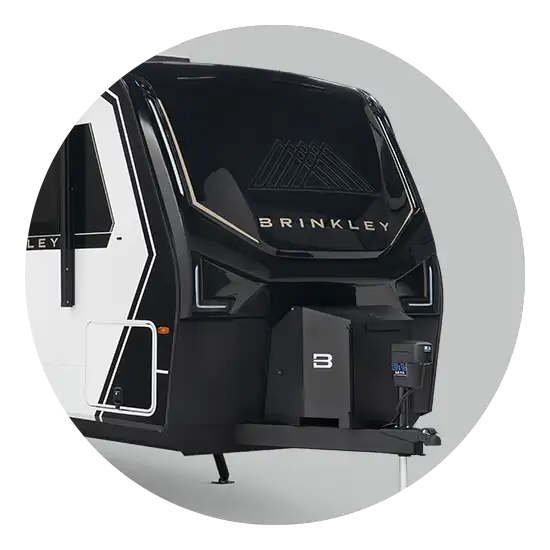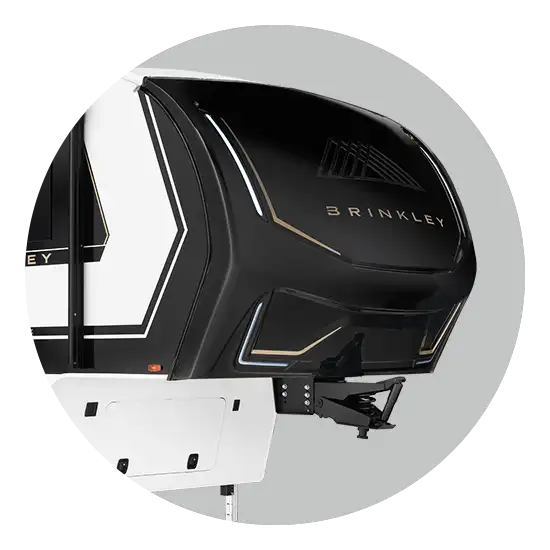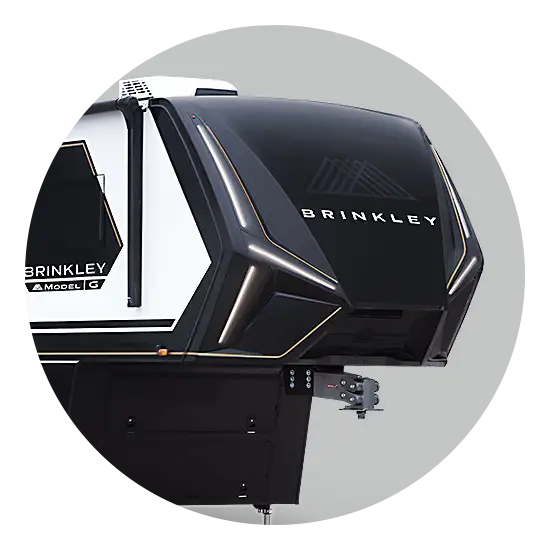
Choosing the right bumper pull toy hauler starts with understanding how you will travel, load, and camp. Global buyers need more than attractive floor plans and impressive photographs. They should examine hitch weight, gross vehicle weight rating, axle capacity, ramp strength, cargo dimensions, and sleeping arrangements. A practical trailer must match the towing vehicle, local road conditions, and available service support.
This guide reviews top bumper pull toy hauler trailers through a buyer-focused lens. It considers build quality, storage design, loading access, weather protection, interior comfort, and long-term maintenance. Details matter. A low ramp angle can simplify loading. Sealed compartments can protect helmets and tools from rain. Strong tie-down points can reduce movement during transport. These features often influence ownership more than decorative finishes.
International purchasing also requires careful verification. Buyers should confirm shipping measurements, electrical standards, warranty coverage, spare-part availability, and regional registration requirements. Manufacturer specifications are useful, but independent inspections remain valuable before payment or delivery. A brochure may not show every limitation. That matters.
No trailer fits every buyer.
Some models offer generous cargo space but limited living comfort. Others feel refined inside but carry less equipment. Personal expectations can also distort comparisons. Therefore, this introduction emphasizes balanced evaluation rather than a single universal winner. The following sections will help readers compare reliable bumper pull toy hauler options with clearer priorities, realistic budgets, and safer towing decisions.
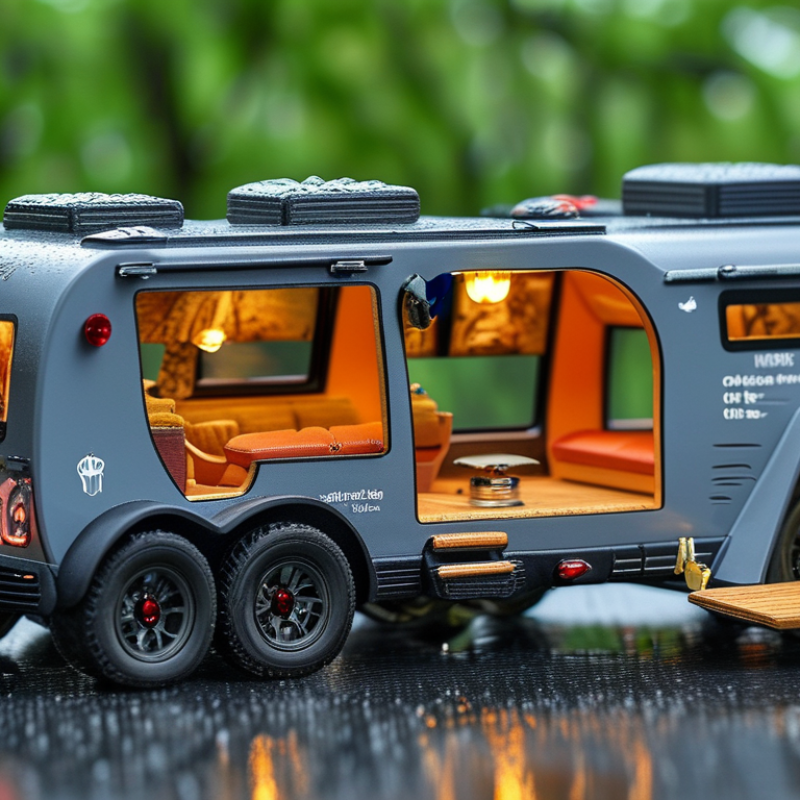
A bumper pull toy hauler trailer is defined by its rear cargo garage and conventional hitch connection. It attaches to a tow vehicle behind the rear axle. The garage usually includes a fold-down ramp, reinforced flooring, and tie-down points for recreational equipment. That layout matters.
The key measure is usable payload, not garage size alone. Payload must cover equipment, fuel-free accessories, water, luggage, and passengers. Buyers should compare the trailer’s gross vehicle weight rating with their vehicle’s rated towing and hitch capacities.
A balanced tongue weight helps reduce sway. Electric brakes, durable axles, proper tires, and visible load ratings also deserve careful inspection. In my experience, buyers often check the ramp first and overlook suspension clearance. That assumption is risky.
For global buyers, the definition includes practical compatibility with local roads and regulations. Confirm coupler dimensions, lighting, braking systems, overall width, and electrical specifications before purchase. Local certification may differ, even between neighboring countries. Check whether replacement tires, brake parts, and hitch components are available nearby.
Interior comfort also affects the design. A larger garage can reduce sleeping space, storage, or insulation. It is not perfect. The best choice balances cargo capacity, towing stability, weather protection, and repair access.
A careful inspection under the floor can reveal weak welds, water entry, or poorly protected wiring before they become expensive problems.

Top Bumper Pull Toy Hauler Trailers for Global Buyers
Key Layouts and Features for Gear-Focused Travel
A practical bumper pull toy hauler starts with a usable floor plan. The rear ramp should open wide and support easy loading. Strong tie-down points keep motorcycles, bicycles, or outdoor equipment steady during travel. A fold-away sofa creates extra cargo space without sacrificing sleeping comfort. I prefer layouts with a separate sleeping area. It keeps wet gear away from bedding.
Look for a compact kitchen near the entrance. This placement protects food preparation from muddy equipment. A small wet bath can save space, especially on longer journeys. Check the trailer’s unloaded weight, cargo rating, hitch limit, and exterior dimensions carefully. These figures affect towing safety and local road compatibility. Ventilation also matters. A roof fan, screened windows, and washable flooring help after dusty or rainy trips. In my experience, storage often matters more than decorative finishes. Still, I sometimes underestimate how quickly gear fills every cabinet.
Tips: Measure your largest equipment before choosing a layout. Leave room for helmets, tools, fuel-free camping supplies, and spare clothing. Ask for clear floor plans and verified weight data. Inspect ramp hinges, seals, suspension parts, and tie-down locations before purchase. Buyers in different climates should also check insulation, corrosion protection, electrical connections, and replacement-part access. A glossy interior may impress at first. It does not always improve daily travel.
Typical bumper-pull toy hauler layouts balance cargo-bay length with sleeping capacity. Compact layouts are easier to tow and suit motorcycles or compact recreational gear, while family and multi-sport layouts provide longer cargo areas, higher sleeping capacity, and more flexible garage-to-living-space conversion. Values represent common published specification ranges for non-branded bumper-pull toy haulers.
Choosing a bumper pull toy hauler begins with matching size to real cargo, not showroom appearance. The RV Industry Association’s 2024 Industry Profile estimates 11.2 million U.S. households owned an RV, showing strong demand for practical recreational transport. A compact trailer may offer easier storage, but its garage length can restrict motorcycles, tools, or water tanks. Measure the cargo first. Leave clearance around ramps and tie-down points.
Capacity requires more than the advertised sleeping number. Check GVWR, dry weight, cargo-carrying capacity, and each axle’s rating. Add fuel, batteries, water, passengers, tools, and personal equipment. The remaining payload should not be treated as fully usable. SAE J2807 provides a recognized framework for evaluating tow-vehicle performance, but local rating systems may differ. Compare the trailer’s loaded weight with the vehicle’s rated towing capacity, payload limit, hitch rating, and rear-axle capacity. A tall trailer also creates more aerodynamic resistance, especially on long highway routes.
Tips: Use a certified scale before international travel. Keep tongue weight near the manufacturer’s recommended range, often about 10–15% of loaded trailer weight. Confirm connector type, braking equipment, tire markings, and road-width limits for each destination. I once underestimated water weight; the trailer felt stable empty but strained when loaded. That mistake is easy to repeat. Allow a safety margin, even when the numbers appear acceptable.
Top Bumper Pull Toy Hauler Trailers for Global Buyers
Safety begins with matching the trailer to the tow vehicle, not with floor plans. Check the trailer’s gross vehicle weight rating, unloaded weight, cargo capacity, and tongue weight. A loaded toy hauler can shift dramatically when motorcycles, tools, fuel-free equipment, and water are added. The tow vehicle must support the combined rating, not only the trailer’s empty weight. The 2024 RV Industry Association Industry Profile reports about 11.2 million U.S. households own an RV, but ownership data does not confirm safe towing. Real-world loading still requires careful measurement.
Confirm the coupler size, ball height, axle rating, electric-brake system, breakaway device, and connector type. Standards differ between markets. A seven-pin connector may not match local wiring practices. Ask for dimensional drawings in millimeters, including ramp clearance and rear departure angle. Tire load ratings should exceed the expected axle load, with pressure checked cold. NHTSA’s 2023 Traffic Safety Facts recorded 40,901 roadway fatalities in the United States, reminding buyers that small equipment failures can have serious consequences.
I would also inspect welds, suspension fasteners, safety chains, lights, and floor seals before shipping. Photos are useful, but they can hide corrosion or poor alignment. Request independent inspection records when possible. I once underestimated ramp clearance; the trailer looked suitable, yet the rear edge contacted uneven ground. That mistake was avoidable. Recheck every assumption against local registration, braking, lighting, and import requirements.
A low advertised price rarely shows the complete cost. Check the trailer price, shipping, import duties, taxes, inspection fees, and local registration. Ask for a detailed quotation in writing. Confirm the gross vehicle weight, payload, hitch load, axle rating, and braking system. These figures must match your towing vehicle and local road rules. A practical inspection should include ramp hinges, tie-down points, tire dates, wiring, and floor strength. Small defects matter.
Regulations differ widely between countries and regions. Verify approved lighting, safety chains, reflectors, dimensions, emissions requirements, and maximum towing speed. Some authorities may require translated manuals or an independent inspection. Do not rely on a seller’s general statement that the trailer is “road legal.” Request test certificates and supporting documents. I once focused too heavily on layout and overlooked connector compatibility. That mistake could have delayed delivery.
Tips: Compare at least three landed-cost quotations. Ask how replacement parts are identified and shipped. Confirm warranty coverage, response times, and exclusions before payment. Reliable support should include clear manuals, wiring diagrams, parts lists, and video guidance. Check whether common items, such as brake assemblies and lights, are available locally. Keep every invoice and inspection record. Support can be promised beautifully, yet remain slow in practice. A written service process is safer than friendly messages alone.