Buying bm bags wholesale can strengthen your product range, but a low unit price alone does not make a sound deal. You need dependable quality, clear specifications, and stock that arrives when promised. The market is substantial: Grand View Research estimated the global handbag market at USD 56.8 billion in 2023 and projected continued growth through 2030. That figure covers handbags, not every type of bag, so treat it as context—not a forecast for your specific products.
Small details matter. Check stitching around the handles, zipper movement, lining, and how the bag holds its shape when packed. Ask suppliers for written material specifications, sample lead times, minimum order quantities, and a clear process for handling defects. A sample that looks good under showroom lights may behave differently after repeated use. Test it.
Wholesale sourcing expert quotations should be traceable to a real person and source. No expert name or supporting article was provided here, so attributing a quotation would risk inventing authority. A useful buying principle is simple: “Compare the full cost of a reliable reorder, not just the first unit price.” Use it as a practical reminder, not a published expert quotation. Before placing a large order, compare samples from several suppliers and calculate landed cost, including freight and packaging. Keep a written record of agreed colors, dimensions, and delivery dates. It takes extra time. It can also prevent an expensive mismatch.
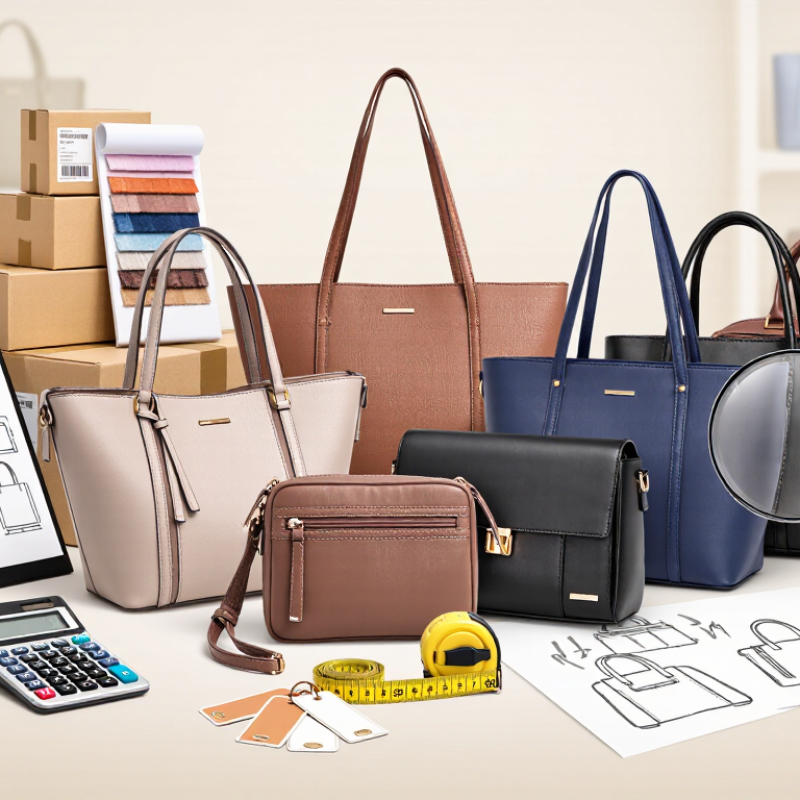
Before buying BM bags wholesale, define what your business needs and who is likely to buy them. Review recent sales, customer questions, and seasonal patterns rather than relying only on hopeful estimates. A shop serving commuters may need lightweight bags with secure closures. A travel retailer might need larger styles with sturdy handles. Write down target prices, preferred materials, colors, and expected reorder quantities. Be specific. Separate essential features from appealing extras, which can make a sample look more useful than it is.
Describe your target customers by their needs, not assumptions. Do they carry laptops, groceries, or only a phone and wallet? Ask a few regular customers what size, strap length, pockets, and price feel practical. Compare their feedback with your sales records. Then request samples and check stitching, zippers, lining, and comfort under a realistic load. One overlooked detail can matter. I may still misjudge demand, so a small trial order is often wiser than committing heavily before seeing customer response.
Tips: Create a simple customer profile and a one-page product checklist. Set a test budget before contacting suppliers. Track which styles receive questions and repeat purchases, not just likes. If feedback conflicts, pause and investigate; the pattern may be less clear than expected.
Before placing a BM bags wholesale order, verify the supplier’s legal business name, factory address, and production role. Ask whether they manufacture the bags or trade them, then request recent product photos and two buyer references. Check that names and addresses match across invoices, certificates, and business records. Paperwork can look tidy; production can still drift.
Ask for a pre-production sample. Inspect it in daylight: check stitching near handles, zipper movement, lining, odor, and color against your approved swatch. Small details matter. Request a written specification sheet covering materials, dimensions, tolerances, packaging, and defect limits. For larger orders, consider an independent factory audit or pre-shipment inspection. Keep payment milestones and delivery dates in writing. A video call helps, but it cannot replace physical checks.
Quality verification also has a commercial reason. The National Retail Federation’s 2024 Retail Returns Landscape report estimated that
16.9% of annual U.S. retail sales would be returned.
That figure covers retail broadly, not bags alone, yet it shows how costly product mismatches can become. Ask suppliers how they handle failed inspections, replacement units, and delayed shipments. Test a small order before scaling. It may slow the launch, and that is worth weighing against the cost of inconsistent stock.
When comparing BM bag suppliers, look beyond the price shown per unit. Ask for a written quote that separates product cost, packaging, shipping, and any setup fees. A low unit price can lose its appeal once freight or add-ons are included. Compare quotes using the same bag size, material, and order quantity.
Minimum order quantities can vary by color, design, and customization. Request the MOQ for each option, not just the supplier’s general minimum. If you are testing demand, ask whether a smaller sample order is available and what it costs. Small orders may carry a higher unit price. That trade-off is worth checking against the risk of holding unsold stock.
Read supplier terms carefully before paying a deposit. Confirm production time, payment stages, shipping method, and how defects or shortages are handled. Request material details and clear product photos, then keep approved specifications in writing. Terms can be vague. That matters. A supplier may quote a fast turnaround, but production schedules can shift; build in extra time rather than promising customers a date you cannot control. I would not choose on price alone. It is tempting, and easy to regret.
Before placing a wholesale order, inspect a physical sample under ordinary working conditions. Check zipper movement, seam strength, lining attachment, handle stitching, and whether the bag stands as expected. Measure the sample and compare it with the supplier’s specifications. Small differences can affect shelf presentation and customer expectations. Test the bag with a realistic load, too. A brief test may reveal loose threads or uncomfortable handles.
The 2024 Retail Returns Landscape report from the National Retail Federation and Happy Returns projected US merchandise returns of $890 billion, or 16.9% of annual retail sales. This figure covers retail broadly, not bags specifically, but it highlights why clear product checks matter. Ask for a written specification, defect policy, production timeline, minimum order quantity, and packaging details. If possible, approve a pre-production sample and keep one signed reference sample. Then confirm quantities, colors, unit prices, and delivery terms in writing. A checklist can still miss things. Review the first production batch before expanding the order, and record any mismatch with photos and measurements.
Wholesale bag buying works best when inventory is tied to real sales, not guesswork. Track each style, color, and size separately; a shelf of black totes can hide a shortage of the smaller crossbody bags customers actually request. Set a minimum stock level for popular options, then compare it with weekly sales and current supplier lead times. Keep it simple. A basic spreadsheet can record units received, units sold, damaged items, and remaining stock.
Plan repeat purchases before shelves look empty. Review sales every two to four weeks, and note seasonal shifts, customer questions, and slow-moving colors. When reordering, compare the latest figures with your previous order quantity and ask whether demand has truly changed. A forecast is still a guess. I would rather place a smaller test order for an uncertain style than tie up cash in boxes that sit untouched. Small tests help. Leave room in your budget for shipping delays or items that need inspection, and check sample quality against the delivered batch. Record what worked, including what did not; one missed detail can make the next order more accurate.