Why Choose the Right Battery Connector for Your Applications?
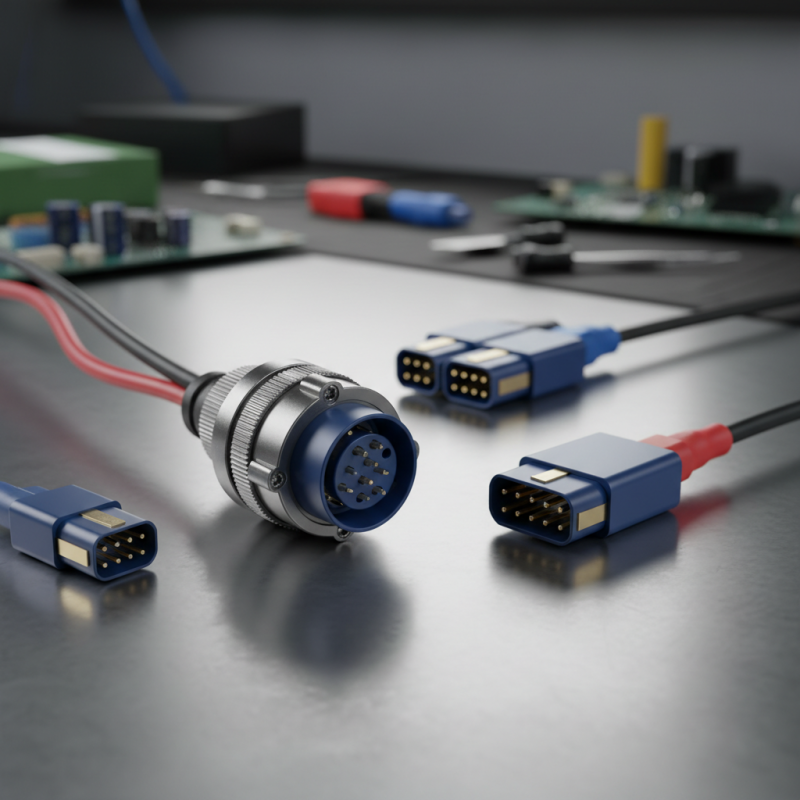
Choosing the right Battery Connector is essential for any application. A good connector ensures efficient power transfer and enhances device reliability. In various industries, battery connectors play a critical role. They must fit the specific energy requirements and environmental conditions.
Different types of battery connectors exist, each with unique features. For example, some connectors offer robust designs for rugged environments. Others may prioritize ease of assembly and maintenance. This diversity can be overwhelming.
Investing time to understand your needs is vital. Evaluate the specifications carefully. Mistakes in this selection can lead to inefficiencies. It might result in device failures. Hence, proper research and expert guidance become necessary. Selecting the appropriate battery connector can significantly impact performance. Make informed choices to ensure safety and longevity.
Understanding Battery Connectors: Definitions and Types
Battery connectors play a crucial role in various applications, ranging from consumer electronics to electric vehicles. Understanding the different types of battery connectors can significantly impact the efficiency and reliability of these systems. Typically, connectors come in three main categories: terminal connectors, blade connectors, and locking connectors. Each type serves distinct purposes and has its specifications. For instance, terminal connectors are commonly found in low-power applications, while locking connectors offer enhanced security, especially in high-vibration environments.
According to industry reports, the global battery connector market is expected to grow by approximately 12% annually through 2026. This growth is largely driven by the increasing demand for electric vehicles and renewable energy systems. However, the choice of connector should not be taken lightly. Issues such as heat dissipation, contact resistance, and mechanical wear can greatly influence performance. Inadequate connector selection may lead to safety hazards or system failures, emphasizing the need for thorough assessment during design.
Different applications have unique requirements for battery connectors. For instance, high-current applications necessitate connectors that can handle significant loads without overheating. It is also essential to consider environmental factors, such as exposure to moisture and extreme temperatures. Companies need to ensure that their selections comply with industry standards to avoid costly mistakes. Choosing the right battery connector is not just a technical choice; it's a strategic one that affects long-term performance and safety.
Factors to Consider When Choosing Battery Connectors
When selecting battery connectors, several key factors come into play. The size and type of the connector can significantly affect performance. It’s essential to consider the current rating, voltage level, and thermal performance of connectors for different applications. According to a report from TechNavio, nearly 45% of connector failures are due to mismatch in these parameters, leading to inefficient energy transfer and potential equipment damage.
Material choice is another critical aspect. Connectors made from high-quality metals like copper or gold provide better conductivity and durability. In contrast, inferior materials can lead to resistance and heat loss. A study by IPC reported that using substandard connectors can decrease efficiency by nearly 30%. Furthermore, ambient conditions such as moisture and dust must also be factored in; connectors exposed to harsh environments need additional protection features.
Safety considerations are paramount. Connectors should meet industry standards to avoid risks such as short circuits or overheating. A report from the IEC indicates that improper connector selection is responsible for about 25% of electrical failures in devices. Regular evaluations of connector performance can provide insights into potential weaknesses in design and application.
Recognizing the Importance of Compatibility and Safety
Choosing the right battery connector is crucial for both compatibility and safety in various applications. Compatibility ensures that the connectors fit well with the battery type and device design. An improperly matched connector can lead to connection failures, increasing the risk of short circuits. It's essential to consider the specific requirements of your device. Each application has unique needs.
Safety should never be overlooked. Poor-quality connectors can lead to overheating or even fires. Inspecting connectors for wear and tear is vital. A minor flaw could compromise safety. Regular maintenance checks can help identify potential issues early. Additionally, using connectors that are rated for the specific voltage and current requirements is necessary to prevent dangerous situations.
However, not every manufacturer adheres to high standards. This can complicate the selection process. Relying on unknown resources might lead to poor choices. Research and knowledge are essential when selecting battery connectors. Gathering information from reliable sources will guide you in making informed decisions. Consider using well-documented guidelines for choosing the right connectors for your needs. Often, learning from past mistakes helps refine the selection process.
Battery Connector Types and Their Applications
Comparing Performance: Different Battery Connector Materials
When selecting battery connectors, material choice plays a crucial role in performance. Common materials include copper, aluminum, and various alloys. Each carries unique benefits and drawbacks. Copper, for example, offers excellent conductivity and durability. However, it can be more expensive and prone to corrosion without proper treatment. On the other hand, aluminum is lightweight and cost-effective but may have inferior conductivity compared to copper.
The design of the connector also impacts its effectiveness. A poorly designed connector can lead to increased resistance, generating heat and reducing efficiency. Connections that are too tight can cause wear, while loose connections can lead to failures. It's essential to balance these factors when designing or choosing connectors for specific applications.
Material selection extends beyond just conductivity; resistance to environmental factors is key. Certain materials perform better in harsh conditions. For example, alloys may withstand UV exposure and moisture better than pure metals. Evaluating the environment where the connector will be used can prevent future issues. This reflection can enhance the reliability of your battery systems.
Applications of Battery Connectors Across Various Industries
Battery connectors play a crucial role in various industries, ensuring efficient power transfer. In automotive applications, connectors must withstand vibrations and extreme temperatures. Proper selection affects performance and safety. High-quality connectors enhance battery life and minimize maintenance needs.
In renewable energy, battery connectors are vital for solar and wind power systems. They allow quick assembly and disassembly. A poor choice can lead to energy loss and system failures. With increasing reliance on lithium-ion batteries, the right connectors are more vital than ever.
Medical devices rely on reliable battery connections for life-saving equipment. Defective connectors can compromise patient safety. The challenge lies in balancing durability with compact size. As technology advances, the need for more innovative solutions grows. Understanding specific applications is essential for making informed decisions.
Why Choose the Right Battery Connector for Your Applications? - Applications of Battery Connectors Across Various Industries
| Industry | Application | Type of Battery Connector | Key Features |
| Automotive | Electric Vehicles | Anderson Connectors | High current capacity, locking mechanism |
| Consumer Electronics | Mobile Phones | Micro USB Connectors | Compact size, reversible design |
| Renewable Energy | Solar Power Systems | MC4 Connectors | Weatherproof, easy to connect/disconnect |
| Telecommunications | Backup Power Systems | Ring Terminal Connectors | Durable, secure connection |
| Aerospace | Aircraft Systems | Circular Connectors | High reliability, resistant to environmental stress |