How to Choose the Best Red Light Therapy Mat for Your Needs?
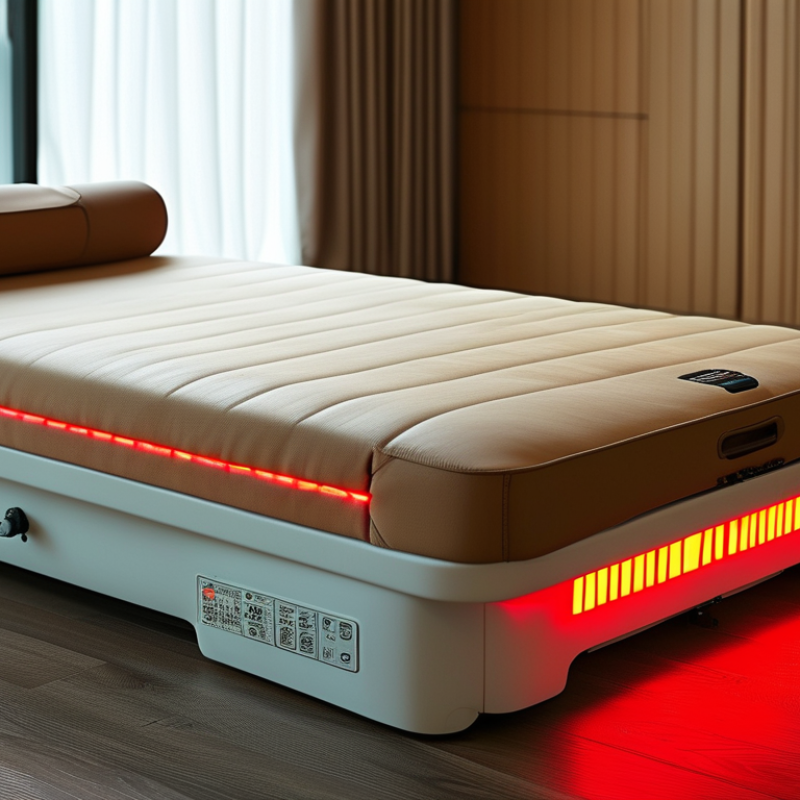
Choosing the right Red Light Therapy Mat can greatly enhance your wellness routine. These mats utilize specific wavelengths of light to promote healing and relaxation. With various options available, it’s essential to understand your individual needs.
Not all mats are created equal. Factors like light intensity, wavelength, and size matter. You may find a high-quality mat that fits your budget, but it’s crucial to consider where you will use it. Is it for home use or travel? Ask yourself if portability is essential.
Many users report experiencing improved pain relief and better skin health with consistent use. However, results can vary based on individual conditions and expectations. Reflect on your goals before making a decision. Whether you seek deeper healing or simply relaxation, the right Red Light Therapy Mat can make a difference.
Understanding Red Light Therapy: Benefits and Applications
Red light therapy (RLT) has gained popularity for its various health benefits, including pain relief and skin rejuvenation. This non-invasive treatment uses specific wavelengths of light to stimulate cellular function. Research shows that RLT can enhance collagen production, leading to improved skin elasticity and reduced wrinkles. A study published in the Journal of Clinical and Aesthetic Dermatology found that RLT significantly boosts collagen levels in skin fibroblasts after just a few sessions.
Beyond aesthetics, RLT is being explored for muscle recovery and pain management. A systematic review in the Journal of Pain Research indicated that RLT effectively reduces chronic pain and inflammation. Athletes and individuals recovering from injuries may benefit from its ability to promote healing at the cellular level. However, responses to RLT can vary significantly among individuals, highlighting the need for personalized approaches.
Despite its promising effects, some skepticism remains. The equipment used can impact treatment outcomes, and not all devices are created equally. It’s essential to choose quality products that meet safety standards. Consulting with a healthcare professional can provide guidance tailored to your specific needs. Understanding these factors can help you make an informed decision about incorporating red light therapy into your wellness routine.
Understanding Red Light Therapy: Benefits and Applications
Key Features to Look for in a Red Light Therapy Mat
When choosing a red light therapy mat, it's essential to consider the key features that align with your specific needs. The wavelength of the light emitted plays a significant role. Look for mats that offer wavelengths between 600 to 900 nanometers. This range effectively penetrates the skin and reaches deeper tissues.
Another vital factor is the mat's size. Larger mats provide more coverage, which can be beneficial for targeting multiple areas of the body. However, portability may be an issue with larger options. Weight and ease of storage can also influence your decision. Many users prefer mats that are light enough to move easily yet durable for long-term use.
The power output, measured in watts, is crucial as well. Higher wattage means more effective treatment in less time. Make sure to check the power density specified in square centimeters. Safety features should never be overlooked. Look for mats with temperature controls or timers to prevent overheating. It's not uncommon for users to have reservations about the effectiveness of these products, reminding us to approach claims with cautious skepticism. Selecting the right therapy mat is a thoughtful process that benefits from careful consideration and research.
Evaluating the Size and Portability of Red Light Therapy Mats
When selecting a red light therapy mat, size and portability are crucial factors. Consider where you plan to use the mat. A larger mat can cover more body areas at once, but it may be cumbersome for storage and transport. If you travel often or have limited space, a compact mat might be more suitable.
Portability also depends on the weight and design of the mat. Thinner mats are usually lighter and easier to pack. However, remember that thickness can contribute to the durability of the product. You want a mat that is both sturdy and lightweight. Think about how often you will carry it around. A convenient carrying case can also enhance the portability.
While larger mats provide broader coverage, they can be challenging to fit in small spaces. Smaller mats, on the other hand, might require more specific positioning for effective treatment. Balancing coverage and convenience is essential. Ultimately, consider your lifestyle and therapy goals when making your choice. This will ensure you select a mat that truly meets your needs.
Comparing Different Brands and Models of Red Light Therapy Mats
When comparing different brands and models of red light therapy mats, it’s essential to examine key features and specifications. Look for wavelength options, as some mats focus on specific light wavelengths that target certain conditions. Consider the power output, usually measured in milliwatts. Higher power often means better penetration and effectiveness.
Price can also be a deciding factor. Some mats are expensive due to advanced technology or extra features. However, this doesn’t always guarantee better results. Check user reviews and testimonials to gauge effectiveness and customer satisfaction.
Material quality is important too. A mat may feel soft, but durability matters. Mats exposed to heat and light should maintain their integrity over time. Additionally, think about size and portability. A full-length mat may offer comprehensive coverage, while a smaller version could be more convenient for travel. Balancing these elements can lead to a more informed choice that meets your specific needs.
Budget Considerations: Finding a Mat that Fits Your Needs
When selecting a red light therapy mat, budget plays a crucial role. Prices can vary widely, so it’s essential to analyze what’s available within your price range. A low-cost mat might lack power. Higher-priced options often offer more features, like adjustable settings or better light coverage. Knowing what you can afford helps narrow down choices.
Consider the quality of materials used in the mat. Cheaper materials may not provide the same safety or durability. Look for user reviews and expert opinions to determine reliability. Be wary of sales tactics that push you towards overpriced models. You need a balance of effectiveness and cost.
Think about how often you will use the mat. If it's a daily routine, investing in a better-quality product may be wise. However, if you’re unsure about long-term use, a less expensive option might be prudent. Reflect on your needs deeply, and don't rush into a purchase. It’s important to choose wisely.
How to Choose the Best Red Light Therapy Mat for Your Needs? - Budget Considerations: Finding a Mat that Fits Your Needs
| Feature | Description | Price Range | Recommended Usage |
| Size | Portable and covers larger body areas | $100 - $300 | Home use, travel |
| Light Wavelength | Commonly uses 660nm and 850nm wavelengths | $70 - $250 | Targeted therapy for pain, skin health |
| Power Output | Measured in mW/cm²; higher outputs are more effective | $150 - $400 | Intensive therapy sessions |
| Durability | Material quality affects longevity and usage | $90 - $350 | Frequent use, long-term investment |
| Additional Features | Remote control, timers, built-in programs | $120 - $500 | Enhanced convenience, user experience |