How to Choose the Best Padel Training Machine for Your Needs?
Choosing the right Padel training machine can greatly enhance your skills. With the increasing popularity of padel, the demand for effective training tools has surged. However, not all machines are created equal. Understanding your unique needs is crucial.
A quality Padel training machine can simulate different shots and improve your reaction time. Different models offer various features, which can be tricky. Navigating options like ball speed, angle, and feeding frequency is essential. Many users struggle to find a balance between price and functionality.
Consider your skill level and training goals. Beginners may prefer a basic, user-friendly option. Advanced players might seek machines with advanced features. Reflect on what you truly need. A well-chosen Padel training machine can significantly boost your game, but making the right decision requires careful thought.
Understanding Your Padel Training Goals and Requirements
Understanding your padel training goals and requirements is crucial when selecting a training machine. Reflect on areas you wish to improve. Are you focusing on your speed, accuracy, or shot variation? Each goal necessitates different features in a training machine. For example, if accuracy is your goal, look for machines that can simulate specific shot placements.
Consider your current skill level. Beginners might prefer machines that offer a simple user interface and customizable settings. Advanced players often seek features like ball speed adjustment and trajectory control. Reflect on these aspects to ensure the machine meets your needs. It’s vital to evaluate your training environment as well. A compact model may fit better in a small space, but larger machines often offer more features.
Evaluating your budget is equally important. High-quality machines come at various price points. A more expensive machine might provide advanced features, yet those on a budget can find reliable options too. It’s essential to weigh the benefits of each model against your personal training objectives. This thoughtful approach can lead to a more effective training routine.
Comparison of Padel Training Machine Features
Types of Padel Training Machines Available on the Market
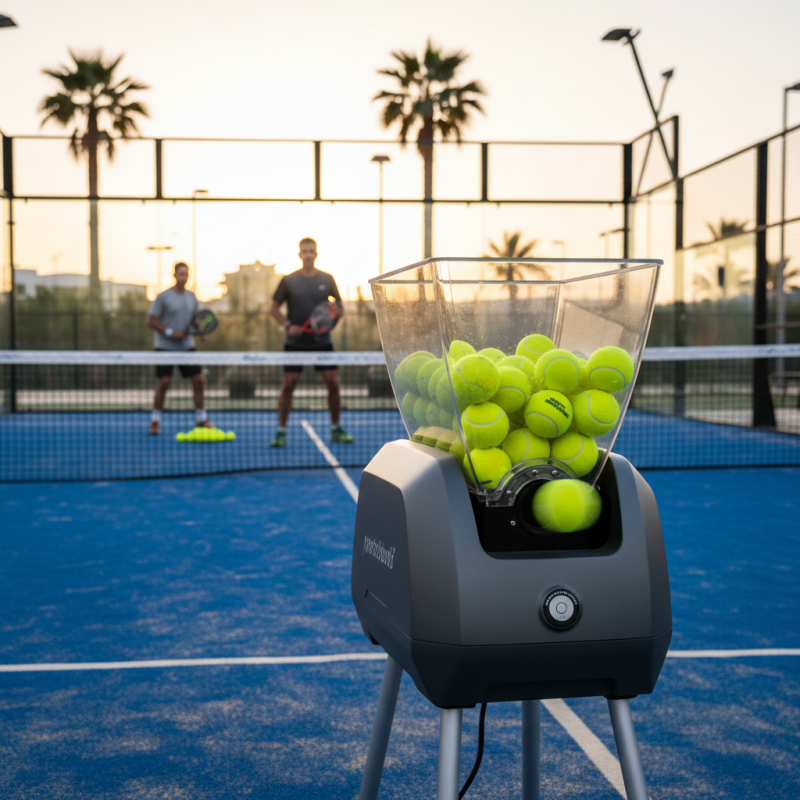
When looking for a suitable padel training machine, it's essential to explore the different types available. One popular option is the ball thrower, which simulates real-game scenarios. These machines can help players practice their strokes and improve reflexes. Some models allow for speed and angle adjustments. This makes them versatile and suitable for various skill levels.
Another type is the automated ball feeder. These devices can operate over extended periods and are great for repetitive practice sessions. They often allow players to focus on specific techniques. However, they may lack the variety of shots that a human partner can provide. This limitation can be something to consider when deciding on a training machine.
Lastly, there are advanced models that offer tracking systems. These systems provide feedback on accuracy and power. While they can be effective for serious players, the price point often reflects their advanced features. Experimenting with various machines may lead to a better understanding of your training needs. The perfect machine should cater to your unique playing style. Each option comes with its strengths and weaknesses, so reflect on what you truly require.
Key Features to Look for in a Padel Training Machine
When selecting a padel training machine, several key features are vital. Look for adjustable speed settings. This allows players to practice at different intensities. Many training machines offer varying speeds from 10 to 50 km/h. A study found athletes improve their reaction time by 20% when practicing with adjustable speeds.
Another crucial feature is the angle of ball release. Machines that provide diverse angles help simulate actual match scenarios. Players should focus on machines with a multi-angle setting. This can enhance their ability to adapt during real-game situations. Data shows that exercise variety can lead to a 30% increase in skill retention over time.
Portability is also important, especially for individuals with limited space. A lightweight machine is easier to transport. This is essential for players who train at different locations. However, many portable models compromise on power. Reflect on your specific needs. Examine if a compact lack of features is worth the convenience.
Evaluating Price vs. Performance for Your Budget
When considering a padel training machine, evaluating price versus performance is crucial. High-end models often come with advanced features. They may include programmable drills or automatic ball feeding systems. However, these features can inflate the price significantly. A report from SportTech Insights suggests that machines priced between $500 to $1,000 typically offer a good balance of performance and affordability. Yet, the cheapest option may not meet your long-term training needs.
Finding the right machine requires scrutinizing performance metrics. Think about ball speed, frequency, and spin variations. A study by the International Padel Federation highlights that training with varied ball placements can improve player performance by up to 30%. Not considering these factors could lead to purchasing an inefficient machine. Moreover, some machines are heavy and difficult to set up, making them less appealing for regular use.
It's wise to seek out user reviews and expert opinions. Such insights can expose both strengths and weaknesses of different models. While one machine may excel in features, it could lack durability or ease of transport. Weighing all of this against your budget will guide you toward a machine that fulfills your specific training needs without unnecessary overspending.
Tips for Maintaining and Using Your Padel Training Machine Effectively
Maintaining and using your padel training machine effectively can significantly enhance your practice sessions. Regular upkeep is essential. A study by the International Padel Federation shows that well-maintained equipment improves performance by up to 15%. Check for any loose parts or wear and tear. Clean the machine after each use to prevent dirt buildup, which can affect its functionality.
Using the machine correctly is crucial for maximizing benefits. Set the machine to different speeds and angles to simulate various match situations. Adjusting these settings keeps your practice engaging and adaptable. A report from Sports Tech Research indicates that varied training leads to better skill retention. Pay attention to your technique. Regular self-assessment can help you identify areas that need improvement, ensuring you make the most of your training sessions.
It's important to reflect on your practices. Are you pushing your limits or falling into a comfort zone? Sometimes, it’s easy to overlook how minor adjustments can lead to better results. Consistency is key. Establish a routine that allows for both practice and reflection. This dual approach can help you enhance your performance on the court significantly.
How to Choose the Best Padel Training Machine for Your Needs?
| Feature | Importance Level | Recommended Frequency of Maintenance | User Experience Tips |
| Durability | High | Monthly check | Ensure regular inspection to avoid unexpected failures. |
| Portability | Medium | As needed | Choose a model that is easy to move for convenience. |
| Ball Speed Adjustment | High | Before each use | Adjust speed according to the skill level of players. |
| Ball Capacity | Medium | Weekly check | Keep it adequately filled to avoid interruptions during practice. |
| Ease of Use | High | Before each use | Familiarize yourself with controls for efficient operation. |