Essential Tips for Choosing the Right Rail Transfer Cart?
Choosing the right Rail Transfer Cart involves critical considerations that can impact operational efficiency. According to a recent industry report from the Material Handling Industry Association, over 30% of companies report inefficiencies linked to improper cart selection. Expert James M. Carter, a leading figure in rail logistics, states, "Selecting a suitable Rail Transfer Cart can significantly optimize workflow and reduce costs."
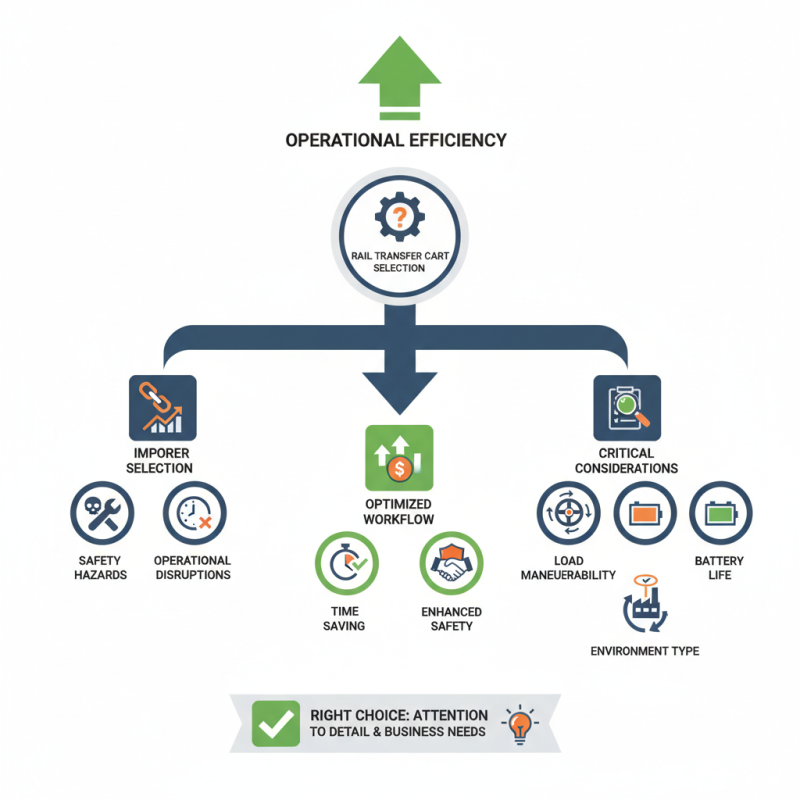
In the context of modern manufacturing and logistics, the importance of selecting the correct Rail Transfer Cart cannot be overstated. These carts not only transport materials but also save time and enhance safety. An incorrect choice can result in safety hazards and operational disruptions. For instance, a cart mismatched to payload needs can lead to mechanical failures and even accidents. Such issues highlight the necessity of thorough evaluation.
Various specifications must be analyzed before making a decision. Factors such as load capacity, maneuverability, and battery life are crucial. Additionally, companies should consider the type of environment where the cart will be used. The wrong Rail Transfer Cart can lead to significant repairs and lost productivity. The right choice requires attention to detail and an understanding of the unique requirements of your business.
Factors to Consider When Choosing a Rail Transfer Cart
When selecting a rail transfer cart, various factors play a crucial role in ensuring optimal performance. Weight capacity is essential. In industrial settings, the average load capacity for a rail transfer cart is around 20 tons. An inadequate load capacity could lead to equipment failure and increased maintenance costs. Always verify that the cart meets your specific needs.
The track layout is another critical consideration. A well-planned layout ensures smooth operations. Inspect the rail gauge and curvature. Data shows that poor track conditions contribute to 30% of equipment downtime. Regular maintenance on both the cart and rails can significantly reduce interruptions in workflow.
Power options must also align with your operational demands. Many rail transfer carts are available in manual, electric, or battery-operated models. Electric carts typically offer improved efficiency. However, the initial investment can be higher. Understanding your operational needs in terms of power requirements can help in making the right choice, even if it requires more upfront thought and planning.
Types of Rail Transfer Carts Available in the Market
When selecting rail transfer carts, understanding the available types is crucial. Several options cater to various industrial needs. The most common types include electric rail transfer carts, towable carts, and heavy-duty carts. Each type serves distinct purposes based on load capacity and mobility requirements.
According to industry reports, electric rail transfer carts account for over 50% of market sales. These carts are powered by batteries, enabling them to transport heavy loads with ease. They can move loads up to 100 tons across flat surfaces. In contrast, towable carts are designed for smaller operations. They offer flexibility in transporting items without the need for heavy equipment.
Heavy-duty rail transfer carts provide unmatched durability. Designed specifically for harsh environments, they can withstand extreme conditions. Reports indicate that these carts can carry loads exceeding 200 tons. This makes them ideal for industries like steel manufacturing and construction. However, one must consider the specific applications and weights to avoid overloading. Careful assessment is necessary to ensure optimal performance and longevity of the equipment.
Key Features to Look for in a Rail Transfer Cart
When selecting the right rail transfer cart, key features are essential for ensuring efficiency. One crucial aspect is the load capacity. Choose a cart that can accommodate your heaviest items comfortably. Insufficient capacity can lead to safety risks or damage. Another important feature is the power source. Options range from manual to battery-operated carts. Assess your operational environment to determine which source is most suitable.
Durability is also vital. Look for carts made from high-quality materials that resist wear and tear. A sturdy build will ensure long-term reliability. Consider the wheel design too. Carts with solid wheels are better for uneven surfaces, while those with swivel wheels offer greater maneuverability.
Finally, think about maintenance needs. Some carts require more upkeep than others. Understanding this can save time and effort in the long run. Always reflect on your specific operational needs. Not every feature will align with your requirements. Prioritize according to your workflow for optimal performance.
Safety Considerations for Rail Transfer Carts
When selecting a rail transfer cart, safety considerations are paramount. These vehicles often transport heavy loads, making stability and durability essential. Look for features like anti-slip surfaces and safety barriers. A well-designed cart minimizes the risk of accidents.
Evaluate the braking system closely. Effective brakes can prevent runaway carts and protect operators. Regular maintenance helps ensure that the brakes function correctly. A cart with a clearly marked load capacity helps prevent overloading. Always follow manufacturer guidelines to maintain safety standards.
Another aspect is the operator's training. Even the best equipment can be dangerous in untrained hands. Regular safety drills can enhance awareness of potential hazards. Consider implementing safety protocols for real-time monitoring. Reflecting on accidents or near-misses can guide future improvements. Always prioritize creating a safe working environment for everyone involved.
Budgeting for Your Rail Transfer Cart Purchase
When budgeting for your rail transfer cart, it's crucial to assess your operational needs. Consider the cart's capacity, the types of materials you'll transport, and the distance it will cover. Understanding these factors helps you avoid overspending or, conversely, underestimating your requirements.
Costs can vary significantly depending on the specifications of the cart. While it might be tempting to choose the cheapest option, remember that quality and durability often come at a higher price. Cheap carts may require frequent repairs, leading to unexpected expenses. Investing in a reliable cart can be more economical in the long run.
Don't forget to factor in maintenance costs. Regular upkeep is essential for ensuring longevity. Additionally, think about any necessary modifications to accommodate the cart. This can impact your overall budget as well. Reflect on your long-term needs and how they align with your current budget. Building a comprehensive financial plan will aid in making a more informed decision.