How to Choose the Best RV Camper?
Choosing the best RV camper begins with an honest picture of how you travel. Will you take weekend trips to nearby campgrounds, cross long stretches of highway, or stay in one place for weeks? The right choice depends on those habits, not just a glossy floor plan. RV educator Mark Polk’s buyer-focused guidance can be paraphrased simply: choose for the trips you actually take, not the vacation you only imagine.
Start with the practical details. Count your regular passengers, check the tow vehicle’s capacity if you plan to tow, and consider where the camper will be parked. A roomy kitchen may look appealing, but it matters less if narrow roads or tight storage make every trip stressful. Walk through the layout, open the cabinets, and picture rainy mornings inside. Small details matter.
Then compare weight, sleeping space, storage, insulation, and maintenance needs. Ask how the unit handles your usual climate, and inspect seals, appliances, and visible wear before buying. A professional inspection can reveal issues that a quick showroom visit will miss. New does not always mean effortless. Used does not always mean a bargain.
There is no perfect model for everyone. A compact travel trailer may suit a couple who values easy towing, while a larger motorhome may better fit frequent, extended travel. Be candid about your budget and repair comfort. Even careful buyers can misjudge what feels spacious after several days on the road. Use this guide to compare options, test assumptions, and find an RV camper that fits your real life—not just the brochure.
Define Your RV Needs in a U.S. Market With 333,733 RV Shipments in 2024 (RVIA)
Choosing an RV starts with your real travel habits, not a floor plan photo. The RV Industry Association reported 333,733 U.S. RV shipments in 2024 in its year-end shipment report. These are manufacturer shipments, not retail sales or proof that every RV suits every traveler. The number is useful. It signals a broad market, so narrow your choices by trip length, passenger count, storage, and where you plan to camp.
Tips: Write down who travels with you, what must fit, and how often you will move campsites. If you tow, compare the RV’s loaded weight with your vehicle’s rated towing capacity. Check payload and tongue-weight limits in the vehicle manual, too. A trailer that fits the advertised limit may leave little room for people, water, food, and gear. Measure your driveway and typical campsite before deciding.
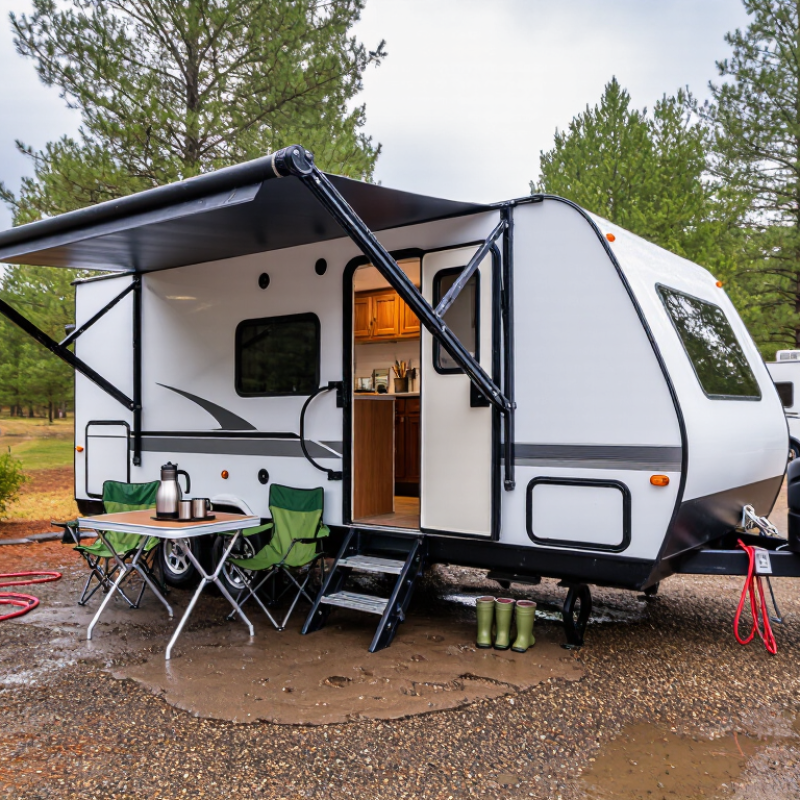
Think through a rainy weekend, not just a sunny showroom visit. Do you need a separate sleeping area, a usable kitchen, or space for wet jackets? Larger layouts can feel comfortable, but they may complicate parking and fuel planning. I would be cautious about choosing extra room “just in case”; that can become weight and upkeep you rarely use. List your non-negotiables, then test them against your budget, tow setup, and likely routes.
How to Choose the Best RV Camper?
Define your RV needs in a U.S. market with 333,733 RV shipments in 2024.
U.S. RV shipments rose from 313,174 in 2023 to 333,733 in 2024, following 493,268 shipments in 2022. These totals show the scale and changing pace of the market; the right camper for you depends on factors such as travel style, sleeping capacity, storage, and tow-vehicle limits. Source: RV Industry Association (RVIA).
Match Trailer Weight to Your Tow Vehicle’s GVWR, GCWR, and Payload
How to Choose the Best RV Camper?
Match Trailer Weight to Your Tow Vehicle’s GVWR, GCWR, and Payload
A trailer’s advertised dry weight is not its travel-ready weight. Water, food, batteries, and camping gear add pounds quickly. The RV Industry Association’s 2023 shipment report recorded 313,174 RV shipments, reflecting the scale of a market where tow matching matters. Check your vehicle’s door-jamb payload label and owner’s manual, not just a sales listing. GVWR limits the loaded tow vehicle; GCWR limits the vehicle and trailer combined. SAE J2807 provides a standardized method for establishing tow ratings, but your vehicle’s own limits still apply.
Consider a vehicle with 1,400 pounds of payload. Two adults and luggage use 550 pounds; a 700-pound loaded trailer tongue leaves just 150 pounds. That remaining capacity must also cover accessories and anything else in the vehicle. Tongue weight commonly falls around 10–15% of a conventional trailer’s loaded weight, but check the trailer maker’s guidance. A hitch can have its own lower ratings, too. Numbers matter. Weigh the fully loaded rig when possible, and stay within every rating.
Tips: Add passengers, cargo, and hitch equipment before comparing payload. Verify the trailer’s loaded weight, not merely its dry figure. Check axle and tire limits as well. A little margin is wise; I’d recheck the math after packing, because estimates are easy to get wrong.
How to Choose the Best RV Camper? - Match Trailer Weight to Your Tow Vehicle’s GVWR, GCWR, and Payload
| Illustrative Tow-Vehicle Setup |
Vehicle GVWR |
Estimated Curb Weight |
Payload Rating |
Vehicle GCWR |
Maximum Trailer Rating |
People and Cargo Added |
Estimated Tongue Weight |
Loaded Trailer Weight |
Estimated Combined Weight |
Assessment |
| Compact SUV example |
6,000 lb |
4,500 lb |
1,500 lb |
10,000 lb |
5,000 lb |
500 lb |
600 lb (12.5%) |
4,800 lb |
10,400 lb |
Exceeds GCWR by 400 lb. Payload and trailer rating are within limits, but this combination is not within the stated GCWR. |
| Half-ton pickup example |
7,000 lb |
5,500 lb |
1,500 lb |
15,000 lb |
9,000 lb |
500 lb |
900 lb (12%) |
7,500 lb |
14,400 lb |
Within the listed limits, with 100 lb of payload and 600 lb of GCWR remaining. Weigh the loaded vehicle and trailer to confirm. |
| Heavy-duty pickup example |
10,000 lb |
7,000 lb |
3,000 lb |
20,000 lb |
12,000 lb |
800 lb |
1,200 lb (12%) |
10,000 lb |
19,000 lb |
Within the listed limits, with 1,000 lb of payload and 1,000 lb of GCWR remaining. Confirm axle, tire, hitch, and actual scale weights. |
How to read the figures: Payload is the difference between GVWR and curb weight. Tongue weight, passengers, cargo, and installed accessories all count against payload. Estimated combined weight is calculated as curb weight + people and cargo + tongue weight + loaded trailer weight.
Important: These are illustrative planning examples, not specifications for a particular vehicle. Check the vehicle’s certification label, owner’s manual, hitch rating, and axle and tire ratings. Use actual loaded scale weights; the lowest applicable rating is the limit. A conventional travel trailer’s tongue weight is commonly planned at about 10–15% of its loaded weight, subject to the trailer and hitch manufacturer’s guidance.
Compare RV Classes, Floorplans, and Sleeping Capacity for Your Travel Group
Choosing an RV camper starts with the people traveling, not the advertised number of beds. Class A models often offer broad living areas and several sleeping zones, but their size can feel challenging on narrow roads. Class C campers usually balance maneuverability with a separate over-cab bed. Class B vans are easier to park, though their compact layouts may require daily conversion of seats or tables. Numbers can mislead.
Compare floorplans with your group’s actual routine. Can someone reach the bathroom while another person is making breakfast? Is there a bed for a child that does not block the aisle? Measure sleeping surfaces, since a listed bed may be shorter than a standard mattress. Also check how many passengers can legally travel in belted seats; sleeping capacity and seat-belt capacity are not the same. A dinette conversion may work for occasional trips, yet feel tiresome every night. I would leave some room for doubt when reading floorplan diagrams: they rarely show clutter, wet shoes, or a rainy afternoon indoors. Before choosing, picture where bags, coats, and food will go, then match the layout to your group’s ages, privacy needs, and travel habits.
Check RVIA Certification, Warranty Coverage, and Local Service Before Buying
An RV camper is a home on wheels, so check the paperwork as carefully as the floor plan. The RV Industry Association reported 333,733 wholesale RV shipments in 2024, up from 313,174 in 2023. That busy market offers choices, but a seal is not a quality guarantee. Look for a current RVIA seal and confirm the specific unit’s certification. RVIA says its inspection program checks member-built RVs for compliance with applicable NFPA 1192 or ANSI A119.5 standards. Ask what the inspection covers, and still examine seams, plumbing, wiring, and appliances yourself.
Read the warranty before paying a deposit. Check its duration, covered components, exclusions, claim deadlines, and whether labor and travel are included. A short warranty summary may leave out the costly details. Call a nearby authorized service center with the camper’s make and model, then ask about appointment wait times and warranty repairs. A repair shop an hour away can become a real burden when a leak appears during a trip.
Tips: Get the warranty and service answers in writing. Photograph the RVIA label and save the inspection report. Ask the service center how it handles parts delays. It may feel awkward to ask. Ask anyway.