7 Tips to Choose Custom Cellophane Self Adhesive Labels

Clear packaging can look polished, but a label that lifts at the edge quickly draws attention. Choosing custom cellophane self adhesive labels means balancing appearance with how the package will be handled, stored, and displayed. A jar chilled overnight, a bottle touched with damp hands, and a dry carton each place different demands on an adhesive. Small details matter.

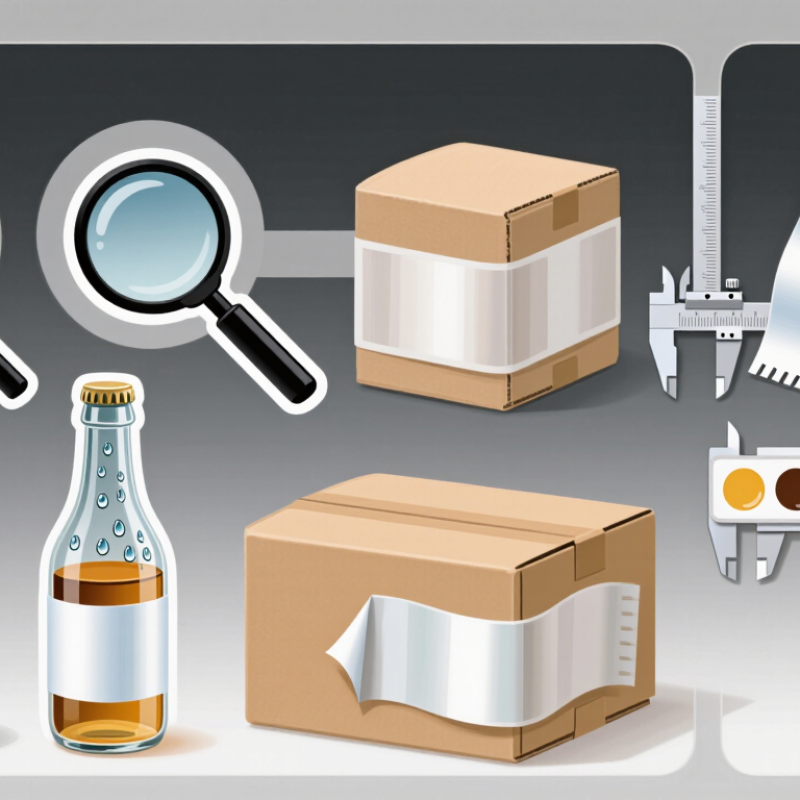
This guide outlines seven practical points to check before ordering, including film clarity, adhesive strength, label shape, print quality, and surface compatibility. Start with the actual container, not just a digital mockup. Note its curves, seams, texture, and exposure to moisture or heat. Then request a sample and apply it to a clean surface under realistic conditions. Wait and inspect the corners. Does the label wrinkle, cloud, or peel? Those simple checks can reveal problems that a screen preview cannot.

A transparent label may help product graphics remain visible, but it will not suit every design. Fine text, pale ink, and busy backgrounds can become difficult to read through clear film. That trade-off is easy to overlook. It is also worth confirming how the supplier handles print proofs, material specifications, and repeat orders. Ask specific questions, and keep the answers for comparison. No single material or adhesive is ideal for every package, so treat recommendations as a starting point rather than a guarantee. Careful testing may take extra time, but it can prevent a costly batch from looking wrong on the shelf.
7 Tips to Choose Custom Cellophane Self Adhesive Labels

Understanding Custom Cellophane Self-Adhesive Labels

Understanding Custom Cellophane Self-Adhesive Labels

Custom cellophane self-adhesive labels use a thin, transparent film with a pressure-sensitive adhesive. Their clear surface lets the container show through, creating a “no-label” look on glass jars, bottles, and smooth cartons. In practice, clarity depends on more than the film: bubbles, dust, and uneven application can make the label obvious. Test the label on the actual container, not just a sample sheet.

Material choice matters. Cellophane is regenerated cellulose, but coatings and adhesives can affect its moisture resistance and end-of-life options. Do not assume every cellophane label is compostable. Smithers’ The Future of Labels and Release Liners to 2028 estimates the global labels market at about $45.8 billion in 2023, reflecting broad demand across packaging formats—not a guarantee that every label material suits every product. The U.S. Environmental Protection Agency’s 2018 waste report counted 82.2 million tons of containers and packaging in municipal solid waste, or 28.1% of the total. That makes disposal worth considering early. Ask suppliers for substrate and adhesive specifications, then test adhesion after exposure to moisture, refrigeration, and handling. A label that looks perfect dry may wrinkle or lift when chilled. Small details matter.

Choosing the Right Cellophane Material and Finish

Cellophane labels use a cellulose-based film, and the right grade depends on the product and its surroundings. For clear packaging, transparent film lets the container show through while keeping small lettering visible. Check the film’s thickness and flexibility against the container: a stiff label can lift at the edges of a curved jar. Some cellophane grades are more sensitive to moisture than plastic films, so ask the supplier for material specifications rather than assuming all films behave alike.

Finish affects both appearance and handling. Gloss can make colors look brighter, but reflections may reduce readability under strong lights. Matte finishes soften glare and create a quieter look, though fine text can appear less crisp. It is tempting to treat finish as decoration. That misses how it changes legibility. Consider where the package will be displayed and touched.

The adhesive must suit the film, container surface, and expected conditions. A label that sticks well to clean glass may behave differently on a textured or damp surface. Request samples and test them on the actual packaging; leave them in the intended storage conditions, then check corners, print, and adhesion. A small trial helps. Also confirm whether coatings or inks affect recyclability or compostability claims. I would not assume the film alone determines either outcome. Ask for documentation, and keep the test results with the label specifications.

7 Tips to Choose Custom Cellophane Self Adhesive Labels - Choosing the Right Cellophane Material and Finish

Tip What to Choose Suitable Applications Key Checks Before Ordering
1. Confirm the film material Specify regenerated cellulose film when you need a transparent, cellulose-based facestock. Confirm whether the film is uncoated or has a surface treatment or barrier coating. Product packaging, gift packaging, and labels where a clear film appearance is desired. Ask for the material specification. Coatings and converting processes can affect appearance, printability, and end-of-life handling.
2. Match film thickness to the job Choose a thickness based on label size, handling, flexibility, and the surface to be labeled. Compare supplier samples rather than relying on thickness alone. Small product labels, larger packaging labels, or applications requiring a more flexible label. Check converting tolerances, dispensing performance, and how the label behaves on curved or uneven surfaces.
3. Select the adhesive for the surface Choose a permanent or removable pressure-sensitive adhesive designed for the intended substrate, such as glass, plastic, or coated paper. Permanent product identification, promotional labels, or labels that need to be removed after use. Test adhesion on the actual container. Surface energy, texture, cleanliness, and curvature can affect label performance.
4. Check temperature and moisture conditions Use an adhesive and label construction rated for the expected application, storage, and service temperatures. Products stored in cool rooms, warm environments, or locations where condensation may occur. Request the supplier’s temperature and humidity guidance. Test the label after exposure to the real conditions, including any condensation.
5. Choose a finish that supports the design Consider gloss for a brighter appearance, matte for reduced reflections, or an unprinted clear finish for a transparent look. Retail packaging, clear-container labels, or designs where readability and visual effect are priorities. Check whether the finish changes clarity, glare, scuff resistance, or the appearance of printed colors.
6. Confirm print compatibility and legibility Specify the intended printing process and ink system, and confirm that the film surface is suitable for it. Labels with small text, variable information, barcodes, or detailed graphics. Review a printed proof. Test ink adhesion, drying or curing, rub resistance, and barcode readability on the finished label.
7. Check the complete label construction Review the facestock, adhesive, release liner, coating, and any varnish or laminate as one system. Labels requiring reliable converting, dispensing, storage, or handling after printing. Confirm roll direction, core size, roll diameter, and dispensing requirements. Ask for substantiation before making recycling or compostability claims.

Matching Adhesive Strength to the Surface and Use

Adhesive strength should match both the cellophane label’s surface and its real use. A clean glass jar can accept a different adhesive from a squeezable plastic bottle, where flexing may lift the label’s edges. Dust, condensation, oils, and surface texture also reduce contact. For chilled products, test labels on bottles straight from refrigeration; room-temperature results can mislead. Temporary labels need clean removal, while long-term labels need resistance to edge lift and handling. Stronger is not always better.

Use test data, not just a quick thumb press. FINAT’s Technical Handbook, FTM 1, measures 180-degree peel adhesion after a 20-minute dwell, at 300 mm per minute. These controlled conditions help compare adhesive samples, but they do not reproduce every filling line or storage cycle. ASTM D3330/D3330M also defines six methods for measuring pressure-sensitive tape peel adhesion. Ask suppliers for results on a surface like yours, then trial labels on actual containers. Check application temperature, dwell time, moisture exposure, and removal behavior. Look closely at corners. One imperfect detail: a label may pass a peel test yet wrinkle on a curved bottle, so inspect finished packages after transport and cold storage.

7 Tips to Choose Custom Cellophane Self-Adhesive Labels

Matching adhesive strength to the surface and use

Relative selection guide (1 = lower, 5 = higher adhesive demand), not laboratory test data. Smooth, clean surfaces often need less aggressive adhesion; low-surface-energy plastics, textured materials, and cold or damp conditions may require a stronger or specially formulated adhesive. Test labels on the actual surface and under intended conditions before ordering.

Planning Label Size, Shape, and Printed Design

Tip 1: Measure the usable panel, not the container’s widest point. A label that fits a flat jar may wrinkle across a shoulder or seam. Leave a small margin around curves and closures.

Tip 2: Test the size with a paper mock-up on the filled package. Check it from arm’s length and under typical lighting. Tiny text blurs quickly.

Shape should suit both the package and the application method. Rounded corners often resist lifting better than sharp corners on flexible film. On a narrow bottle, a vertical oval can save space without crowding the seam. A custom outline may look distinctive, but it can be harder to apply evenly by hand. That tradeoff is easy to miss on screen.

Tip 3: Design at the final label size. Use strong contrast and leave clear space around key wording. Thin lines and pale colors may disappear on transparent cellophane, especially over dark contents. If you need an opaque area, ask the printer whether a white ink layer is available. Request a sample on the intended material; screen previews cannot show every reflection. I once underestimated glare on a glossy surface. It took another proof.

Checking Durability, Samples, and Supplier Quality

7 Tips to Choose Custom Cellophane Self Adhesive Labels

Check durability under real conditions, not just on a supplier’s product sheet. Ask for samples made with the same film, adhesive, ink, and finish as your planned order. Apply them to the actual container, then chill it, handle it with damp fingers, and leave it near a sunny window. Look for curled corners, cloudy film, smudged print, or adhesive residue. Cellophane usually refers to regenerated cellulose film, but constructions differ. Confirm the material and adhesive in writing. A sample can still mislead if it uses a different liner or adhesive batch.

Supplier quality matters because small production changes can affect application. Request written tolerances for label size, print registration, and roll direction, plus a batch identification method. Ask how the supplier checks peel adhesion and aging; ASTM D3330 describes standard methods for measuring pressure-sensitive tape peel adhesion, though your label’s surface and use conditions still matter. Smithers’ 2023 report, The Future of Global Packaging to 2028, valued the global packaging market at about $1.05 trillion in 2022. That scale makes consistent packaging quality commercially important, but the figure does not prove any individual supplier is reliable. Ask for recent inspection records and repeat samples from a production run. Check the details. A neat prototype is not proof of dependable bulk quality, and I would not skip a real-container test just to save a day.