Choosing the right Bamboo Toothbrush supplier requires more than comparing prices or attractive sustainability claims. A dependable supplier should demonstrate consistent product quality, clear material information, and responsible manufacturing practices. The best options usually explain their bamboo source, bristle composition, coating process, packaging, and production controls in practical detail.
This guide examines suppliers through a buyer’s lens. It considers sample quality, bristle softness, handle finishing, customization, minimum order quantities, and delivery reliability. A well-made handle should feel smooth, dry evenly, and remain comfortable during daily brushing. Packaging should protect each brush without creating unnecessary waste. Certifications and laboratory documents can strengthen trust, but they still deserve careful verification.
No supplier is perfect. Some offer excellent customization but require large orders. Others provide competitive pricing while offering limited evidence about sourcing. That trade-off matters. I will compare supplier transparency, communication, manufacturing experience, quality assurance, and after-sales support. These factors often reveal more than a polished website.
The discussion also recognizes regional differences. A supplier serving hotels may not suit a pharmacy brand or an online retailer. Buyers should request current samples before approving bulk production. They should also confirm shipment terms, replacement policies, and branding capabilities in writing. Small details matter here. A loose bristle, uneven handle, or delayed carton can damage customer confidence quickly.
The goal is not to declare one universal winner. It is to identify suppliers that match specific business needs and meet reasonable quality expectations. This approach supports more informed purchasing decisions and encourages honest evaluation of bamboo products.
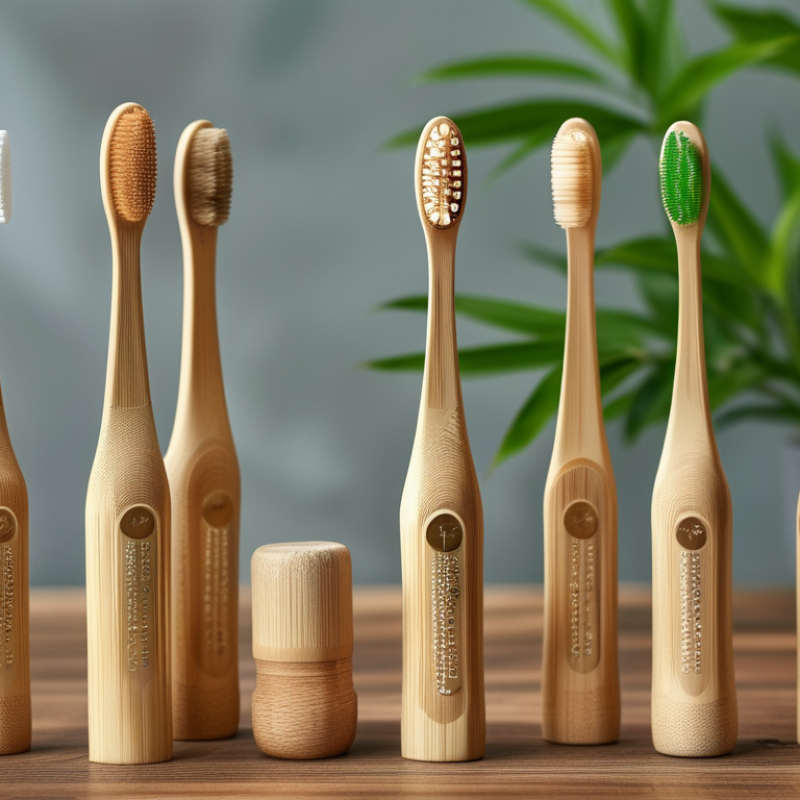
A top bamboo toothbrush supplier is defined by more than a natural-looking handle. The supplier should explain where the bamboo grows, how it is treated, and how each batch is traced. Clear sourcing records show real experience, not just attractive marketing. The bamboo should feel smooth, dry, and firmly finished, without sharp edges or strong chemical odors.
Reliable suppliers provide samples before accepting large orders. They test handle strength, bristle attachment, moisture resistance, and packaging durability. A practical sample review may include soaking handles, checking bristle shedding, and examining cartons after transport. Small details matter. One loose bristle can damage customer trust.
Professional suppliers also share material specifications and quality inspection records. They should identify bristle materials accurately and provide suitable safety documentation for the intended market. Factory audits, consistent production schedules, and responsive communication add authority. However, no supplier is perfect. A factory may offer excellent quality but have limited customization or slower seasonal capacity. That weakness should be disclosed rather than hidden. Buyers should compare inspection results, replacement policies, production lead times, and answers to difficult questions. A dependable supplier does not promise zero problems. It explains how problems are found, recorded, and corrected before products reach customers.
What Are the Top Bamboo Toothbrush Suppliers?
Which Types of Bamboo Toothbrush Suppliers Are Available?
Bamboo toothbrush suppliers generally fall into four groups: manufacturers, OEM/ODM producers, wholesalers, and private-label specialists. Direct manufacturers usually offer better control over bamboo sourcing, bristle selection, and factory quality checks. OEM/ODM suppliers provide more flexibility, including custom handles, packaging, and logo placement. However, customization often increases minimum order quantities and lead times.
Private-label suppliers suit retailers that need ready-to-sell products. They may provide standard brush sizes, recycled cartons, and simple artwork support. Wholesale distributors are more practical for smaller orders. Their unit prices can be higher, but delivery is often faster. Sustainable specialty suppliers focus on material documentation, such as bamboo species, coating ingredients, and packaging composition. Ask for test reports, not just attractive claims.
Industry estimates differ. Grand View Research reports continued growth in the global oral care market, supported by demand for environmentally positioned products. Several market studies also forecast strong expansion for bamboo toothbrush sales through 2030. These figures are useful, but not perfectly comparable. Definitions and research methods vary.
A dependable supplier should explain bristle material, factory location, production capacity, and defect handling. Request samples first. Check whether the handle develops cracks after repeated wet use. Packaging may look excellent while the brush performs poorly. That happened in early sourcing tests. Supplier selection should balance certification, product consistency, realistic delivery schedules, and transparent pricing.
| Supplier Type | Best Suited For | Typical MOQ | Customization Options | Common Bristle Choices | Packaging Options | Typical Lead Time |
|---|---|---|---|---|---|---|
| Specialized Bamboo Toothbrush Manufacturer | Established retailers, distributors, and high-volume buyers | 5,000–50,000 units | Handle shape, surface finish, bristle configuration, printing, and packaging | Nylon, soft nylon, plant-based polymer, and specialty bristles | Paper boxes, kraft sleeves, recyclable cartons, and bulk cartons | 30–90 days after design approval |
| Private-Label OEM Supplier | Businesses launching products under their own brand identity | 1,000–10,000 units | Logo printing, color selection, handle design, labels, and retail packaging | Soft, medium, and extra-soft nylon; selected bio-based alternatives | Custom printed boxes, sleeves, inserts, and gift sets | 25–75 days, depending on customization |
| Wholesale Distributor | Small retailers, hospitality businesses, and regional resellers | 50–1,000 units | Limited; usually standard designs and packaging | Mainly standard nylon bristles in soft or medium firmness | Ready-made individual boxes, multipacks, and bulk packaging | 3–20 business days, subject to inventory |
| Eco-Product Marketplace Supplier | Start-ups and buyers testing demand with small orders | 10–500 units | Generally unavailable or limited to quantity and pack selection | Standard nylon and other commonly listed bristle materials | Pre-packed retail units or simple recyclable packaging | 3–15 business days when products are in stock |
| Artisan or Small-Batch Producer | Boutiques, specialty stores, and sustainability-focused gift retailers | 25–500 units | Hand-finished handles, limited colors, basic engraving, and curated packs | Nylon or other bristles selected for softness and cleaning performance | Minimal paper packaging, handmade boxes, and reusable presentation packs | 15–45 days, depending on production capacity |
| Contract Manufacturer | Large organizations requiring coordinated product development and production | 10,000+ units | Extensive; product engineering, tooling, testing, packaging, and logistics support | Specified according to performance, regulatory, and market requirements | Fully customized retail, promotional, and shipping packaging | 60–120+ days, including development and production |
Note: MOQ and lead-time ranges are typical industry estimates and may vary according to product specifications, order volume, packaging requirements, seasonality, and shipping method.
Comparing bamboo toothbrush suppliers requires more than checking photographs or a low quotation. The OECD’s Global Plastics Outlook reported 353 million tonnes of plastic waste in 2019, with only 9% recycled. This pressure makes bamboo attractive, but material claims still need verification. Request the bamboo species, harvest region, drying method, and chain-of-custody documents. FSC certification can support responsible sourcing, while ISO 14001 indicates an environmental management system. Neither certificate proves that every finished toothbrush is well made.
I would ask for recent batch records and independent laboratory reports. Check handle moisture, surface splinters, coating composition, and bristle retention. A simple pull test matters. So does a seven-day water exposure test. Bristles should remain secure after repeated wetting. Suppliers should also provide applicable safety testing for heavy metals, microbial contamination, and packaging materials. ISO 9001 can show controlled quality procedures, but it does not replace product-specific testing.
Look closely at certificate numbers, issuing bodies, validity dates, and product scope. Some documents cover a factory, not the toothbrush. That detail is easy to miss. The United Nations Environment Programme’s 2024 Global Waste Management Outlook projects municipal waste could rise from 2.3 billion tonnes in 2023 to 3.8 billion tonnes by 2050. Durable handles and honest disposal guidance therefore matter. I would compare defect rates, corrective-action records, and sample consistency across several shipments. A polished audit file can still hide uneven production. Supplier transparency remains the practical test.
Top bamboo toothbrush suppliers usually provide several product formats, not just one standard brush. Common options include adult and children’s sizes, different handle shapes, and soft, medium, or firm bristles. Some suppliers offer plant-based bristles, while others use conventional nylon for better durability. Buyers should confirm the bristle material instead of relying on vague “natural” claims.
Customization can cover handle dimensions, grip texture, engraved logos, and printed colors. Suppliers may also adjust bristle height, density, and trimming patterns. Requesting physical samples is essential. Digital images often hide rough edges or uneven bristles. A dependable supplier should explain minimum order quantities, production timing, quality checks, and available material documentation. Small changes can affect comfort and cost more than expected.
Packaging choices range from kraft paper boxes and paper sleeves to recyclable cartons with custom printing. Suppliers can add product instructions, barcodes, batch information, and multilingual labels. Individual packaging improves hygiene during shipping, but it also increases material use. Bamboo may absorb moisture, so weak packaging can cause staining or warping in humid transport. I have found that attractive packaging is not always practical. Buyers should test sealed samples through storage and delivery conditions before approving a large order. Ask for packaging specifications, ink details, carton strength, and replacement procedures for damaged goods.
Choosing the best bamboo toothbrush supplier requires more than checking the lowest quote. UNEP’s 2023 Turning off the Tap report estimates that global plastic pollution could fall by 80% by 2040. This strengthens demand for lower-plastic products, but a bamboo handle does not make a toothbrush fully plastic-free. Ask suppliers to state bristle materials clearly. Nylon, plant-based polymers, and mixed materials have different disposal limits. Ask for evidence.
A reliable supplier should provide batch samples, material specifications, factory audit records, and test reports for bristle retention and handle safety. The International Bamboo and Rattan Organisation reports that bamboo covers about 35 million hectares worldwide. However, bamboo origin still matters. Request the species, harvest region, treatment method, and chain-of-custody documents. Suppliers should also explain whether adhesives, coatings, and packaging contain restricted substances. Claims should follow ISO 14021 principles, with measurable evidence instead of vague words like “green” or “natural.”
Commercial details deserve equal attention. Compare minimum order quantities, production capacity, lead times, replacement policies, and defect rates. A supplier promising 100,000 units may struggle with consistent moisture control. Cheap is not simple. My own purchasing checks can miss seasonal quality changes, so I would require pre-shipment samples and independent testing for the first several orders. Review customer references carefully, but verify them through invoices, inspection records, or video audits. The strongest supplier is not always the largest; it is the one that can repeatedly match your specifications, documentation, and delivery schedule.