Top Pixel Art Beads Suppliers Wholesale Worldwide
Choosing reliable suppliers matters when every tiny bead affects a finished design. Pixel Art Beads must offer consistent dimensions, clean edges, stable colors, and dependable heat performance. A single uneven bead can distort a character’s eye or break an entire grid. Small details matter.
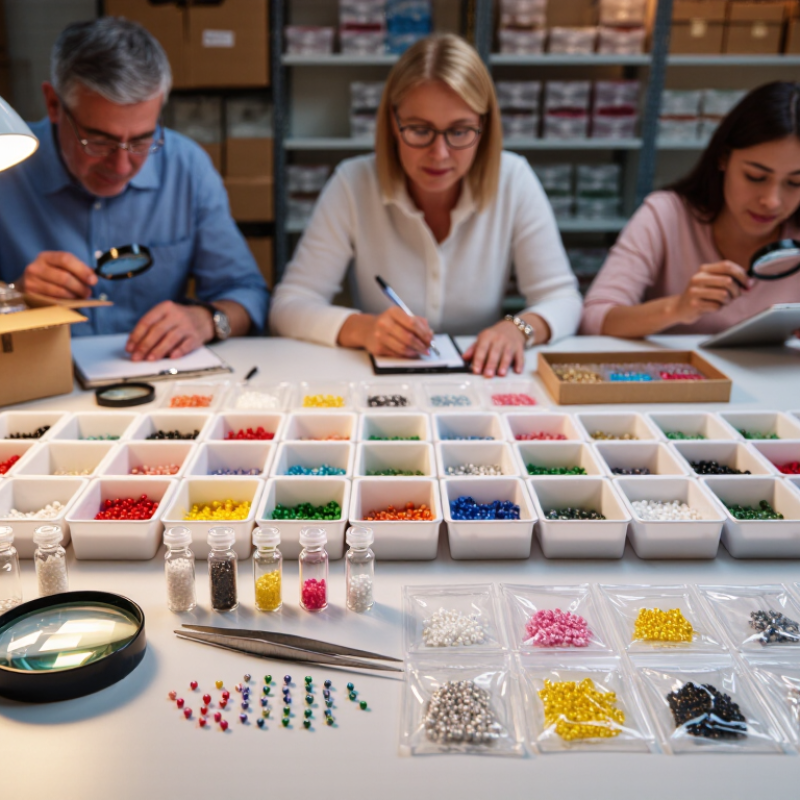
Beadwork educator and wholesale consultant Elena Marquez explains, “A trustworthy supplier proves quality through repeatable samples, not attractive promises.” This principle guides the search for top Pixel Art Beads suppliers worldwide. Experienced buyers usually request sample packs before placing large orders. They compare bead sizes under bright light, test color batches, and inspect packaging for moisture or crushed pieces. These practical checks reveal problems that catalogs often hide.
A strong supplier should also provide clear product specifications, realistic minimum order quantities, responsive communication, and traceable shipping information. Reliable manufacturers explain their materials and production standards without using vague marketing language. Buyers should review customer feedback carefully, especially comments about missing colors, delayed dispatches, or inconsistent sizing. Wholesale pricing is important, but the cheapest offer can create expensive rework later.
This guide examines international suppliers through a practical lens. It considers product range, customization, sample quality, packaging, order support, and delivery performance. Some conclusions may remain imperfect because supplier conditions change quickly. That uncertainty deserves attention. A company may perform well for one project and disappoint another. Therefore, careful testing remains essential before committing to regular wholesale purchasing.
What Pixel Art Beads Are and How They Are Used
Pixel Art Beads: What They Are and How They Are Used
Pixel art beads are small, heat-fusible plastic beads used to build colorful, grid-based designs. Each bead represents one pixel, so users can create animals, game characters, letters, icons, and simple patterns. Most beads have a flat cylindrical shape and fit onto a reusable pegboard. Their common size is about five millimeters, although smaller and larger options are also available. After arranging the beads, users place ironing paper over the design and apply gentle heat. The beads soften and join together. Follow the supplier’s temperature guidance carefully. Too much heat can blur small details.
These beads suit classrooms, craft workshops, home projects, and decorative displays. They can become keychains, magnets, ornaments, coasters, or framed art. Designers often use color charts before ordering wholesale quantities. This reduces waste and helps maintain consistent results across many pieces. A reliable supplier should provide clear bead dimensions, stable colors, clean packaging, and practical safety instructions. In my experience, sorting beads into shallow trays saves time during detailed work. It also makes missing colors easier to notice. Still, color matching is not perfect. Lighting can change how two similar shades appear.
Tips: Test a small pattern first. Keep the iron moving. Use a firm, heat-resistant surface. Store colors separately, and count extra beads for mistakes. Tiny gaps can weaken a finished piece. For children, adult supervision is essential during ironing, even when the project looks simple.
Top Pixel Art Beads Suppliers Wholesale Worldwide
What Pixel Art Beads Are and How They Are Used
Pixel art beads are small fusible or iron-on craft beads arranged on a pegboard to reproduce digital-style images. In a typical design, one bead represents one pixel, so the total bead requirement increases with the square of the grid size.
Bead planning guide: A 16 × 16 design requires 256 beads, while a 128 × 128 design requires 16,384 beads before allowing for spare beads, borders, or design changes. Smaller grids are commonly suitable for keychains and small decorations; larger grids are better for wall art and detailed mosaics.
Key Features of Reliable Wholesale Bead Suppliers
Top Pixel Art Beads Suppliers Wholesale Worldwide
Reliable wholesale bead suppliers show their quality before accepting a large order.
For pixel art projects, bead diameter, hole size, and color accuracy must remain consistent across every batch. A dependable supplier provides clear material specifications, sample packs, and recent quality records. Ask how colors are checked under daylight, not only under warehouse lighting. Small differences can distort a character’s face or a game sprite’s outline. They matter.
Stock visibility is another practical feature. A supplier should confirm available quantities, production time, minimum order requirements, and replacement procedures in writing. Strong packaging protects beads from crushed cartons, moisture, and mixed colors during transport. Detailed labels save hours during sorting. Responsive communication also reveals experience. Can the sales team explain batch codes, packing counts, and inspection steps without vague promises?
I have found that a beautiful sample proves very little. A larger shipment may reveal slight color drift or uneven edges. That is why a trial order, incoming inspection, and counted sample are worth the extra time. No supplier is flawless, and my own assumptions can be wrong. Recheck dimensions with a ruler, weigh several bags, and photograph damaged cartons. Suppliers who accept questions, document problems, and adjust future batches are more trustworthy than those offering only the lowest price. Clear records build confidence over repeated orders.
How to Compare Prices, Quality, and Minimum Order Quantities
Comparing pixel art bead suppliers requires more than checking the unit price. Grand View Research estimates the global arts and crafts market will grow at about 9% annually through 2030. Rising demand can hide unstable pricing. Request quotes for identical bead counts, colors, packaging, and delivery terms. Calculate landed cost, including freight, inspection, duties, and replacement stock. A lower quote may become expensive after 3% damaged or mismatched beads.
Quality needs measurable checks. Ask for sample bags and inspect diameter, hole size, surface smoothness, color consistency, and heat response. Use a digital caliper on random pieces. ISO 2859-1 offers a practical sampling framework for acceptance inspection. For children’s products, review applicable safety testing requirements before production.
Do not rely only on attractive sample photos. They can be carefully selected. I have seen color variation appear only after opening several cartons, so batch approval matters.
MOQ comparison should include cash flow and leftover inventory. A supplier offering 500 bags may seem flexible, while another requires 5,000 bags at a lower price. Divide the total order cost by usable beads, not shipped beads. Request mixed-color cartons, but confirm whether each shade has a separate MOQ. A 2024 craft-market analysis from Grand View Research indicates continued category expansion, yet forecasts are not guarantees. Demand can soften. Start with a pilot order, record defect rates, and renegotiate only after real inspection data. Mistakes are useful, but repeated mistakes are costly.
Steps for Choosing and Purchasing from a Global Supplier
Choosing a global pixel art bead supplier starts with product evidence, not attractive photos. Ask for sample packs before discussing large quantities. Check bead diameter, hole size, color consistency, and surface finish. An experienced buyer measures samples with a caliper and compares them with the product sheet. I once accepted a cheerful color chart without testing it. It looked accurate online. It was not.
Compare supplier capacity, production lead time, packaging methods, and export experience. Ask how they control color batches and handle defective pieces. Reliable suppliers can provide material information, inspection records, and clear contact details. Check independent trade references when possible. Avoid choosing only by the lowest quotation. A low price may hide weak packaging or repeated delays. Also review shipping terms, import requirements, taxes, and delivery insurance for your destination.
Before placing a larger order, agree on written specifications and acceptable quality tolerances. Include bead size, color codes, quantity, packing units, delivery dates, and replacement procedures. Use secure payment arrangements that match the supplier’s verified business information. Request production photos and a final inspection report before shipment. A pre-shipment count helps prevent missing bags or mixed colors. Small errors happen. Leave a modest budget for testing and unexpected freight changes. Review the first order honestly, including your own unclear instructions, before building a longer purchasing relationship.