2026 Best Fifth Wheel RVs for Global Buyers?

Choosing the right fifth wheel rv in 2026 requires more than comparing floor plans and glossy brochures. Global buyers face different roads, climates, tow vehicles, service networks, and import requirements. A luxurious model may feel impressive in a showroom, yet struggle on narrow European roads or remote Australian tracks.

RV industry journalist Tony Barthel has said, “Choose the RV that matches how you actually camp.” That simple advice deserves attention. A full-time family may need a residential refrigerator, strong storage, and a dependable solar system. A couple touring colder regions may value heated tanks, insulated slides, and efficient propane use. A lighter fifth wheel rv could also reduce towing stress, especially when local truck options are limited.

This guide examines the best 2026 fifth wheel rv choices for international buyers. It considers build quality, verified weights, suspension design, insulation, water systems, safety equipment, and after-sales support. Manufacturer claims matter, but independent inspections matter more. Ask for documented axle ratings, cargo capacity, warranty terms, and parts availability.

Small details can change ownership. A cramped service bay becomes frustrating after a leaking seal. A beautiful kitchen means little when replacement appliances are unavailable overseas. Some recommendations may not suit every country. That is the uncomfortable part. “Global” does not mean universal.

We will compare practical strengths, likely compromises, and ownership realities. Expect careful research, not perfect answers. The best choice depends on your route, budget, tow vehicle, climate, and willingness to maintain the rig far from home.

2026 Best Fifth Wheel RVs for Global Buyers?

What Fifth Wheel RVs Are and How They Work

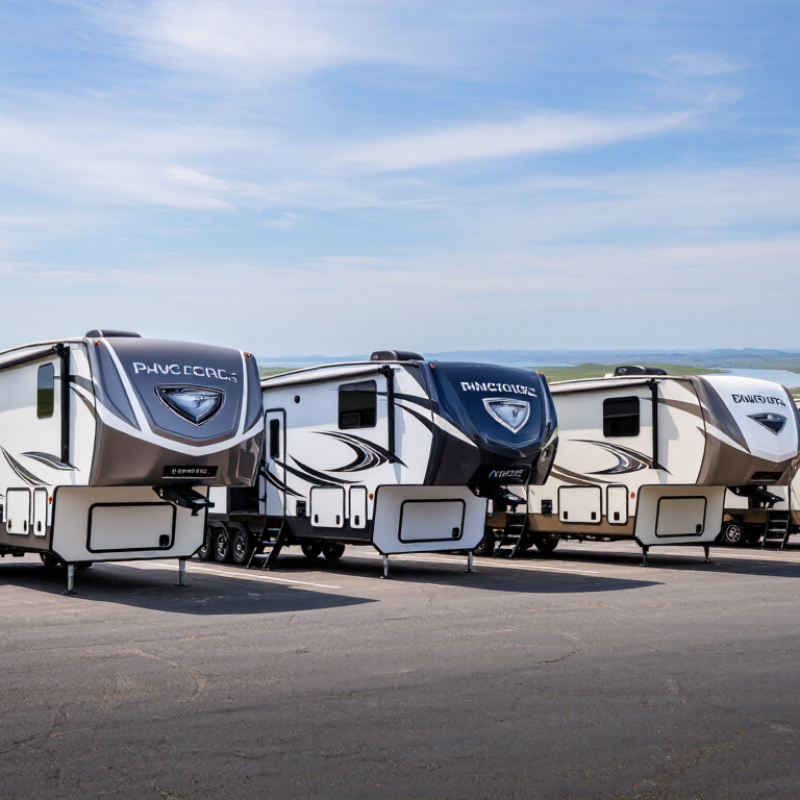
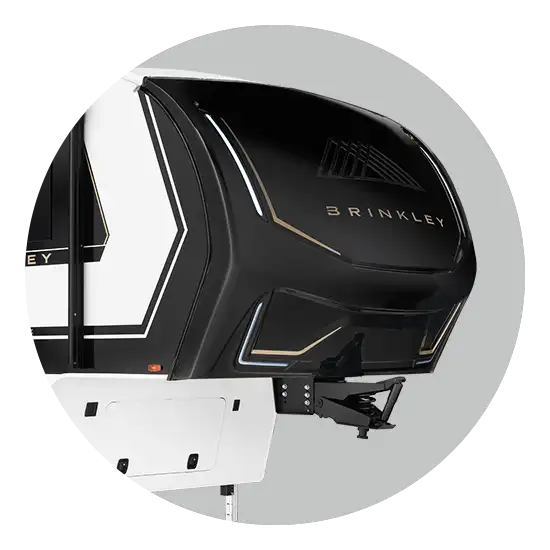
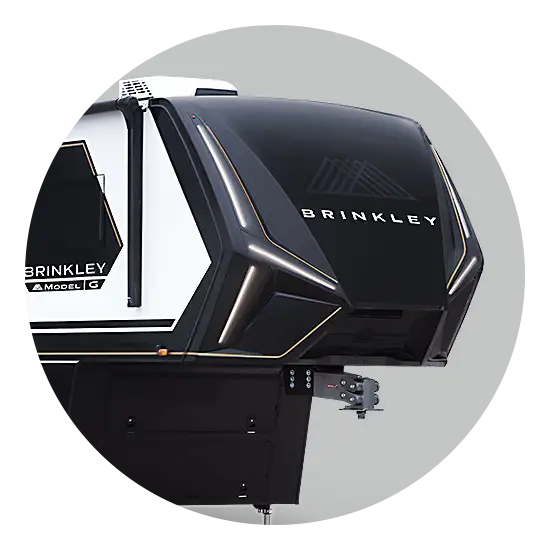
A fifth wheel RV is a towable home designed to connect inside a pickup truck’s bed. Its raised front section extends over the truck, creating a distinctive two-level layout. A kingpin locks into a hitch plate, then allows the trailer to pivot during turns. This connection usually feels more stable than a rear-mounted hitch. However, stability depends on correct loading, tire condition, and suitable road speed.

While traveling, the truck carries part of the RV’s weight through the bed-mounted hitch. The trailer’s pivot point sits closer to the truck’s rear axle, improving maneuverability in many situations. Tight turns become easier, but reversing still requires patience. Buyers should match the RV’s loaded weight with the truck’s towing capacity and payload rating. Never rely only on brochure figures. Real cargo changes everything.

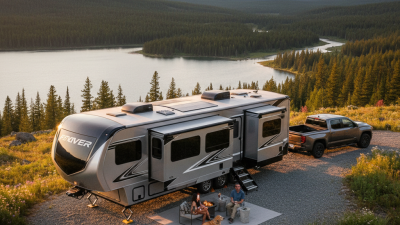
At a campsite, leveling legs support the parked RV after the truck disconnects. Slide-outs can enlarge the living area, while onboard systems may provide water, electricity, heating, and cooling. Global buyers should check local road limits, connection standards, climate needs, and service access before choosing a layout. Measure the campsite and storage area carefully. Small details matter. Even experienced owners sometimes rush the hitch inspection. That mistake can create serious trouble before the journey really begins.

Key Fifth Wheel RV Types and 2026 Design Features

For global buyers, fifth wheel RVs in 2026 are becoming more adaptable, not simply larger. Rear-living layouts suit couples who want wide sofas, panoramic windows, and a quieter sleeping area. Bunkhouse models serve families, although their extra beds can reduce storage space. Toy haulers add a rear garage for bicycles, tools, or outdoor equipment. They often require careful weight planning.

Mid-profile fifth wheels may offer a practical balance between road height, interior comfort, and towing demands. Full-profile models provide taller ceilings, larger kitchens, and residential-style bathrooms. However, bigger dimensions can create problems on narrow roads, older campsites, and uneven parking areas. Buyers should check tow ratings, axle limits, turning clearance, and local road restrictions before choosing a floor plan.

Design trends for 2026 include lighter composite panels, more efficient insulation, and improved heat-pump climate systems. Solar charging, lithium battery storage, and energy monitoring are becoming more useful for remote travel. Smart controls can manage lighting, tank levels, and temperature from one central screen. Modular furniture may let owners change sleeping or dining areas as needs develop. I remain cautious about complicated electronics. A simple manual backup still matters. During inspections, I would test cabinet latches, seals, slide mechanisms, and water connections, because attractive technology cannot repair poor construction. Wide entry steps, stronger grab handles, and clearer interior lighting also make daily use safer for older travelers and families.

Top 2026 Fifth Wheel RVs for Different Travel Needs

For 2026 buyers, the best fifth wheel depends on how and where you travel. Families often need separate sleeping areas, durable flooring, and a kitchen with practical storage. A wide seating area helps during rainy evenings, especially on longer trips. During inspections, I check drawer movement, bathroom ventilation, and under-bed access. Small faults become expensive overseas. Do not trust glossy photos alone.

Couples may prefer a shorter model with easier maneuverability and lower campsite demands. Remote workers should seek a quiet workspace, dependable power planning, and strong mobile connectivity options.

Long-stay travelers need larger water tanks, accessible maintenance points, and comfortable heating systems. Buyers crossing borders must also confirm towing compatibility, electrical standards, and service availability in their destination country. That mistake hurts.

In colder regions, insulated walls and protected plumbing matter more than decorative features. Ask for documented construction details and test every appliance before purchase. Hot climates require effective ventilation, shaded windows, and cooling capacity suited to the local environment.

I recommend comparing the loaded trailer weight with the tow vehicle, not the empty showroom figure. Real ownership differs. One quiet concern is payload: extra batteries, tools, bicycles, and water can quickly exceed expectations. Leave room for real life.

Towing, Road, Climate, and Import Factors for Global Buyers

Choosing a fifth wheel RV for global travel requires more than comparing floor plans. The towing match matters first. Check the trailer’s loaded weight, pin weight, brake system, and your vehicle’s certified limits. Leave a safety margin. A comfortable tow on wide highways may feel stressful on narrow mountain roads, ferry ramps, or uneven village streets.

Road conditions should shape the design. Strong suspension, good ground clearance, reliable tires, and a practical turning radius help across mixed surfaces. Climate changes the equipment list. Hot regions need efficient cooling and roof insulation, while cold areas require protected plumbing and dependable heating. Coastal travel demands careful corrosion control. Humid storage can damage seals faster than many buyers expect.

Import planning is equally important. Confirm destination rules for trailer dimensions, lighting, braking, coupling hardware, and electrical systems before paying a deposit. Customs duties, inspection fees, registration taxes, and inland transport can alter the real budget. A local certified inspector or licensed importer should review the documents and physical unit. Shipping measurements must include the highest roof fixture and widest slide-out position. I would not rely on a seller’s general statement that the RV is “globally ready.” Standards differ, and paperwork is sometimes incomplete. My own preference would be a simpler layout with widely available components, even if it looks less impressive. Availability wins when a replacement part is needed far from home.

How to Compare Costs, Support, and Long-Term Ownership Value

Choosing a fifth wheel RV in 2026 requires more than comparing showroom prices. Global buyers should calculate the landed cost before admiring floor plans. Include shipping, insurance, import duties, local taxes, registration, and required safety changes. A low-priced unit can become expensive after months of paperwork. Ask for a written quotation. Use the same currency and exchange-rate date for every offer. Also check whether the electrical system, hitch dimensions, and water fittings suit your destination. These small details often decide real value.

Support may matter more than a polished interior. Request the warranty terms, response times, and exclusions in writing. Confirm who handles repairs in your country, and whether parts can arrive reliably. An online promise is not a service network. Speak with an independent RV technician before paying a deposit. Ask them to inspect frame condition, seals, brakes, suspension, appliances, and moisture readings. Photos cannot reveal every soft wall or poorly protected wire. That lesson is easy to learn expensively.

Long-term ownership value depends on use, climate, and resale demand. Keep service records, invoices, inspection reports, and photographs from delivery day. These documents support warranty claims and protect future resale. Estimate annual storage, tire replacement, servicing, insurance, and campground access. Cold climates may require extra insulation care, while humid regions demand frequent seal checks. Do not assume the largest layout is the best investment. A smaller, efficient interior may cost less to maintain and tow. I would still leave room for error. Prices change. Shipping delays happen. Allowing a contingency fund makes ownership less stressful and exposes the true cost of the decision.