China Best Bumper Pull Toy Hauler Manufacturer?

Choosing a reliable bumper pull toy hauler manufacturer requires more than comparing glossy floorplans and low advertised prices. Buyers must examine frame construction, axle ratings, hitch requirements, cargo capacity, warranty support, and factory quality controls. A toy hauler may carry motorcycles, tools, and camping equipment, but every kilogram affects towing stability. Small details matter: reinforced tie-down points, sealed wiring, balanced weight distribution, and a ramp that closes without excessive force.

The broader RV market provides useful context. The RV Industry Association reported 342,220 wholesale RV shipments in 2024, an increase from 313,174 units in 2023. Its data shows continuing demand, but shipment growth does not automatically prove manufacturing quality. Grand View Research also estimates steady expansion in the global recreational vehicle market through 2030. These figures indicate opportunity, not certainty. Market forecasts can change.

Craig Kirby, president and CEO of the RV Industry Association, has stated, “RVing continues to be a popular way for people to travel and enjoy the outdoors.” That observation fits toy haulers, especially among riders seeking flexible weekend travel. Yet popularity can hide compromises. A dependable manufacturer should provide verifiable test information, clear load limits, corrosion-resistant materials, and accessible parts support. Buyers should request documentation, not rely only on showroom confidence.

The following guide compares manufacturers through an evidence-based lens. It considers production experience, engineering capability, certification practices, customer feedback, and after-sales responsiveness. Some brands may look impressive but offer limited technical transparency. Others may lack polished marketing yet build durable units. That difference deserves closer inspection.
China Best Bumper Pull Toy Hauler Manufacturer?

What Is a Bumper Pull Toy Hauler?

What Is a Bumper Pull Toy Hauler?

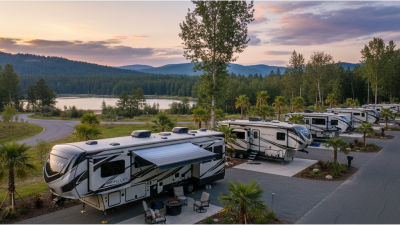
A bumper pull toy hauler is a towable RV designed to carry recreational equipment. It connects to a hitch near the rear bumper of a suitable tow vehicle. Unlike a standard travel trailer, it includes a reinforced cargo garage. This space can hold motorcycles, bicycles, compact utility vehicles, or outdoor gear.

Cargo Garage and Living Space

The garage usually has a rear ramp door, durable flooring, tie-down points, and ventilation. Many layouts convert the cargo area into beds, seating, or a dining space. A well-designed unit balances cargo capacity with living comfort. Weight ratings must be checked carefully before loading. The trailer’s loaded weight, tongue weight, axle capacity, and tow vehicle rating should all match.

Manufacturing and Construction Details

From a manufacturing perspective, reliable construction begins with accurate frame welding and consistent material inspection. Floor strength matters, especially when equipment rolls across the ramp. Tie-down anchors should connect securely to structural areas, not only thin floor panels. Electrical wiring also needs protection from vibration and moisture. Small details can decide long-term performance.

No Layout Is Perfect

A larger garage may reduce living space, while extra storage can increase trailer weight. I have seen buyers focus on floor plans and overlook tongue weight. That mistake can affect handling and tire wear. Careful measurement is better than attractive pictures. A practical bumper pull toy hauler should fit the equipment, towing system, road conditions, and daily camping habits of its owner.

How to Evaluate a Toy Hauler Manufacturer in China

China Best Bumper Pull Toy Hauler Manufacturer?

How to Evaluate a Toy Hauler Manufacturer in China

Evaluating a toy hauler manufacturer in China requires more than comparing prices. Visit the factory, if possible, and inspect the welding area, assembly line, and material storage. A clean workshop is useful evidence, but it is not proof of consistent quality. Ask for production records, inspection procedures, and photographs from recent projects. Small details matter.

Request complete drawings before discussing final costs. Check the frame thickness, axle rating, suspension design, ramp strength, and interior load capacity. Ask how the manufacturer controls water leakage around roof seams, doors, and windows. A practical test uses a loaded ramp and a controlled water spray. Do not accept only verbal promises. They fade quickly.

Review the factory’s export experience and ability to meet your destination’s road, electrical, and safety requirements. Confirm testing documents through independent sources when possible. A reliable supplier should explain its warranty process, replacement-part supply, and response time. Communication quality is also a technical indicator. If answers remain vague, production may become difficult.

A pre-production sample can reveal uncomfortable problems, such as uneven cabinet gaps or poor cable protection. That is normal during evaluation. I would record every correction in a signed specification sheet. Yet, one weakness remains: factory visits show current conditions, not every future shipment. Regular inspections and third-party checks still deserve consideration.

What Features Define a High-Quality Bumper Pull Toy Hauler?

A high-quality bumper pull toy hauler begins with controlled weight, not flashy decoration. The 2023 RV Industry Association report recorded 313,174 wholesale RV shipments, showing strong demand for practical recreational units. Buyers should check the gross vehicle weight rating, tongue weight, and axle capacity before comparing floor plans. A balanced trailer reduces sway during highway braking. It also protects the tow vehicle from unnecessary stress.

The loading area needs a reinforced ramp, sealed flooring, and dependable tie-down points. Four-point restraint systems are more useful than decorative interior upgrades. A low loading angle helps with motorcycles, compact utility vehicles, and heavy outdoor equipment. Ventilation matters because fuel odors and heat can collect quickly. The 2024 North American Camping Report identified 53.6 million camping households in the United States, so repeated weekend use deserves serious attention.

Look closely at welds, roof seals, cable routing, and suspension components. Small defects become expensive after rain, dust, and rough roads. Independent brake control and properly rated tires are essential. In my experience, published capacity figures can feel optimistic. Ask for test records, material specifications, and third-party inspection evidence. A manufacturer in China should also provide clear quality-control procedures, traceable components, and stable after-sales support. No trailer is perfect. That should invite careful questions.

What Features Define a High-Quality Bumper Pull Toy Hauler?

A high-quality bumper pull toy hauler balances cargo usability, payload capacity, safety, durability, weather protection, and onboard comfort.

The chart presents a practical 100-point evaluation model based on specifications commonly used when comparing recreational vehicle designs. Cargo and garage utility receive the highest weighting because toy haulers must safely transport recreational equipment while maintaining usable living space.

How Are Chinese Toy Haulers Manufactured and Customized?

A Chinese toy hauler typically begins with a customer specification sheet, not a fixed catalog. Manufacturers confirm trailer length, axle rating, garage dimensions, payload, and towing conditions. Engineers then build a frame from welded steel sections and check critical joints with dimensional tools. Floor panels, wall insulation, and exterior sheets follow. The order matters. Small errors can spread.

Customization may include a rear ramp door, fold-down beds, cabinets, tie-down tracks, roof ventilation, solar wiring, and water systems. Buyers should request drawings before production starts. A useful drawing shows cable routes, load points, door clearances, and appliance locations. Production teams cut panels, install plumbing and wiring, seal exterior joints, and fit interior hardware. Each stage needs inspection. Workers can test ramp alignment, electrical continuity, water pressure, and brake operation before shipment. Factory photos help, but inspection records are stronger evidence.

Experienced suppliers also review axle balance and tongue weight after major changes. A heavier garage floor or added battery bank can alter towing behavior. This is where customization needs restraint. More features are not always better. Independent pre-shipment inspection can verify dimensions, weld quality, lights, tires, emergency equipment, and documentation against the agreed specification. Requirements differ by destination, so the importer must confirm local registration and road standards. Some production details may be missed when communication is rushed. Clear revisions, sample approvals, and honest defect reporting reduce that risk.

How to Choose the Best China-Based Toy Hauler Supplier

Choosing the best China-based toy hauler supplier requires more than comparing prices. A reliable manufacturer should understand bumper pull weight distribution, frame strength, axle ratings, and safe cargo loading. Ask for technical drawings, material specifications, and recent production photos. A clear answer matters.

Visit the factory online or in person. Check welding areas, paint preparation, electrical testing, and final inspection procedures. Request a video showing the same model, not only polished catalog images. Confirm whether the supplier controls key processes or outsources them. Outsourcing is not automatically poor, but unclear responsibility creates problems. Ask for inspection records, load-test methods, and export packaging details. Independent pre-shipment inspection is also worth considering.

Communication often reveals more than the quotation. A professional supplier should explain lead times, customization limits, spare-part availability, and warranty procedures in writing. Check how quickly they respond to technical questions. Vague promises can become expensive delays. I once considered a low quotation attractive until transport, replacement parts, and design changes were included. That comparison was incomplete. Calculate the full landed cost, then review payment stages and contract terms carefully. Verify that the completed bumper pull toy hauler can meet the destination market’s road, lighting, braking, and safety requirements. Never rely on assumptions. Capability should be documented, not merely claimed.

China Best Bumper Pull Toy Hauler Manufacturer? - How to Choose the Best China-Based Toy Hauler Supplier

Evaluation Dimension Practical Benchmark for a Bumper Pull Toy Hauler Evidence to Request from the Supplier Why It Matters
Product Configuration Confirm the unit is designed as a bumper-pull trailer with a compatible coupler, safety chains, breakaway system, and electric brakes. Technical drawings, chassis specifications, coupler rating, brake-system details, and photographs of the completed frame. Prevents a mismatch between the trailer and the intended tow vehicle or local road requirements.
Gross Vehicle Weight Rating The trailer’s rated gross vehicle weight must exceed the empty trailer weight plus passengers, cargo, water, fuel, recreational vehicles, and accessories. Weight certificate, axle ratings, tire ratings, cargo-carrying-capacity calculation, and a completed weight-and-balance sheet. Insufficient capacity can create unsafe handling, overloaded axles, and compliance problems.
Tow-Vehicle Compatibility The tow vehicle should be rated above the trailer’s actual loaded weight, with adequate tongue-weight capacity and a suitable receiver, wiring, and brake controller. Tow-vehicle compatibility chart, recommended tongue-weight range, loaded weight estimate, and hitch requirements. A trailer that is technically towable but poorly matched may have reduced stability and braking performance.
Frame and Chassis Look for documented steel grade, weld procedures, corrosion protection, suspension type, axle capacity, and load-path design. Material certificates, weld inspection records, frame drawings, coating specifications, and axle documentation. The chassis carries dynamic road loads and directly affects durability, alignment, and safety.
Cargo and Toy-Garage Layout Verify usable garage length and width, ramp-door capacity, tie-down locations, ramp angle, interior height, and ventilation. Dimensioned floor plan, payload distribution plan, ramp-load rating, tie-down rating, and 3D layout drawings. Actual usable space may be lower than advertised after cabinets, beds, tanks, and appliances are installed.
Electrical and Plumbing Systems Require clearly labeled circuits, correctly sized wiring protection, accessible service points, leak-tested plumbing, and climate-appropriate components. Wiring diagram, load calculation, plumbing pressure-test record, component specifications, and maintenance instructions. Documented systems simplify inspection, repairs, export approval, and after-sales support.
Safety and Regulatory Compliance Compliance must be evaluated against the destination market’s rules for lighting, brakes, reflectors, tires, glazing, gas systems, electrical systems, and vehicle identification. Applicable conformity documents, test reports, labels, VIN or identification procedure, and inspection records for the destination country. Certification requirements vary by market; compliance cannot be assumed from the manufacturing location.
Quality-Control Process A reliable process should include incoming-material checks, in-process inspections, electrical and water testing, road-load checks, and final dimensional inspection. Quality manual, inspection checklist, nonconformance records, production photographs, and a pre-shipment inspection plan. A documented process is more dependable than visual inspection of a single finished unit.
Prototype and Sample Approval Approve a production-intent sample before volume manufacturing, especially for custom dimensions, layouts, materials, or destination-market specifications. Signed drawings, approved bill of materials, sample inspection report, and documented change-control procedure. Written approval reduces the risk of unapproved substitutions or design changes.
Production Capacity and Lead Time Evaluate capacity by verified monthly output, current production schedule, critical-component availability, and realistic shipping preparation time. Production schedule, capacity statement, component lead-time list, factory audit report, and written delivery milestones. Quoted lead time is meaningful only when supported by capacity and supply-chain evidence.
Parts and After-Sales Support Prioritize suppliers able to provide exploded parts lists, service manuals, replacement seals, electrical components, suspension parts, and warranty procedures. Spare-parts catalog, warranty terms, response-time commitment, troubleshooting guide, and service-contact process. Standardized documentation and replacement parts reduce downtime after delivery.
Export Packaging and Logistics Confirm protective packaging, moisture control, lashing points, shipping dimensions, container suitability, and responsibility for export documents. Packing specification, loading photographs, shipping dimensions, insurance terms, commercial invoice, packing list, and export documentation checklist. Large trailers can suffer damage or unexpected costs when loading and documentation are not planned in advance.
Commercial Evaluation Compare total landed cost rather than factory price alone, including tooling, inspection, inland transport, freight, duties, taxes, spare parts, and compliance work. Itemized quotation, payment milestones, tooling ownership terms, inspection costs, Incoterms, warranty exclusions, and change-order pricing. A transparent total-cost model makes supplier quotations comparable and reduces hidden expenses.
Recommended selection method: Shortlist suppliers only after verifying technical documents, destination-market compliance, production capability, sample quality, inspection access, and written after-sales responsibilities.