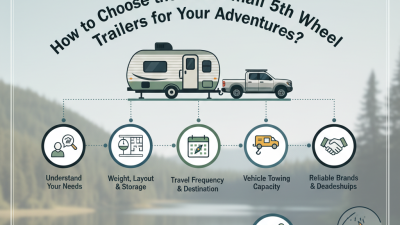
How to Choose the Best 5th Wheel Trailers?

Choosing the best 5th wheel trailers begins with evidence, not glossy brochures. The RV Industry Association’s 2024 Industry Profile reports approximately 11.2 million U.S. households owning an RV. That figure signals strong demand, but popularity does not guarantee a suitable match. A spacious rear kitchen may feel impressive, yet its added weight can challenge a half-ton pickup.

Mark Polk, founder of RV Education 101, explains, “A fifth-wheel trailer is designed to be towed by a pickup truck with a special hitch mounted in the truck bed.” That hitch changes towing stability and weight distribution. It also reduces usable truck-bed space. Small details matter. Measure the bed.

This guide examines floor plans, gross vehicle weight ratings, hitch limits, insulation, braking systems, and long-term maintenance. The 2024 KOA North American Camping Report also recorded continued growth in camping participation, suggesting more buyers are seeking comfortable, mobile accommodations. Still, choosing by interior size alone is a common mistake. I have seen impressive layouts become frustrating when storage, payload, or turning clearance was ignored.

There is no universal “best” model. Your route, climate, family size, and tow vehicle decide the answer. Even manufacturer specifications deserve careful checking, because advertised dry weight excludes personal gear, water, batteries, and optional equipment. Numbers can mislead.

A reliable decision requires matching real-world loading conditions with certified ratings. The goal is not the largest trailer. It is confident towing, practical living space, and fewer expensive surprises after purchase.
How to Choose the Best 5th Wheel Trailers?

Define Your Travel Needs and Fifth-Wheel Trailer Priorities

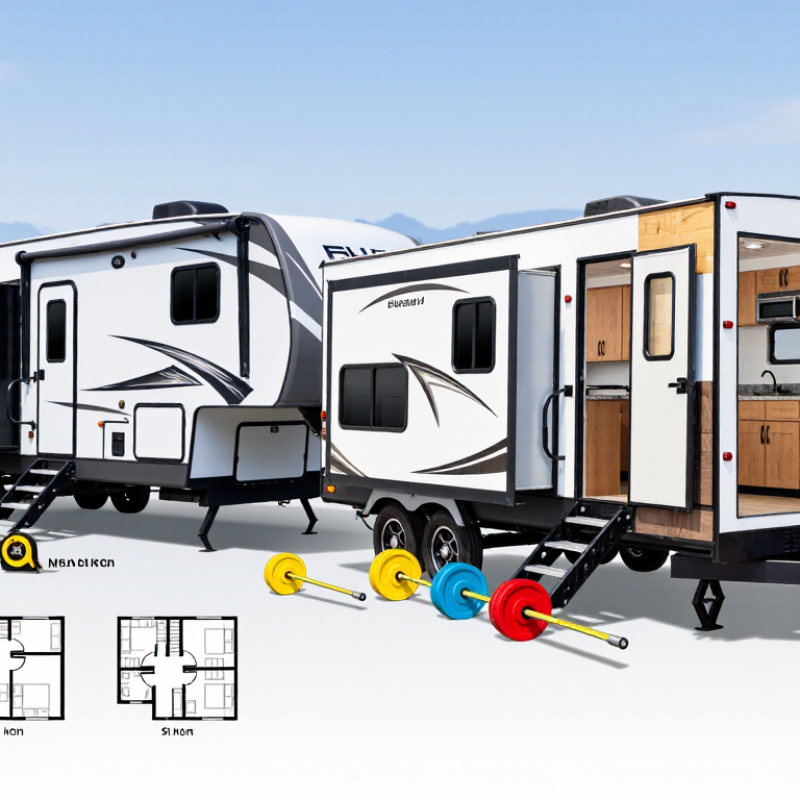
Choosing the best 5th wheel trailer starts with defining how you actually travel. A weekend couple needs different features than a family staying for several months. Write down your usual trip length, passenger count, road conditions, and preferred campsite size. Be honest about your habits.

I once underestimated how often I would cook outdoors. The large indoor kitchen became less useful than expected. A shorter trailer with an exterior cooking area might have served me better. Measure your tow vehicle’s payload, rear-axle rating, and maximum trailer weight carefully. The trailer’s pin weight can change after adding water, food, tools, and bicycles. Leave a safety margin.

Then rank your priorities. Do you need a private bedroom, a desk, extra storage, or strong insulation for cold mornings? Check cabinet hinges, window seals, slide-out movement, and plumbing access during an inspection. Small defects can become expensive inconveniences. Spend time inside the trailer with several people moving around. Door swings and narrow aisles often look acceptable until daily use begins.

Read the weight labels and owner’s documentation, not just the sales description. Ask an experienced technician to review the hitch setup and braking system. Test the trailer at a nearby campsite before planning a long journey. Your priorities may change after one real trip. That is useful information, not failure.
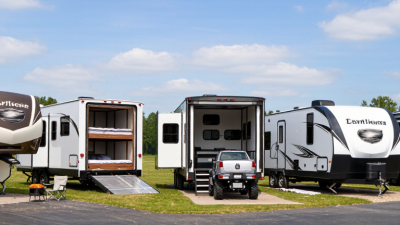
Check Tow Vehicle Capacity and Hitch Compatibility

Choosing a fifth wheel trailer starts with the tow vehicle, not the floor plan. Check the truck’s payload rating, gross vehicle weight rating, rear axle limit, and maximum trailer weight. The trailer’s pin weight often uses 20 to 25 percent of its loaded weight. That load sits directly over the rear axle. Numbers matter. A truck may appear powerful, yet passengers, tools, fuel, and hitch equipment can consume its available payload quickly.

Measure twice. A certified public scale can reveal the real axle loads after loading camping supplies, water, propane, and bicycles. Compare each reading with the vehicle and trailer manufacturer’s specifications. Do not rely only on the brochure’s “dry weight.” It usually excludes daily equipment. I once underestimated stored gear by a surprising margin, so leaving a safety buffer is wiser than chasing the maximum rating.

Hitch compatibility needs equal attention. Confirm the hitch rating exceeds the trailer’s actual pin weight and gross loaded weight. Check the truck bed length, hitch position, mounting system, and turning clearance. Short beds may need an approved sliding mechanism, while long beds can still require careful clearance checks. Inspect the kingpin, locking jaws, safety components, tires, brakes, and electrical connection before every trip. A professional inspection can catch poor mounting or worn parts that a quick driveway check misses. Small errors grow.

Compare Trailer Layouts, Sizes, and Essential Features

Choosing the best 5th wheel trailer starts with its layout, not its exterior shine. A rear living room suits couples who want wide sofas and a comfortable evening space. A bunkhouse layout offers separate sleeping areas for children or guests. A front bedroom usually provides better privacy, but its steps and ceiling height deserve a careful inspection.

Size should match both your towing vehicle and your travel habits. Measure the trailer’s loaded weight, hitch weight, length, and overall height. Do not rely only on an empty specification sheet. Water, clothing, food, and outdoor equipment add surprising weight. I once underestimated storage needs and quickly filled every cabinet. That mistake changed how I plan trips.

Essential features should support real daily use. Look for durable flooring, accessible storage, strong ventilation, and enough counter space for simple meals. Check whether the bathroom allows comfortable movement with the door closed. Inspect slide-out seals, window locks, suspension components, and electrical connections before purchase. A spacious floor plan can still feel inconvenient if controls are poorly placed. Short test visits help. Stand in the kitchen. Sit on the bed. Open every drawer. Also, remember that larger trailers may offer comfort but require wider campsites and more careful maneuvering. There is no perfect layout. Your best choice depends on who travels, how often you move, and which small inconveniences you can accept.

How to Choose the Best 5th Wheel Trailers? - Compare Trailer Layouts, Sizes, and Essential Features

Trailer Layout Typical Length Typical Sleeping Capacity Best For Main Advantages Potential Limitations Essential Features to Check Overall Practicality
Rear Living Room 30–42 ft
Approx. 9.1–12.8 m
2–4 people Couples and long-term travelers who prioritize indoor comfort Large seating area, residential-style furniture, panoramic windows, and a comfortable entertainment zone Usually offers limited dedicated sleeping space for children or guests; longer models require more towing space Comfortable theater seating, sofa-bed option, opposing slide-outs, large windows, strong insulation, and sufficient storage ★★★★★
Excellent for extended stays
Rear Kitchen 30–40 ft
Approx. 9.1–12.2 m
2–4 people Travelers who cook frequently while camping More counter space, a larger pantry, improved kitchen workflow, and separation from the main living area Kitchen weight can affect cargo balance; rear storage access may be less convenient on some designs Counter length, pantry capacity, refrigerator size, ventilation, countertop workspace, and adequate water capacity ★★★★☆
Very practical for food-focused trips
Front Living Room 36–45 ft
Approx. 11.0–13.7 m
2–4 people Couples seeking a separate lounge and private bedroom Distinct living and sleeping zones, elevated views, and generous lounge seating Often heavier and longer; stairs and multiple levels may be less suitable for some travelers Stair design, ceiling height, lounge ventilation, bedroom privacy, slide-out seals, and towing clearance ★★★★☆
Excellent comfort with higher towing demands
Bunkhouse 30–42 ft
Approx. 9.1–12.8 m
5–10 people Families and groups needing dedicated beds for children or guests Separate bunk area, flexible sleeping arrangements, and better privacy for larger groups More occupied floor space can reduce living-room openness; bunk capacity may add weight Bunk dimensions, privacy doors, bunk weight ratings, bathroom access, storage, and ventilation in the bunk area ★★★★★
Best for families and group travel
Mid-Bunk 35–43 ft
Approx. 10.7–13.1 m
4–8 people Families wanting an office, guest room, or flexible sleeping area Multi-purpose room can function as a bunk room, workspace, or private guest area Additional slide-outs and room dividers can increase weight, maintenance, and setup complexity Room dimensions, convertible furniture, electrical outlets, desk space, ventilation, and usable storage ★★★★☆
Highly versatile for mixed-use travel
Toy Hauler 30–46 ft
Approx. 9.1–14.0 m
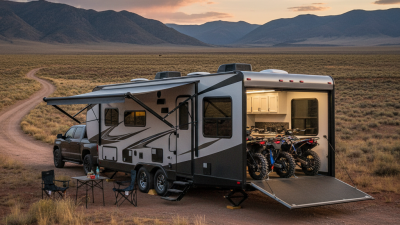
4–8 people Owners transporting motorcycles, bicycles, kayaks, or other equipment Rear cargo garage, ramp door, convertible furniture, and flexible indoor-outdoor living space Cargo reduces available payload; fuel, tie-downs, and equipment loading require careful planning Garage payload rating, tie-down locations, ramp capacity, fuel ventilation, cargo-floor strength, and garage-to-living-area separation ★★★★☆
Best when cargo flexibility is essential
Compact 5th Wheel 22–30 ft
Approx. 6.7–9.1 m
2–4 people Shorter trips, smaller campsites, and easier maneuverability Lower overall length, simpler campsite access, and generally reduced storage and towing demands Smaller kitchens, bathrooms, holding tanks, and living areas; fewer residential-style features Pin weight, interior headroom, bed access, tank capacities, storage efficiency, and compatibility with the tow vehicle ★★★★☆
Practical for mobility and shorter stays
Luxury Residential Layout 40–46 ft
Approx. 12.2–14.0 m
2–4 people Full-time living or extended seasonal stays Large kitchens, residential appliances, spacious bedrooms, ample storage, and high-comfort interiors High gross vehicle weight, greater campsite restrictions, and increased operating and maintenance costs Frame capacity, insulation, climate-control performance, residential refrigerator support, washer-dryer provisions, and tank sizes ★★★★☆
Best for maximum interior comfort

Dimensions and capacities are typical industry ranges rather than specifications for a particular trailer. Always verify the actual gross vehicle weight rating, unloaded vehicle weight, cargo carrying capacity, hitch or pin weight, and tow-vehicle limits before purchase.

Evaluate Construction Quality, Safety, and Living Comfort

Choosing the best 5th wheel trailer starts with construction quality, not decoration. During inspections, I look beneath cabinets, around window seals, and inside storage compartments. Solid flooring should feel firm underfoot, without soft spots or creaking. Welds should appear even, while roof seams need consistent sealing. Small gaps can become expensive problems after heavy rain or freezing weather.

Safety deserves careful attention. Check the frame, suspension, tires, brakes, and hitch connection before purchase. Tire age matters, even when tread looks acceptable. Ask for maintenance records and confirm that safety equipment meets applicable regulations. Test smoke and carbon monoxide alarms. Inspect emergency exits. A trailer may look impressive, yet poor weight distribution can create dangerous handling.

Living comfort depends on details you can feel daily. Sit on the beds and seating areas for several minutes. Open every drawer. Listen for rattling doors and check whether bathroom space allows natural movement. Good insulation helps control temperature and reduces road noise. Ventilation matters too, especially after cooking or showering. I once dismissed a narrow walkway as a minor flaw; repeated use proved otherwise. That mistake reminded me to imagine ordinary routines, not showroom moments. Test the heating, cooling, water pressure, and lighting before signing anything. A beautiful interior cannot repair weak seals or an uncomfortable layout.

How to Choose the Best 5th Wheel Trailers?

Evaluation priorities for construction quality, safety, and living comfort

This 100-point evaluation model gives the greatest weight to construction quality and safety because frame strength, moisture resistance, braking systems, load capacity, tires, and hitch stability directly affect durability and road performance. Living comfort remains important and includes insulation, ventilation, floor plan efficiency, sleeping capacity, storage, and essential utilities.

Assess Ownership Costs, Maintenance, and Long-Term Value

How to Choose the Best 5th Wheel Trailers?

Ownership costs begin before the first trip. Compare the trailer price with insurance, registration, storage, financing, and compatible tow vehicle costs. A heavy trailer may require stronger suspension, upgraded brakes, and larger tires. Those expenses can change the budget quickly.

Maintenance deserves close attention. Inspect roof seals, slide-out gaskets, window edges, plumbing connections, and underbody components. Small water stains can indicate expensive structural damage. Ask for service records, then verify them with a careful inspection. Check tire age, brake response, wheel bearings, battery condition, and appliance operation. Do not judge the interior alone. A clean sofa cannot hide a soft floor.

Long-term value depends on construction quality, practical layout, and documented care. Common floor plans may attract more buyers later, but personal comfort still matters. Measure storage space with real camping equipment, not an empty tape measure. Repair costs are rarely perfectly predictable. Even a detailed budget can miss a failed water heater or damaged seal. Leave room for surprises. A realistic reserve may protect your travel plans when maintenance becomes inconvenient. Review the trailer after one full season, because early assumptions are often wrong.