How to Choose a Fifth Wheel Toy Hauler in 2026
Choosing a fifth wheel toy hauler in 2026 means balancing living comfort with the space and capacity your gear requires. A roomy garage may look ideal at a dealership, but its usable payload, floor plan, and loaded pin weight matter just as much. Check the trailer’s labels and specifications, then compare them with your tow vehicle’s ratings. Numbers first. Confidence later.
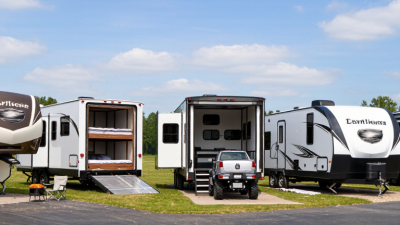
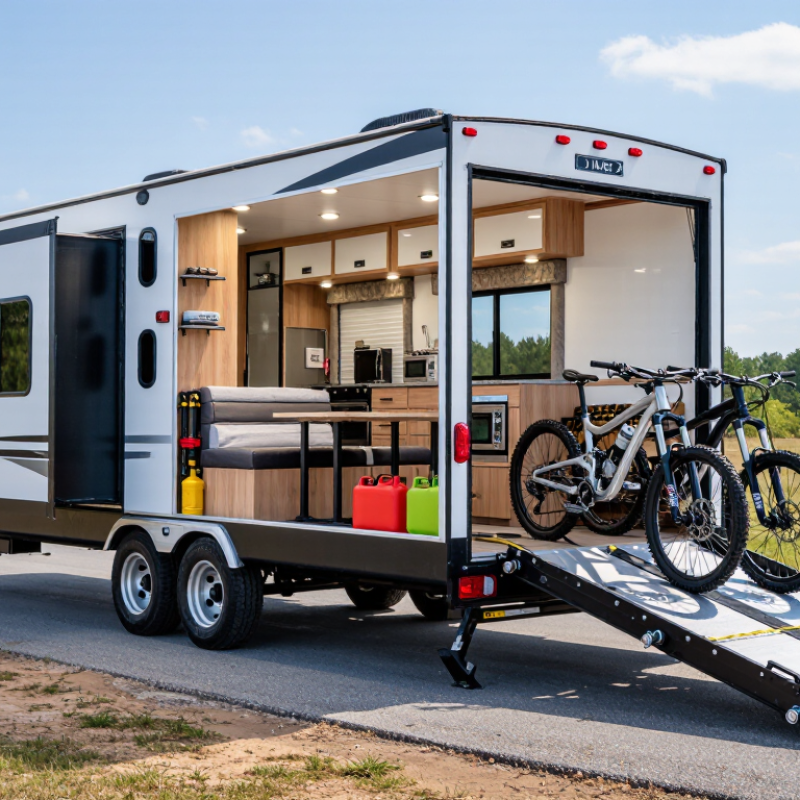
Think about what you will actually bring: a side-by-side, motorcycles, or bicycles, plus fuel, tools, and riding equipment. Measure the cargo carefully. Garage dimensions, tie-down locations, ramp angle, and door clearance can change whether loading feels easy or awkward. I have seen buyers focus on glossy interiors and miss a narrow ramp. It is an easy mistake, and worth avoiding.
This guide explains how to assess construction, storage, sleeping space, utilities, and towing compatibility before choosing a model. It also considers how your plans may change after a few trips. No brochure can answer every question. Walk through the unit, inspect the details, and ask a qualified dealer to verify weights and equipment for your specific setup. A little doubt is useful here. It can lead to a better fit.
Define the Toy-Hauler’s Garage, Cargo, and Travel Requirements
Define the garage around the largest toy you will actually carry, not a future wish list. Measure its length, width, height, and loaded weight, including fuel and accessories. Check the usable garage floor, rear-door opening, tie-down locations, and clearance around cabinets. Small gaps matter. A paper floor plan can look generous; measure anyway. Then compare the toy’s loaded weight with the trailer’s cargo carrying capacity. Reserve capacity for water, camping gear, and anything added after purchase. Also verify the fifth-wheel’s loaded pin weight against the tow vehicle’s payload and axle ratings. A strong tow rating alone does not settle that question.
Travel plans shape the floor plan. Record your usual passenger count, trip length, and overnight stops; note narrow roads, low branches, and the storage space you need at camp. The RV Industry Association’s 2021 RV Owner Demographic Profile estimated 11.2 million U.S. households owned an RV. Its 2024 shipment report recorded 333,733 wholesale RV shipments. Those are market figures, not sizing advice. Your measurements matter more. For weight checks, use the trailer’s certification labels and the tow vehicle’s door-jamb ratings; the National Highway Traffic Safety Administration’s towing guidance also explains the importance of staying within vehicle and trailer limits. Leave room for uncertainty. Gear accumulates, and brochures cannot show every awkward loading angle.
Check Truck GVWR, GCWR, Payload, and SAE J2807 Tow Rating
Before choosing a fifth-wheel toy hauler, check the truck’s door-jamb payload label, not just its advertised tow rating. Payload must cover passengers, cargo, hitch hardware, and the trailer’s pin weight. A fifth-wheel’s pin load can consume payload quickly. The truck’s GVWR limits its loaded weight; GCWR limits the truck and trailer together. NHTSA’s tire and loading information requirements direct owners to the vehicle’s certification label for load limits. Check the sticker. Then weigh the loaded truck and trailer if possible.
SAE J2807, Performance Requirements for Determining Tow-Vehicle Gross Combination Weight Rating and Trailer Weight Rating, sets standardized tests for tow ratings. Its procedures include a launch on a 12% grade and a 40-mph passing test. These figures describe test conditions, not a promise that every truck configuration has the same capacity. Compare the exact truck configuration’s SAE J2807 tow rating with the toy hauler’s loaded weight, including water, fuel, toys, and supplies.
The awkward part: brochure weights rarely match a real departure-day setup. Pin weight also presses on the truck’s rear axle, so check its axle rating and tire limits. Keep a margin below every limit; matching one number is not enough. A spreadsheet can still mislead. Scale readings reveal what estimates miss.
Estimate Pin Weight Using the Common 15–25% Fifth-Wheel Planning Range
A practical starting point is to estimate pin weight as 15–25% of the fifth wheel’s loaded weight. For a toy hauler weighing 16,000 pounds when ready to travel, that range is 2,400–4,000 pounds. That load sits in the tow vehicle, alongside passengers, fuel, and cargo. Payload can disappear quickly.
Treat this as a screening estimate, not a specification. SAE International’s J2807 standard describes a consistent method for evaluating vehicle towing performance; it does not replace the tow vehicle’s payload rating or the trailer’s measured weights. Check the vehicle’s door-jamb payload label, then compare it with the loaded pin weight and everything else carried in the truck. Toy-hauler cargo placement matters: a motorcycle near the front may increase pin load, while rear cargo can shift it. Small changes count. Weigh the combination in travel-ready condition, ideally with separate axle readings, and verify hitch limits too. I would not plan around the lowest estimate just to make the numbers fit; real loading is rarely that tidy.
Compare Trailer GVWR, Cargo-Carrying Capacity, and Axle Ratings
Choosing a fifth-wheel toy hauler means checking three numbers together:
trailer GVWR, cargo-carrying capacity (CCC), and axle ratings.
The RV Industry Association’s 2024 year-end shipment report recorded 333,733 wholesale RV shipments, up 6.6% from 2023. That broad market figure says little about any one trailer’s capacity, so use its certification labels and weight documents instead. GVWR is the trailer’s maximum loaded weight. CCC is generally GVWR minus unloaded vehicle weight; options, water, fuel, and gear can reduce what remains. For example, a 16,000-pound GVWR and 13,800-pound unloaded weight leave about 2,200 pounds of rated cargo capacity.
Axle ratings set limits for the loads carried by the axles, but adding them does not replace the trailer’s GVWR. A fifth wheel also transfers pin weight to the tow vehicle, using its payload capacity. Get the trailer weighed in travel-ready condition, with the toy, supplies, and fluids aboard. Compare actual axle and pin loads with the labels, and check the truck’s payload and hitch limits too. Close counts. I’d leave a margin; estimates are easy to get wrong.
Tips:
Before buying, ask for the actual weight sheet and tire-pressure specifications. Verify each axle load at a certified scale, then recheck after moving heavy gear. A floor plan can look perfect, yet its cargo allowance may feel surprisingly tight.
Verify Ramp, Tie-Down, and Garage Limits Against Manufacturer Specs
How to Choose a Fifth Wheel Toy Hauler in 2026
Check the ramp, garage floor, tie-downs, and vehicle ratings separately. A published ramp limit does not confirm the garage floor or anchor points can handle the same load. Get the manufacturer’s ratings in writing, including tie-down working-load limits and any required load distribution. Numbers matter.
RVIA recorded 333,733 wholesale RV shipments in 2024; that market figure offers context, but it cannot verify an individual unit’s capacity (RVIA, December 2024 shipment report).
Measure your actual equipment, then compare its weight and footprint with the garage specifications. Include fuel, accessories, and anything stored beside it. A compact machine can still exceed an anchor’s rating when secured poorly. I would not trust a sturdy-looking ramp as evidence. I would check the owner’s manual and ask how its rating applies to concentrated wheel loads.
Then weigh the loaded trailer at a certified scale and compare the results with its GVWR and axle ratings. Check the tow vehicle’s payload and hitch limits too, using its certification label and manufacturer guidance; NHTSA’s vehicle-loading guidance explains why those ratings matter. Leave margin. Real loads shift, and my first estimate may be wrong.