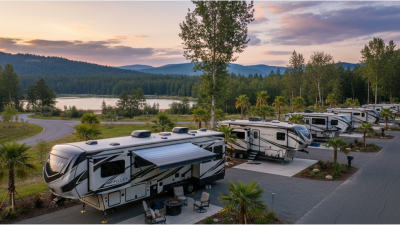
Choosing among the top 10 5th wheels for sale worldwide in 2026 requires more than comparing glossy brochures. Buyers must examine towability, construction quality, interior space, climate control, warranty support, and long-term ownership costs. A spacious kitchen means little if the trailer exceeds the truck’s safe towing limits.
RV education expert Mark Polk offers a useful principle: “Match the RV to your tow vehicle, not your wish list.” That advice remains practical. A buyer should check payload ratings, hitch weight, axle capacity, braking systems, and tire specifications before visiting a dealer. Real-world experience matters too. A 5th wheel that feels stable on a dry highway may behave differently on steep grades, crosswinds, or crowded campsites.
This guide compares ten leading models available across international markets in 2026. The selection considers build materials, floor-plan efficiency, sleeping capacity, insulation, storage, service access, and manufacturer reputation. Some models impress with residential finishes. Others focus on lighter weight, easier maneuvering, or better value.
No ranking is perfect.
Market availability changes by country, currency, and dealer network. Regional standards may also affect equipment and support. Therefore, readers should verify current specifications and local service coverage before purchasing. The ideal 5th wheels choice is not always the largest or most luxurious. It is the one that fits the truck, travel habits, budget, and maintenance expectations without creating unnecessary compromises.
Top 10 5th Wheels for Sale Worldwide in 2026?
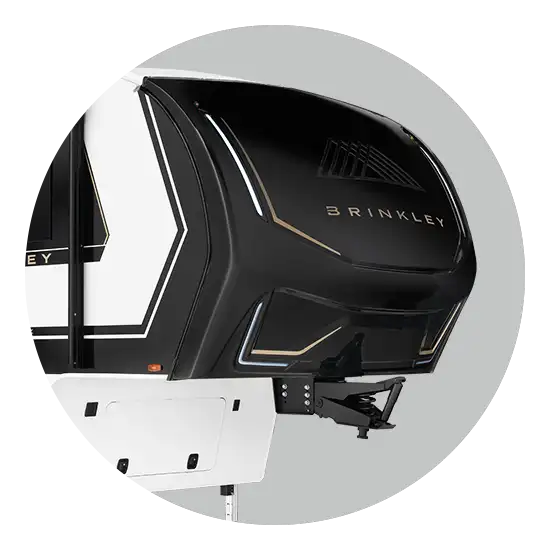
A fifth wheel is a towable recreational trailer with a raised front section. It connects to a truck-mounted hitch inside the cargo bed. This design improves weight distribution and creates more interior space. It differs from a conventional travel trailer, which uses a rear-frame hitch.
The global market is growing, but the data needs careful reading. The RV Industry Association’s 2024 Industry Profile estimated 11.2 million United States households owned an RV. Its shipment reports also show fifth wheels remain a major towable category. Research and Markets projects continued expansion in the global recreational vehicle sector through 2030, supported by domestic tourism, remote work, and longer road trips. North America still leads fifth-wheel adoption. Australia and parts of Europe show interest, although vehicle regulations, road widths, and towing customs vary. Some international listings use different classifications. That makes direct global comparisons imperfect.
Tips: Check the truck’s payload before comparing floor plans. A large kitchen may hide a heavy hitch load. Measure campsite length, turning space, and storage height. Ask sellers for verified weight records, warranty terms, and inspection history. Reports provide useful direction, not certainty. Regional demand can change quickly, and 2026 pricing may reflect currency shifts, freight costs, and local taxes.
Representative 2026 market configurations ranked by versatility, availability, towing practicality, and suitability for international recreational-vehicle use
| Rank | Fifth-Wheel Configuration | Primary Use | Typical Exterior Length | Typical Unloaded Weight | Typical GVWR | Sleeping Capacity | Slide-Outs | Indicative 2026 Price Range (USD) | Common Market Availability |
|---|---|---|---|---|---|---|---|---|---|
| 1 | Compact couples fifth wheel | Long-distance touring for two adults | 25–30 ft (7.6–9.1 m) |
7,000–10,000 lb (3,175–4,536 kg) |
10,000–13,000 lb (4,536–5,897 kg) |
2–4 | 1–2 | $45,000–$85,000 | North America, Australia, New Zealand |
| 2 | Mid-size rear-living fifth wheel | Comfortable full-season travel and extended stays | 30–35 ft (9.1–10.7 m) |
9,000–12,500 lb (4,082–5,670 kg) |
12,000–16,000 lb (5,443–7,257 kg) |
2–4 | 2–3 | $65,000–$115,000 | North America, selected export markets |
| 3 | Family bunkhouse fifth wheel | Families requiring separate sleeping areas | 32–38 ft (9.8–11.6 m) |
11,000–15,000 lb (4,990–6,804 kg) |
14,000–18,000 lb (6,350–8,165 kg) |
6–10 | 2–4 | $75,000–$135,000 | North America, Australia |
| 4 | Luxury front-living fifth wheel | Premium residential-style accommodation | 35–42 ft (10.7–12.8 m) |
14,000–18,500 lb (6,350–8,391 kg) |
17,000–22,000 lb (7,711–9,979 kg) |
2–4 | 3–5 | $110,000–$220,000 | North America, limited international import |
| 5 | Toy-hauler fifth wheel | Motorcycles, recreational equipment, and outdoor gear | 32–44 ft (9.8–13.4 m) |
12,000–18,000 lb (5,443–8,165 kg) |
16,000–22,000 lb (7,257–9,979 kg) |
4–8 | 2–4 | $85,000–$180,000 | North America, Australia, selected Middle East markets |
| 6 | Extended-stay residential fifth wheel | Seasonal living, work travel, and fixed-site use | 36–42 ft (11.0–12.8 m) |
13,000–18,000 lb (5,897–8,165 kg) |
16,000–22,000 lb (7,257–9,979 kg) |
2–6 | 3–5 | $100,000–$210,000 | North America, regional campground markets |
| 7 | Heavy-duty four-season fifth wheel | Cold-weather travel and year-round camping | 30–40 ft (9.1–12.2 m) |
11,000–17,000 lb (4,990–7,711 kg) |
14,000–21,000 lb (6,350–9,526 kg) |
2–6 | 2–4 | $80,000–$170,000 | Canada, United States, northern Australia |
| 8 | Entry-level lightweight fifth wheel | First-time owners and lighter-duty tow vehicles | 24–29 ft (7.3–8.8 m) |
5,500–8,000 lb (2,495–3,629 kg) |
7,500–10,500 lb (3,402–4,763 kg) |
2–5 | 0–2 | $35,000–$70,000 | North America, emerging export markets |
| 9 | Off-grid expedition fifth wheel | Remote travel with limited utility connections | 25–36 ft (7.6–11.0 m) |
8,000–14,000 lb (3,629–6,350 kg) |
11,000–17,000 lb (4,990–7,711 kg) |
2–6 | 0–3 | $70,000–$160,000 | Australia, North America, southern Africa |
| 10 | Used premium fifth wheel | Value-focused buyers seeking large layouts | 28–42 ft (8.5–12.8 m) |
8,000–18,000 lb (3,629–8,165 kg) |
11,000–22,000 lb (4,990–9,979 kg) |
2–8 | 1–5 | $30,000–$125,000 | North America, Australia, Europe through import channels |
A fifth wheel is a towable recreational vehicle connected to a pickup or heavy-duty tow vehicle through a raised hitch mounted over or slightly ahead of the rear axle. Prices and specifications are indicative 2026 market ranges; actual figures vary according to construction, optional equipment, age, exchange rates, taxes, import duties, and local certification requirements.
Top 10 5th Wheels for Sale Worldwide in 2026
Comparing fifth wheels worldwide requires more than counting bedrooms or slide-outs. The RV Industry Association reported 342,220 wholesale recreational vehicle shipments in 2024, showing strong demand despite economic pressure. That demand makes careful comparison more important. A larger floor plan may feel impressive, but its pin weight can exceed a pickup’s rated payload. Check the tow vehicle, axle ratings, braking system, and hitch capacity together. Never trust brochure weight alone.
Key Factors for Comparing Fifth Wheels Worldwide
Start with real operating conditions. A 40-foot fifth wheel may fit American highways, yet struggle on narrow European roads or crowded Asian campsites. Measure total length, turning clearance, height, and legal width in the destination country. Tank sizes also matter. A 100-gallon freshwater tank adds substantial weight before luggage, food, and tools are loaded. It is easy to underestimate this.
The International Energy Agency reported that global battery-electric car sales exceeded 17 million in 2024, but electric tow vehicles remain limited for heavy trailers. Fuel type and charging access therefore affect practical ownership. Compare insulation, heating output, ventilation, and thermal windows for cold regions. J.D. Power’s recent RV ownership research repeatedly highlights reliability and service access as major satisfaction factors. Warranty language deserves slow reading. Some details still get missed. Check parts availability, technician coverage, resale evidence, and total maintenance costs across borders.
Key Factors for Comparing Fifth Wheels Worldwide
The chart compares representative fifth-wheel configurations using indicative 2026 new-market prices in USD. Prices are based on common published specification ranges and can vary by country, taxes, freight, equipment, and dealer options. Buyers should also compare towing capacity, gross vehicle weight rating, interior length, sleeping capacity, climate insulation, and service availability.
The best fifth wheels for sale in 2026 are not simply the largest or most expensive. They should match your tow vehicle, travel habits, climate, and budget. My comparison focuses on usable layouts, build details, towing demands, and long-term comfort.
The ten strongest choices include a compact couples model, a lightweight fifth wheel, a family bunkhouse, and a rear-living layout. A front-bedroom design suits travelers who value privacy. A four-season model adds insulated tanks and enclosed underbelly protection.
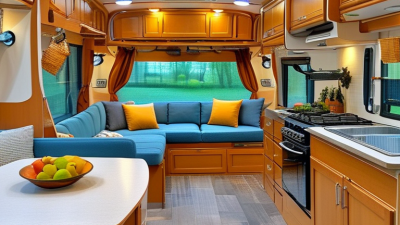
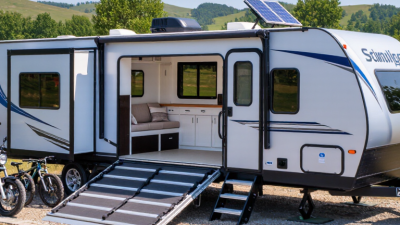
Toy-hauler fifth wheels offer space for motorcycles or outdoor equipment. Luxury layouts provide larger kitchens, residential seating, and stronger climate control. Accessible floor plans can improve movement inside the cabin. A well-maintained used fifth wheel may deliver better value than a new entry-level unit.
Check the gross vehicle weight rating, hitch capacity, axle limits, and pin weight before viewing any fifth wheel. A spacious interior means little if your truck struggles on steep roads. Inspect roof seams, slide seals, suspension parts, plumbing, and appliance operation. I have found that small water stains often deserve serious attention. Do not rely on polished photographs.
Prices and equipment vary by region, so confirm local service support and parts availability. Solar systems, lithium batteries, and upgraded insulation sound attractive, but installation quality matters more. My ranking is useful, not perfect. Personal needs can quickly change the order.
Top 10 5th Wheels for Sale Worldwide in 2026?
This 2026 shortlist focuses on features, prices, and realistic uses. The compact couples model costs about $45,000–$70,000 and suits weekend touring. The family bunkhouse, priced near $65,000–$105,000, adds separate sleeping space and outdoor storage. A mid-size rear-living trailer may cost $70,000–$115,000, offering theater seating and a quieter bedroom. The luxury residential model ranges from $120,000–$220,000, with stronger insulation, washer connections, and larger kitchens. Prices vary widely after taxes and shipping.
For remote work, a model with a dedicated desk, lithium-ready wiring, and a 3,000-watt inverter is practical. Expect $80,000–$140,000. The toy-hauler, around $75,000–$150,000, carries bicycles or tools, but its ramp adds weight. The four-season model costs $90,000–$170,000 and needs heated tanks, enclosed plumbing, and tested insulation. A lightweight fifth wheel, from $50,000–$85,000, works better with smaller tow vehicles. The extended-stay model, near $85,000–$160,000, provides larger tanks and pantry space. The accessible layout, often $90,000–$180,000, may include wider doors and a low-entry bathroom. Finally, a custom expedition layout can exceed $200,000. Impressive, but not always sensible.
Tips: Check the loaded weight, hitch rating, tire date, roof seals, and service records. Ask for cold-weather testing evidence. Measure your storage site carefully. I would not trust glossy photos alone; small defects often appear around slide-outs and windows. Local registration rules, road width, and repair access can change the best choice.
When comparing the top fifth wheels for sale worldwide in 2026, begin with your travel habits. A compact model may suit weekend trips, while full-time living demands stronger storage and insulation. Check the gross vehicle weight rating, hitch weight, and available payload carefully. Your truck’s rated towing capacity should exceed the loaded trailer’s weight with a safe margin. Do not rely on dry weight alone. Real cargo adds up.
Walk through each floor plan as if you were using it on a rainy day. Can two people cook, work, and move around comfortably? Measure the bed, bathroom, and storage openings before buying furniture. Inspect roof seams, slide-out seals, window frames, and underbelly panels for moisture damage. A polished interior can hide expensive problems. Ask for maintenance records and arrange an independent inspection, even for a new unit.
Think about climate, road conditions, and available service near your usual routes. Cold-weather camping needs reliable heating and protected plumbing, while hot regions require ventilation and effective cooling. Check tire age, suspension components, braking systems, and electrical capacity.
I once underestimated storage needs and carried loose equipment inside the living area; it made travel noisy and unsafe. That mistake changed how I judge layouts.
A simple checklist helps, but it cannot replace a careful test drive and honest questions about ownership costs.