10 Best Toy Hauler Trailers for Every Budget?

Choosing among toy hauler trailers can feel more complicated than comparing simple travel trailers. A suitable model must carry motorcycles, ATVs, bicycles, or workshop equipment without sacrificing sleeping comfort. It also needs dependable brakes, practical storage, stable towing manners, and a floor plan that fits your routine. This guide examines ten strong options across different budgets, from compact entry-level units to spacious premium models. Price matters, but it should not control every decision.

Look closely at cargo capacity, ramp design, insulation, tank sizes, hitch weight, and warranty support. A glossy interior may impress you during a short dealership visit. It may feel very different after a wet weekend at a crowded campsite. That detail matters. We consider real-use questions, including loading space, bed access, ventilation, maintenance, and everyday livability. Manufacturer specifications provide a useful starting point, while independent reviews and owner feedback can reveal limitations. No list is perfect. Tow vehicles, payload ratings, and personal equipment differ widely. A trailer that suits one family may feel cramped or overloaded for another. Therefore, each recommendation is presented with clear strengths, trade-offs, and realistic budget expectations. Before buying, verify current specifications with the manufacturer or dealer. Models can change, and advertised prices may exclude taxes, delivery, upgrades, or essential equipment. With careful comparison, this list can help you narrow the choices and avoid paying for features you may rarely use.
10 Best Toy Hauler Trailers for Every Budget?

What Is a Toy Hauler Trailer and Who Is It For?

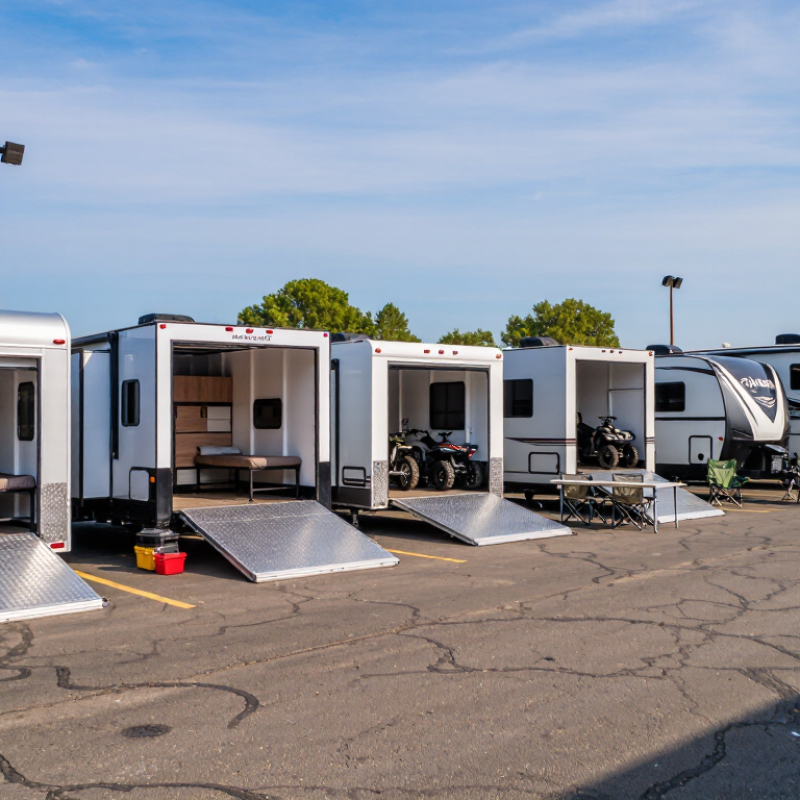
A toy hauler trailer combines a living area with a rear garage for recreational equipment. The garage usually includes a ramp door, tie-down points, and durable flooring. Some layouts use the garage as a bedroom, dining space, or outdoor patio after unloading. It is designed for riders, cyclists, campers, and families carrying bulky equipment.

Choosing one depends on more than the purchase price. Check the trailer’s payload rating before loading motorcycles, fuel-free gear, tools, water, food, and clothing. The combined weight can rise quickly. Measure your equipment carefully, including mirrors and handlebars. A narrow garage may look practical online but feel frustrating at a campsite. I have also found that extra storage often matters more than decorative interiors. Still, heavier trailers may require a more capable tow vehicle and increase travel costs.

Tips: Confirm the tow vehicle’s rated capacity, hitch limits, and braking requirements. Inspect ramp strength and tie-down placement. Ask for the unloaded vehicle weight, not just the advertised floor plan. Leave a safety margin instead of loading to the maximum. Check ventilation, tire condition, and water leaks before every trip. A small notebook can help track loaded weights, though many owners skip this useful habit.
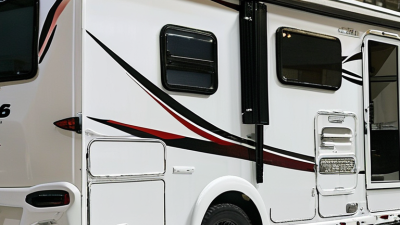

Key Features to Compare Before Buying a Toy Hauler

Choosing among ten toy hauler trailers starts with measuring your actual gear, not trusting glossy floor plans. Check the ramp width, garage length, ceiling height, and tie-down locations. Payload includes passengers, water, fuel, tools, and recreational equipment. A spacious trailer can become unsafe when overloaded.

Before buying, compare axle ratings, tire load ranges, suspension, brakes, and hitch requirements. Electric brakes should respond evenly during a controlled test. Inspect roof seals, welds, cabinet fasteners, and ramp hinges closely. Small defects may become expensive after repeated travel. A higher axle rating does not automatically mean a better ride. Weight distribution still matters.

Inside, compare fresh-water capacity, battery size, ventilation, insulation, and storage access. A washable floor and floor drain can matter more than decorative seating. Park your heaviest equipment inside and check whether it blocks beds, cabinets, or emergency exits. I still find floor plans easy to misjudge. Walk through the space with tape on the floor if possible. Request a full weight sheet, not a casual estimate. Include hitch work, brake equipment, insurance, storage, tires, and maintenance in your budget. Cheap upfront can become expensive.

10 Best Toy Hauler Trailers for Every Budget? — Key Features to Compare Before Buying a Toy Hauler
Rank Toy Hauler Type Typical New Price Overall Length Garage Length GVWR Approx. Cargo Capacity Sleeping Capacity Best For Important Features to Compare
1 Compact Single-Axle Toy Hauler $18,000–$28,000 18–22 ft 8–10 ft 5,000–6,500 lb 1,500–2,500 lb 2–4 First-time buyers, motorcycles, small ATVs, and weekend trips Low towing weight, single-axle maintenance, fold-down ramp, compact kitchen, and sufficient payload for the intended vehicle
2 Lightweight Tandem-Axle Toy Hauler $24,000–$38,000 22–26 ft 10–12 ft 7,000–9,500 lb 2,500–3,500 lb 4–6 Small families needing more stability and living space Tandem-axle handling, electric brakes, adequate tongue weight, bunk or convertible beds, and a ramp rated for the loaded vehicle
3 Mid-Size Travel Toy Hauler $32,000–$52,000 26–30 ft 12–14 ft 9,000–12,000 lb 3,000–4,500 lb 4–6 Families carrying one ATV, dirt bikes, or multiple motorcycles Garage tie-down points, reinforced flooring, residential-height storage, larger fresh-water tank, and a properly sized tow vehicle
4 Family Toy Hauler with Separate Garage $42,000–$68,000 30–34 ft 12–15 ft 11,000–14,000 lb 3,500–5,000 lb 6–8 Families that want sleeping privacy and a dedicated cargo area Separate garage door, drop-down bunks, bathroom ventilation, cargo-area insulation, and adequate holding-tank capacity
5 Luxury Travel Toy Hauler $58,000–$90,000 32–38 ft 13–16 ft 13,000–17,000 lb 4,000–6,000 lb 6–8 Longer stays and buyers wanting upgraded residential comfort Dual air conditioning, larger refrigerator, enclosed underbelly, power awnings, upgraded suspension, and a strong onboard electrical system
6 Heavy-Duty Fifth-Wheel Toy Hauler $75,000–$125,000 35–43 ft 13–18 ft 16,000–22,000 lb 5,000–8,000 lb 6–8 Large off-road vehicles, extended travel, and full-size pickup owners Fifth-wheel hitch compatibility, high pin weight, hydraulic leveling, reinforced ramp, large water capacity, and sufficient rear-axle payload
7 Premium Fifth-Wheel with Garage Suite $105,000–$175,000 38–45 ft 13–18 ft 20,000–26,000 lb 6,000–10,000 lb 6–8 Owners transporting larger vehicles while keeping a separate living area Garage suite or loft, residential furniture, multiple slide-outs, heavy-duty suspension, generator preparation, and high-capacity electrical service
8 Off-Grid Toy Hauler $45,000–$85,000 25–35 ft 10–16 ft 10,000–18,000 lb 3,000–7,000 lb 4–7 Remote camping, trail riding, and areas with limited hookups Solar charging, inverter capacity, battery storage, larger fresh-water tank, enclosed plumbing, ground clearance, and all-terrain stability
9 Garage-Conversion Toy Hauler $30,000–$60,000 26–34 ft 14–18 ft 10,000–16,000 lb 4,000–7,000 lb 2–6 Buyers prioritizing workshop space, gear storage, or flexible floor plans Removable furniture, washable flooring, garage ventilation, tie-down spacing, ramp capacity, and the effect of cargo placement on axle weights
10 Used Full-Size Toy Hauler $15,000–$55,000 28–43 ft 10–18 ft 10,000–26,000 lb 3,000–10,000 lb 4–8 Budget-conscious buyers who want maximum space for the money Water damage inspection, roof condition, tire age, brake operation, appliance testing, service records, axle ratings, and title history
Prices are typical planning ranges and can vary by size, age, construction, options, region, taxes, and dealer fees. Always verify the trailer’s actual GVWR, unloaded vehicle weight, cargo-carrying capacity, tongue or pin weight, hitch rating, and tow-vehicle payload before buying.

Ten Best Toy Hauler Trailers for Different Budgets

Ten Best Toy Hauler Trailers for Different Budgets

A compact fold-down hauler suits riders needing basic shelter and low towing weight. A lightweight single-axle model works for small vehicles and weekend trips. An entry-level bumper-pull trailer adds a kitchenette, bed, and rear ramp without a large monthly payment. A used mid-size hauler can provide more storage, but its floor, seals, and brakes need careful inspection. I have found water damage hiding beneath attractive interior panels. That mistake can become expensive.

A family bunk hauler offers separate sleeping space and a practical garage area. A rear-load model keeps the ramp wide and loading simple for bicycles or small utility vehicles. An off-road hauler brings stronger clearance, protective panels, and tougher suspension for uneven campsites. However, advertised capability does not replace checking axle ratings. A modular garage trailer lets owners change sleeping and cargo layouts, which helps growing families. Its flexibility may reduce built-in comfort.

A fifth-wheel hauler provides a stable ride and substantial living space for longer stays. It requires a properly equipped tow vehicle and careful hitch measurements. A luxury high-capacity hauler includes larger tanks, stronger climate control, and residential-style storage. It costs more to purchase and maintain. For buyers with the largest budgets, a premium multi-axle model offers generous payload and refined finishes. Still, weight should guide the decision, not appearance. Compare cargo capacity, tire dates, warranty terms, and service access before choosing any trailer.

How to Match Trailer Size, Capacity, and Layout to Your Needs

10 Best Toy Hauler Trailers for Every Budget?

Choosing a toy hauler starts with your cargo, not the floor plan. Measure the motorcycle, tools, fuel containers, and loading clearance. A compact 20–24-foot trailer may suit one small bike and weekend trips. Larger 25–30-foot models offer beds, bathrooms, and stronger storage capacity. However, extra length can reduce maneuverability and increase towing demands.

Check GVWR, unloaded vehicle weight, cargo carrying capacity, and hitch limits together. Cargo carrying capacity equals GVWR minus unloaded vehicle weight. Aim to keep loaded weight comfortably below your tow vehicle’s maximum rating. Tongue weight often falls near 10–15% of the loaded trailer, but actual balance depends on cargo placement. The 2023 RV Industry Association Statistical Survey recorded 313,174 wholesale RV shipments, showing a large and varied market. Those figures indicate demand, not suitability. A popular layout can still be wrong for your driveway.

Tips: Load the heaviest item low and slightly forward of the axles. Weigh the trailer after loading. Do not trust brochure capacity alone. Use certified scale readings and your vehicle’s actual payload sticker. The Federal Motor Carrier Safety Administration stresses checking combined ratings and secure load distribution. I have seen buyers measure the garage area, then forget ramp angle and door height. That small mistake can ruin an otherwise practical purchase. A second inspection helps.

10 Best Toy Hauler Trailers for Every Budget? — How to Match Trailer Size, Capacity, and Layout to Your Needs

Typical cargo-carrying capacity increases as toy hauler length and floor space grow. Use this comparison to narrow your search by load requirements before evaluating price and layout.

Values represent realistic typical capacity estimates for comparable toy hauler travel-trailer layouts. Always verify the manufacturer’s cargo-carrying capacity, gross vehicle weight rating, hitch limits, and available payload for the specific trailer and tow vehicle.

Ownership Costs, Safety Checks, and Essential Buying Tips

Choosing among the 10 best toy hauler trailers requires more than comparing purchase prices. Ownership costs include registration, insurance, storage, maintenance, tires, and fuel. A trailer with a low sticker price may need new seals, brakes, or flooring. That adds up quickly. I once underestimated generator servicing and replacement batteries, which changed the real budget. Leave room for repairs.

Before buying, inspect the frame, roof seams, suspension, and loading ramp in daylight. Look for soft flooring near sinks and dark marks around windows. Test every light, brake controller, appliance, water pump, and cargo door. Check tire age, not only tread depth. Measure twice. Ask for maintenance records and confirm the loaded weight suits your tow vehicle. A qualified trailer technician can identify problems hidden by fresh paint.

Safety depends on correct loading and careful weight control. Keep heavy equipment low, secure it with rated restraints, and distribute weight evenly. Practice turning, braking, and reversing in an empty parking area. Recheck wheel fasteners after the first trip and inspect hitch connections before every departure. Buying used can save money, but skipping a professional inspection is a risky shortcut. Compare floor plans honestly: a larger garage may reduce living space, while extra amenities increase maintenance and power demands. Some features look impressive but rarely earn their cost.