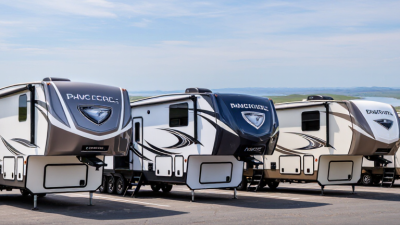
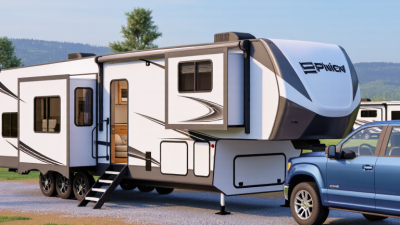
Choosing the best fifth wheel travel trailer is not simply a matter of size, price, or glossy interiors. It is a practical decision involving towing capacity, floor-plan design, insulation, service access, and long-term ownership costs. A trailer may look impressive on a dealership lot, yet feel awkward beside a narrow campsite. That matters.
The RV Industry Association’s 2024 Economic Impact Study estimated that the recreational vehicle industry contributes approximately $140 billion to the U.S. economy and supports more than 650,000 jobs. Its market research also reported about 11.2 million American households owning an RV. These figures show strong demand, but they do not identify one perfect fifth wheel travel trailer for every buyer. Family size, truck payload, travel frequency, and climate change the answer.
Frank Hugelmeyer, president and CEO of the RV Industry Association, has stated, “The RV industry is a significant contributor to the U.S. economy.” His perspective reinforces the industry’s scale, but buyers still need evidence at the product level. Manufacturer specifications, independent inspections, warranty records, and owner feedback deserve equal attention. Some published weights also exclude cargo, water, batteries, or dealer-installed options. That small detail can become a serious towing problem.
This guide compares leading fifth wheel travel trailer types through those real-world factors. Expect discussion of livability, construction, towing stability, storage, maintenance, and value. No single model wins everywhere. That is the uncomfortable truth. The best choice may be less luxurious, but better matched to your truck, route, and camping habits.
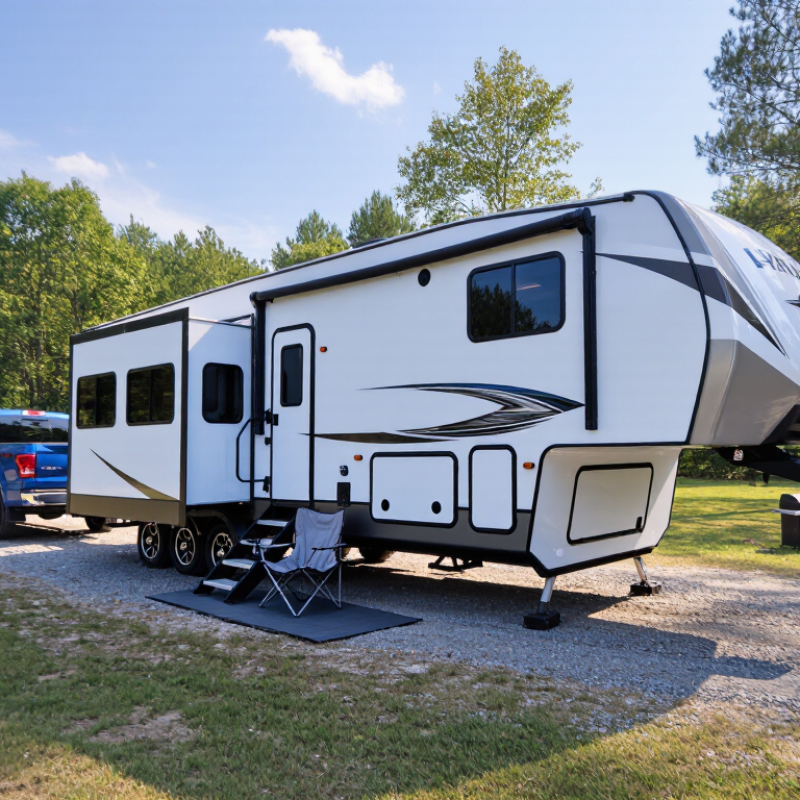
The best China fifth wheel travel trailer is defined by measurable safety, balanced weight, and practical living space. The 2023 RV Industry Association report recorded 313,174 wholesale recreational vehicle shipments in North America. Towable models represented most of that market, showing strong demand for efficient trailer design.
A capable fifth wheel should keep its center of gravity low. Its pin weight must match the tow vehicle’s rated payload, not just its engine power. Braking performance, tire load ratings, suspension travel, and frame weld quality deserve independent inspection. Applicable Chinese GB requirements should be verified before export, while ISO 9001 certification can indicate controlled manufacturing processes. It does not prove complete road safety.
Inside, the best layout feels calm at a campsite. A 12-volt refrigerator, insulated walls, sealed windows, and accessible service panels matter more than decorative panels. Water tanks should have protected fittings, and wiring should be labeled clearly. Industry testing also favors weight transparency, yet some listings still provide optimistic figures. That needs questioning. A lighter trailer may tow easily, but thin insulation can create heat loss and condensation. I would inspect a finished unit in person, measure axle loads, and request test records. Small omissions can become expensive repairs.

A practical 100-point evaluation model based on the factors that most affect safety, comfort, durability, and daily usability.
The model gives the greatest weight to structural safety, insulation, climate control, and efficient interior layout. Towing compatibility, water and electrical systems, and long-term service support complete the assessment. These are category weights rather than company or brand ratings.
What Is the Best China Fifth Wheel Travel Trailer?
Key Features to Compare Among Chinese Fifth Wheel Trailers
The best Chinese fifth wheel trailer depends on weight, climate, and service access. The RV Industry Association’s 2023 Industry Profile reports that towable RVs represented about nine in ten U.S. RV shipments. This supports their popularity, but shipment volume does not prove quality. Compare the trailer’s gross vehicle weight rating, pin weight, axle capacity, and braking system. A suitable tow match matters more than a large floor plan. During practical inspections, I check frame welds, suspension joints, tire load ratings, and the coupling mechanism. Small defects can become expensive.
Interior comfort needs technical attention. Look for continuous insulation, sealed windows, roof ventilation, and protected water lines. Ask for thermal test results, not only attractive photographs. Electrical systems should show clear battery capacity, inverter output, charger ratings, and circuit protection. The Recreation Vehicle Industry Association also emphasizes water, propane, and electrical safety in its consumer guidance. However, specifications can be incomplete. That is a weakness worth admitting. Verify every figure with factory documents and an independent inspection.
Tips: Measure your tow vehicle first. Keep payload below its certified limit. Inspect the fifth-wheel hitch under load. Test every appliance before payment. Check whether replacement seals, tires, and controllers are locally available. J.D. Power’s RV quality research consistently shows that early ownership problems often involve appliances, plumbing, and electrical components. A quieter pump and stronger furniture are useful, but service response may matter more. Look beyond polished interiors. Ask difficult questions.
A good fifth wheel trailer should feel solid before it looks attractive. During an inspection, I check welds, frame joints, and suspension mounts for uneven finishing or fresh paint hiding repairs. The floor should feel firm underfoot, not soft near the bathroom or kitchen. Open every cabinet. Loose hinges often reveal rushed assembly. I also examine roof seals, window edges, and slide-out corners. Small gaps can become expensive leaks after one rainy season. My judgment is not perfect, so I use a moisture meter and request an independent inspection.
Safety deserves stricter attention than decoration. Confirm the trailer’s rated weight, axle capacity, hitch limits, and payload on official documents. The braking system should respond evenly during a controlled test. Inspect tires for correct load ratings, proper age, and visible damage. Check lighting, emergency exits, smoke alarms, gas connections, and fire protection equipment. Requirements vary by destination, so local registration and road rules must be verified before purchase. A seller’s verbal promise is not enough.
Comfort depends on details noticed after several hours inside. Sit on the bed, stand in the shower, and test ventilation with every window closed. Good insulation reduces heat transfer, while thoughtful storage prevents loose items from moving during travel. Listen for rattles during a road test. I once underestimated cabinet noise because the showroom floor was perfectly quiet. That mistake changed my inspection routine. Ask for service records, parts information, and clear warranty terms. Reliable support matters when a seal fails far from home.
Choosing the best China fifth wheel travel trailer starts with the tow vehicle, not the floor plan. A family pickup may handle a compact trailer, while a heavy-duty truck suits longer models with larger kitchens and slide-outs. Check the vehicle’s payload, rear-axle rating, hitch capacity, and maximum trailer weight. The SAE J2807 testing framework is useful, but it is not a personal safety guarantee.
The RV Industry Association’s 2024 industry data shows continued demand for towable recreational vehicles in North America. That trend reflects practical needs, not only holiday comfort. For weekend trips, a lighter fifth wheel with a simple water system reduces setup time and fuel use. For extended travel, choose stronger insulation, larger tanks, and reliable heating. A family of four may need separate sleeping areas. Couples often prefer a shorter body and easier campsite access.
Payload is frequently misunderstood. The hitch weight can consume much of a pickup’s available payload before luggage arrives. Two adults, bicycles, tools, and a full propane system add weight quickly. The 2024 North American Camping Report recorded 57.8 million camping households in 2023, showing how varied travel habits have become. I would not choose a trailer from brochure length alone. A test tow on uneven roads can reveal sway, poor braking, or an uncomfortable turning radius. My own preference can change after one crowded campsite. That is worth admitting. Data helps, but real loading conditions decide whether the trailer truly fits.
What Is the Best China Fifth Wheel Travel Trailer?
How to Choose a Reliable Chinese Fifth Wheel Manufacturer
Choosing a reliable Chinese fifth wheel manufacturer requires more than comparing prices. Inspect the factory’s production line, welding areas, and quality control records. A clean workspace does not prove everything, but it shows management discipline. Ask for material certificates, testing reports, and clear specifications for the frame, axles, brakes, insulation, and electrical system. These details reveal technical competence.
Request photos and videos from several production stages. Look for consistent welds, protected wiring, sealed roof joints, and evenly fitted cabinet doors. A dependable manufacturer should explain its inspection process without avoiding difficult questions. Confirm whether the trailer meets your destination’s road, lighting, braking, and certification requirements. Local compliance matters. So does after-sales support.
Speak with previous customers when possible. Ask about delivery accuracy, spare parts, warranty handling, and problems after the first long trip. During inspections, use a checklist and record measurements, because memory can be unreliable. I have seen attractive interiors hide weak storage hinges and poorly sealed openings. That was a useful warning. Factory promises still need independent verification.
A manufacturer should welcome third-party inspections before shipment. Review payment terms, production milestones, and final acceptance procedures in writing. Check whether replacement parts are available in standard sizes. Communication also deserves attention. Slow or vague answers during negotiations may become bigger problems later. No factory is perfect, and minor defects can happen. The important point is whether the manufacturer reports them honestly and corrects them promptly.
| Evaluation Dimension | Reliable Reference Data | Documents or Tests to Request | Why It Matters |
|---|---|---|---|
| Vehicle Weight Information | The specification sheet should separately state unloaded vehicle weight, gross vehicle weight rating, cargo carrying capacity, and maximum pin weight. | Manufacturer weight sheet, certified scale ticket, axle-rating plate, and final inspection record. | Clear weight data helps confirm tow-vehicle compatibility and prevents overloading. |
| Frame and Chassis | A documented steel frame design should include material specifications, weld procedures, corrosion protection, and load calculations appropriate to the trailer’s rated mass. | Engineering drawings, welding procedure records, material certificates, coating-process records, and chassis inspection photos. | The chassis carries dynamic road loads and directly affects durability and towing stability. |
| Axles, Suspension, and Tires | The combined axle rating should be suitable for the trailer’s gross vehicle weight rating, with tire load ratings matched to the actual axle loads. | Axle certificates, tire sidewall specifications, wheel-load calculations, suspension drawings, and torque records. | Correct load matching reduces the risk of tire, wheel, axle, and suspension failures. |
| Braking System | The trailer should use a braking system suitable for its rated mass and destination-market regulations, with documented brake-controller compatibility where required. | Brake-system drawings, stopping-distance or dynamometer test results, controller compatibility data, and regulatory conformity documents. | Adequate braking is essential for safe downhill control, emergency stops, and legal road use. |
| Waterproofing and Exterior Sealing | Roof joints, window frames, doors, storage compartments, and service penetrations should have defined sealing materials and documented inspection points. | Controlled water-ingress test report, sealant specifications, roof inspection checklist, and production photographs. | Water intrusion can cause hidden structural damage, mold, insulation failure, and interior deterioration. |
| Electrical and Gas Safety | Electrical circuits should be protected by correctly rated devices, while gas systems should include approved components, ventilation, leak checks, and clearly labeled shut-off points. | Wiring diagrams, insulation and polarity test records, gas-pressure or leak-test records, appliance certificates, and ventilation details. | Proper installation reduces fire, electric-shock, carbon-monoxide, and gas-leak risks. |
| Destination-Market Compliance | The trailer should be designed and documented for the laws of the intended sales market, including lighting, dimensions, braking, coupling, electrical, gas, and identification requirements. | Applicable conformity assessment, test reports, technical file, identification-plate layout, and export-market compliance checklist. | A trailer that meets only domestic requirements may not be registrable or legal in another country. |
| Quality Management | A mature factory should use incoming-material inspection, traceable production records, controlled assembly procedures, and final quality checks. | Valid quality-management certificate, inspection plans, nonconformity records, batch traceability, and final inspection checklist. | Repeatable processes are more reliable than verbal quality promises or appearance-based inspections. |
| Factory Verification | The legal manufacturer, factory address, production capacity, inspection area, and subcontracted processes should be clearly disclosed. | Business license, factory audit, live production video, equipment list, staff quality responsibilities, and reference export records. | Factory verification helps distinguish a real manufacturer from a trading intermediary with limited technical control. |
| Warranty and After-Sales Support | Warranty coverage should define duration, exclusions, claim evidence, labor responsibility, transport costs, and the process for structural, water, electrical, and appliance issues. | Signed warranty policy, spare-parts list, service response procedure, repair authorization form, and replacement-part availability statement. | A clear support system lowers ownership risk when repairs or replacement parts are needed. |
| Pre-Shipment Inspection | The completed unit should be checked for dimensions, weight, lights, brakes, coupler, appliances, plumbing, doors, windows, and visible finish defects before shipment. | Signed pre-delivery inspection report, dated photographs, test videos, packing list, and independent inspection option. | A documented final inspection creates measurable acceptance criteria before payment and shipping. |
| Total Cost of Ownership | Compare purchase price together with freight, import duties, certification, registration, maintenance, spare parts, warranty handling, and local modifications. | Detailed quotation, shipping terms, tariff classification, estimated compliance costs, spare-parts pricing, and service-cost schedule. | The lowest purchase price may not represent the lowest delivered or long-term operating cost. |
Selection principle: choose the manufacturer that can provide verifiable technical data, destination-market compliance evidence, traceable quality records, and practical after-sales support—not only attractive specifications or a low quotation.