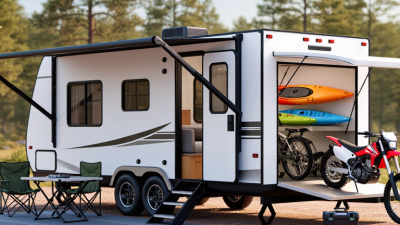
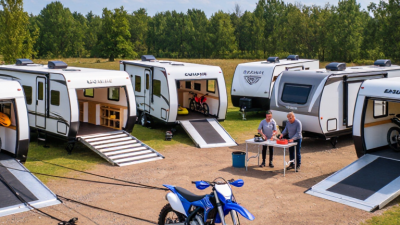
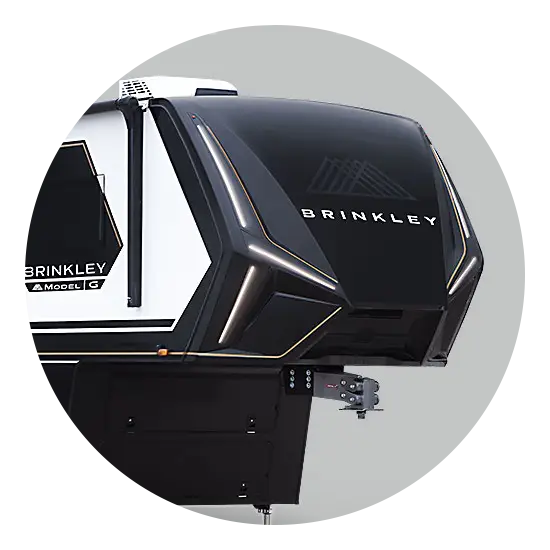
Choosing a toy hauler travel trailer is not just a matter of finding the largest garage or the most impressive floor plan. The right model should match what you carry, where you travel, and what your tow vehicle can safely handle. Start by listing your gear, from a compact dirt bike to camping chairs, then check the garage dimensions, payload rating, and door clearance. A few inches can matter when loading equipment. So can weight.
Look beyond advertised sleeping capacity. Compare the trailer’s gross vehicle weight rating with its unloaded weight and expected cargo, and confirm towing limits in your vehicle’s manual. Ask a qualified dealer to clarify how passengers, water, and gear affect the available payload. A spacious interior may feel ideal on a showroom floor, but it can be tiring to tow on narrow roads or in strong crosswinds. That tradeoff is easy to overlook.
Also consider how the living area works when the garage is in use. Check whether beds, seating, and storage remain practical after unloading. Inspect materials, seals, tie-down points, and service access, and request written specifications rather than relying on sales descriptions alone. No single layout suits every trip. The best choice balances usable cargo space, comfortable living, and realistic towing needs—and leaves room to reconsider assumptions before you buy.
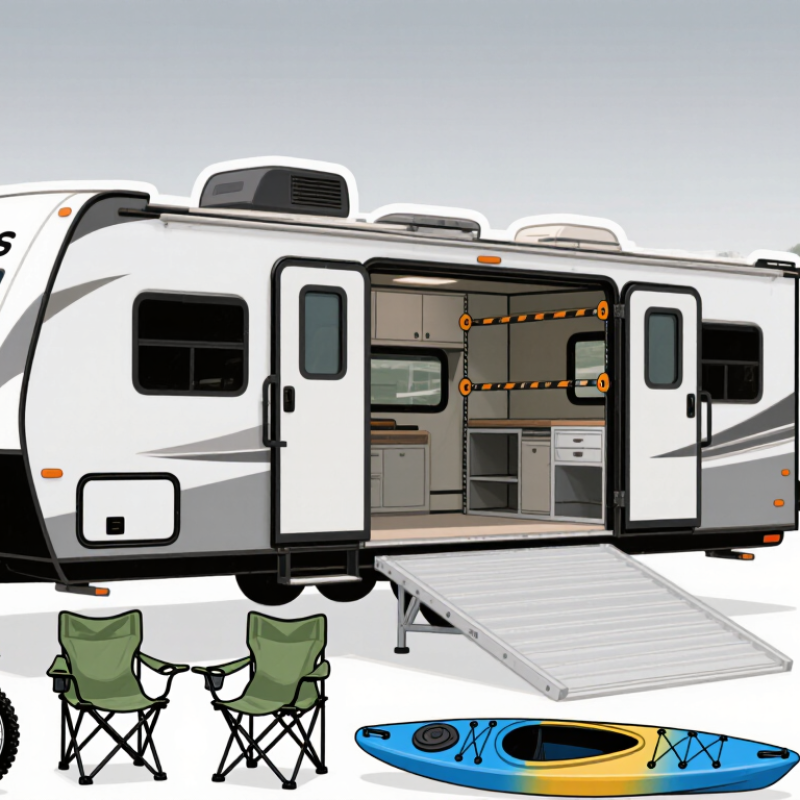
Define your toy hauler travel needs by listing what you will actually carry. Measure each motorcycle, kayak, or other recreational vehicle, including its handlebars, loading angle, and tie-down space. Then check garage length, ramp width, and the trailer’s cargo carrying capacity. A spacious garage is not useful if the loaded trailer exceeds your tow vehicle’s ratings.
Think about who travels with you and where you camp. Count sleeping spaces, estimate water use, and decide whether you need a bathroom or cooking area. Weekend trips may need less storage than longer stays. Small details matter: a wet jacket, muddy boots, and helmets all need somewhere to go. I would leave spare capacity. It is easy to underestimate gear.
Towing deserves careful planning. Compare the trailer’s expected loaded weight and tongue weight with your vehicle’s owner-manual limits, including payload and hitch ratings. RVIA’s 2024 RV Shipment Report recorded 333,733 U.S. RV shipments across the market; that figure covers all RV types, not toy haulers alone. It offers market context, not a buying rule. Your actual cargo list matters more. Recheck weights after packing. Plans change.
| Planning Dimension | Questions to Ask | Practical Guidance | Why It Matters |
|---|---|---|---|
| Toys and cargo | What will you carry, and what are its loaded dimensions and weight? | Measure each vehicle or item, including mirrors, handlebars, ramps, and accessories. Add the weights together and allow room for tie-downs and loading access. | Garage length and door clearance alone do not confirm that the trailer can safely carry the cargo. |
| Payload and weight limits | How much capacity remains after people, cargo, water, and accessories are included? | Check the specific trailer’s certification label and manual for its GVWR and cargo carrying capacity. Account for all added items; do not rely on a dry or brochure weight as the loaded weight. | Exceeding the trailer’s rated limits can compromise safe handling and component performance. |
| Tow vehicle compatibility | Can your vehicle tow the loaded trailer and support its hitch load? | Compare the vehicle’s ratings with the trailer’s actual loaded weight and measured tongue weight. Also check the vehicle’s payload, axle, hitch, and combined-weight limits; the lowest applicable rating governs. | A vehicle’s advertised maximum tow rating does not account for every passenger, accessory, or load in the vehicle. |
| Garage and living space | How much dedicated cargo space do you need, and how many people will sleep inside? | Compare usable garage length and width with your measured cargo. Check sleeping capacity, storage, and whether the garage converts into living or dining space. | A layout that fits the toys may leave less room for everyday living or sleeping. |
| Trip length and water use | Will you stay at serviced campgrounds or travel off-grid for several days? | Estimate fresh-water use and wastewater needs for your group, then compare tank capacities and power systems. Tank capacity does not guarantee a particular number of days; usage varies. | Longer stays without hookups require more careful planning for water, power, and waste. |
| Travel routes and storage | Where will you travel, and where will the trailer be parked between trips? | Check the trailer’s overall length, height, and width against your storage space, driveway, planned routes, and campground restrictions. Confirm clearances before travel. | Large trailers may limit access to some roads, sites, and residential storage areas. |
| Loading and safety features | Can you load, secure, and unload your cargo safely? | Inspect ramp dimensions and capacity, tie-down locations, garage access, ventilation, and any fuel-storage or generator arrangements. Follow the manuals and applicable safety instructions. | Safe loading depends on the trailer’s rated equipment and the cargo being secured correctly. |
| Budget and ownership costs | What can you spend on purchase, towing, storage, and upkeep? | Include insurance, registration, suitable tow equipment, fuel, campground fees, storage, maintenance, and repairs in your budget. | The purchase price is only one part of the total cost of ownership. |
Always verify weights, dimensions, and ratings on the specific trailer and tow vehicle, and use actual scale measurements when possible.