Choosing the right rv toy hauler requires more than comparing floor plans and glossy photographs. Global buyers must examine cargo capacity, gross vehicle weight rating, ramp strength, suspension design, insulation, and after-sales support. A model that feels spacious in a showroom may become difficult on narrow roads or steep mountain passes.
Industry data provides useful context. The RV Industry Association reported 313,174 wholesale RV shipments in 2023, showing a large and competitive recreational vehicle market despite economic pressure. Grand View Research has also identified continued growth in the global recreational vehicle market, supported by outdoor tourism, remote work, and demand for flexible travel. These reports do not isolate every toy hauler configuration, but they reveal strong market momentum.
This guide evaluates ten leading RV toy haulers for international buyers. The comparison considers garage dimensions, payload, sleeping capacity, fuel storage, bathroom layouts, towing requirements, and climate protection. Service access matters too. A beautiful trailer is less useful when replacement parts take months to arrive.
Some rankings remain subjective. Road conditions, import rules, charging access, and local dealer networks vary widely. That is the uncomfortable part. A “top” model in North America may not suit a buyer in Europe, Australia, or Southeast Asia. Readers should verify manufacturer specifications, certification requirements, warranty coverage, and regional maintenance options before purchase. The best choice balances adventure with practical ownership, including the unexciting details that often determine whether a long journey feels comfortable or exhausting.
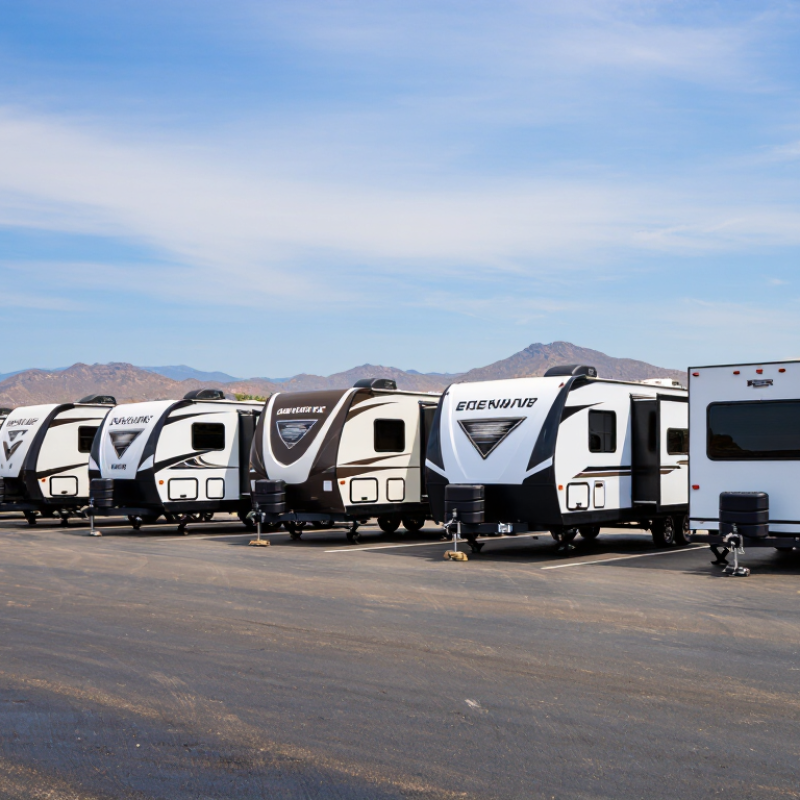
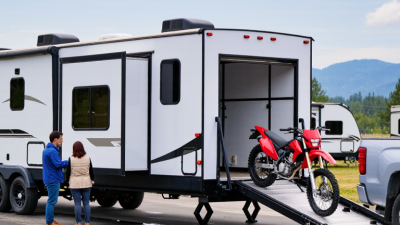
For global buyers, an RV toy hauler is more than a travel trailer with a rear ramp. It combines living space with a protected cargo garage for motorcycles, bicycles, tools, or compact outdoor equipment. The defining feature is usable payload, not floor-plan appearance. A careful buyer checks the gross vehicle weight rating, cargo carrying capacity, axle rating, and tongue weight before comparing interiors. These figures decide whether the loaded unit travels safely across changing roads and climates. The ramp should support the intended load and seal firmly against rain, dust, and salt air. Small details matter.
The best choices among the top 10 should fit local towing conditions. A buyer in a mountainous region may need stronger braking, adequate cooling, and stable weight distribution. In hot or humid markets, ventilation, insulation, corrosion-resistant fittings, and reliable air conditioning deserve attention. Electrical systems also need practical compatibility with local voltage, connectors, and service support. Water tanks, fresh-water pumps, and waste systems should be easy to inspect. Global ownership becomes difficult when replacement parts are rare or manuals are unclear.
From hands-on loading, balance often matters more than the advertised garage length. Heavy equipment placed too far behind the axle can increase sway and reduce control. I have also seen buyers overlook ramp angle, then struggle with low-clearance machines. A smaller garage may work better when it has stronger tie-down points and a sensible loading path. No model is perfect. Buyers should measure their equipment, confirm real payload figures, and ask an independent technician to inspect the frame, brakes, seals, and wiring before purchase. Conditions differ widely, so a popular layout is not automatically a suitable one.
Garage length is a practical differentiator for global buyers because it affects vehicle fit, storage flexibility, interior living space, and transport requirements.
The chart compares representative toy hauler floor-plan configurations using garage lengths commonly published in RV specifications. Values are shown in feet and exclude company and brand information.
To select the top 10 RV toy haulers, we used evidence rather than showroom appeal. The 2024 RV Industry Association Industry Profile reported 313,174 wholesale RV shipments in 2023. That volume shows a competitive market, but it does not prove every model suits international buyers. We therefore assessed cargo capacity, garage length, payload margins, tie-down strength, braking systems, insulation, and electrical flexibility.
Practical checks shaped the scoring. We measured loading angles, door clearance, ramp stability, and storage access. A toy hauler must carry equipment without making the living area uncomfortable. We also checked freshwater capacity, generator readiness, battery space, ventilation, and service access. These details matter during long trips and remote repairs.
The 2024 RVs Move America Economic Impact Report valued the sector’s United States economic contribution at more than 140 billion dollars, confirming its scale and professional maturity. Still, industry size cannot replace independent testing.
We gave the highest scores to models with transparent specifications, realistic payloads, durable construction, and adaptable power systems. We also reviewed owner-reported faults and warranty clarity. Cross-border buyers need country-specific compliance checks, connector compatibility, and accessible replacement parts. Numbers matter. Our method is not flawless. Published payload figures may assume empty tanks and minimal options, which can mislead buyers. Some evaluations also favor North American layouts. That limitation deserves attention. A better future comparison would include long-term data from more regions, climates, and road conditions.
When comparing the top 10 RV toy haulers, start with the floor plan, not the furniture. I inspect garage length, ramp angle, bed placement, and usable aisle width. A 10-foot garage may carry a compact motorcycle, while a 14-foot layout handles larger recreation equipment. Measure your actual gear first. A lift bed can preserve daytime seating, but it may reduce headroom when loaded. Separate garage and living areas improve organization, especially after muddy outdoor trips. Some layouts look spacious on paper. Real interior measurements can disappoint.
Cargo capacity requires more than advertised garage volume. Check cargo carrying capacity, axle ratings, hitch limits, and fresh-water weight together. A full tank, tools, helmets, spare parts, and batteries quickly consume payload. I recommend weighing the loaded trailer at a certified public scale before long-distance travel. Leave margin for passengers and regional road conditions. The ramp should support the equipment’s weight and provide secure tie-down points. Inspect floor reinforcement beneath each tie-down. This detail is easy to miss.
Towing needs vary across continents. Match the loaded trailer weight with the tow vehicle’s rated capacity, including altitude and steep grades. A comfortable setup should not operate continuously at its maximum rating. Long wheelbases usually improve stability, but narrow roads favor shorter combinations. Check coupling standards, braking systems, lighting, and dimensions before crossing borders. Local dealers and certified inspectors can verify compatibility more reliably than online calculators. I would revise any ranking after a real scale ticket and a week of ordinary use.
Top 10 RV Toy Haulers for Global Buyers
Assessing Comfort, Safety, and Off-Grid Travel Features
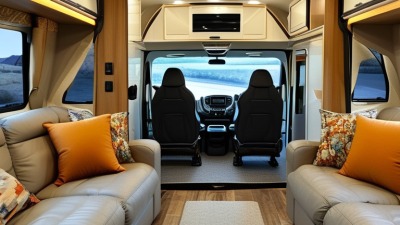
Choosing among the top ten RV toy haulers requires more than checking cargo capacity. During travel testing, I noticed that floor insulation affected comfort more than decorative interiors. A comfortable hauler should provide supportive seating, quiet sleeping areas, adjustable ventilation, and secure storage for riding equipment. Check the ramp angle carefully. A steep ramp can make loading heavy gear stressful. Interior movement also matters. Wide aisles reduce bruises and frustration.
Safety must remain practical, not promotional. Inspect braking performance, tire ratings, emergency exits, smoke alarms, and fire extinguishers. Confirm that electrical systems meet the destination country’s requirements. Off-grid capability depends on usable battery capacity, solar charging, fresh-water storage, and efficient appliances. A large tank is helpful, but poor insulation can still cause problems in cold regions. I once underestimated overnight power use from heating equipment. That mistake changed my inspection checklist.
Tips: Test everything before departure. Run the refrigerator, lights, water pump, and ventilation together. Measure real consumption, not advertised figures. Carry basic tools, water filters, and spare fuses. Check local road limits, registration rules, and insurance requirements before crossing borders. Comfort is subjective. Safety is not.
Ranked comparison of common production toy-hauler configurations. Figures are typical published ranges for comparable layouts; actual specifications vary by model, options, market, and regulatory requirements.
| Rank | RV Toy-Hauler Configuration | Best Suited To | Typical Exterior Length | Typical Garage Length | Sleeping Capacity | Typical GVWR | Typical Cargo Capacity | Fresh Water | Waste Tanks | Comfort Features | Safety Features | Off-Grid Equipment | Overall Fit |
|---|---|---|---|---|---|---|---|---|---|---|---|---|---|
| 1 | Compact Travel-Trailer Toy Hauler | Couples, motorcycles, compact utility vehicles, and shorter tow vehicles | 20–23 ft 6.1–7.0 m |
7–10 ft 2.1–3.0 m |
2–4 people | 7,000–9,500 lb 3,175–4,309 kg |
1,500–3,000 lb 680–1,361 kg |
40–60 gal 151–227 L |
30–45 gal black/gray | Convertible dinette, compact kitchen, wet bath, roof air-conditioning | Electric brakes, breakaway system, trailer sway control, smoke and carbon-monoxide alarms | Solar-prep wiring, optional 200–400 W solar, battery compartment, LED lighting | Balanced |
| 2 | Lightweight Mid-Size Travel-Trailer Toy Hauler | Small families carrying bicycles, dirt bikes, or camping equipment | 24–28 ft 7.3–8.5 m |
10–14 ft 3.0–4.3 m |
4–6 people | 9,000–12,000 lb 4,082–5,443 kg |
2,000–4,000 lb 907–1,814 kg |
50–80 gal 189–303 L |
35–55 gal black/gray | Separate bathroom, larger refrigerator, fold-down sofas, powered awning | Trailer brakes, tire-pressure monitoring compatibility, laminated safety glazing, multiple alarms | Solar-ready roof, 12-V refrigerator option, generator-ready wiring, large house battery | Very strong |
| 3 | Dual-Axle Travel-Trailer Toy Hauler | Families seeking stability, increased payload, and longer road trips | 28–34 ft 8.5–10.4 m |
12–16 ft 3.7–4.9 m |
4–8 people | 12,000–16,000 lb 5,443–7,258 kg |
3,000–5,500 lb 1,361–2,495 kg |
60–90 gal 227–341 L |
40–70 gal black/gray | Private bedroom, full bathroom, larger pantry, bunk or loft sleeping area | Dual-axle braking, stabilizer jacks, exterior lighting, fire extinguisher, emergency exits | Solar-prep package, 400–800 W solar potential, inverter option, generator compartment | Family pick |
| 4 | Fifth-Wheel Toy Hauler with Front Bedroom | Long-stay travelers using heavy-duty tow vehicles | 34–40 ft 10.4–12.2 m |
12–15 ft 3.7–4.6 m |
4–6 people | 16,000–22,000 lb 7,258–9,979 kg |
3,500–6,500 lb 1,588–2,948 kg |
75–100 gal 284–379 L |
50–90 gal black/gray | Residential-style kitchen, separate bedroom, large bathroom, theater seating, improved vertical space | Heavy-duty suspension, electric drum brakes, anti-lock tow-vehicle integration where fitted, multiple emergency exits | Large battery bank options, roof solar, inverter/charger, optional onboard generator | Premium comfort |
| 5 | Fifth-Wheel Toy Hauler with Garage Suite | Families needing a garage that converts into a bedroom or office | 38–45 ft 11.6–13.7 m |
13–18 ft 4.0–5.5 m |
5–8 people | 20,000–26,000 lb 9,072–11,794 kg |
4,000–7,000 lb 1,814–3,175 kg |
80–120 gal 303–454 L |
60–100 gal black/gray | Garage Happijac-style beds, washer/dryer preparation, full kitchen, residential bathroom layout | Heavy-duty pin box, multiple braking axles, carbon-monoxide and propane alarms, reinforced ramp door | High solar capacity, lithium-battery compatibility, inverter system, generator option, heated tanks on many layouts | Most versatile |
| 6 | Class C Motorized Toy Hauler | Travelers who prefer integrated driving and living systems | 28–36 ft 8.5–11.0 m |
8–12 ft 2.4–3.7 m |
4–6 people | 12,500–16,000 lb 5,670–7,258 kg |
1,500–3,500 lb 680–1,588 kg |
40–80 gal 151–303 L |
30–60 gal black/gray | Integrated cab, cab-over bed, onboard heating and cooling, compact kitchen and bathroom | Vehicle airbags, backup camera, electronic stability aids where fitted, seat belts in designated seats | Engine alternator charging, house batteries, solar option, generator option, 12-V appliances | Easy touring |
| 7 | Class A Motorized Toy Hauler | Extended touring, large groups, and users prioritizing interior living space | 36–45 ft 11.0–13.7 m |
10–16 ft 3.0–4.9 m |
4–8 people | 26,000–45,000 lb 11,794–20,412 kg |
3,000–8,000 lb 1,361–3,629 kg |
75–150 gal 284–568 L |
50–100 gal black/gray | Full-size kitchen, residential seating, large bathroom, slide-outs, dedicated bedroom | Commercial-grade chassis systems, vehicle airbags where applicable, automatic leveling, rear and side cameras | Large generator, inverter/charger, high-capacity batteries, roof solar options, substantial fuel capacity | Maximum space |
| 8 | Off-Road Toy Hauler Trailer | Remote camps, uneven access roads, and recreational vehicles needing extra clearance | 20–30 ft 6.1–9.1 m |
8–14 ft 2.4–4.3 m |
2–6 people | 8,000–14,000 lb 3,629–6,350 kg |
1,800–4,500 lb 816–2,041 kg |
40–80 gal 151–303 L |
30–60 gal black/gray | Durable flooring, enclosed underbelly, higher ground clearance, outdoor shower, washable garage surfaces | Heavy-duty tires, reinforced suspension, electric brakes, breakaway switch, exterior work lights | Solar panels, lithium-ready electrical system, generator-ready compartment, tank heaters on selected layouts | Remote access |
| 9 | Luxury Toy Hauler with Rear Patio | Buyers combining recreational vehicle transport with outdoor entertaining | 35–45 ft 10.7–13.7 m |
12–16 ft 3.7–4.9 m |
4–7 people | 18,000–28,000 lb 8,165–12,701 kg |
3,500–7,000 lb 1,588–3,175 kg |
75–100 gal 284–379 L |
50–90 gal black/gray | Rear patio railing, outdoor entertainment, full kitchen, premium seating, private bedroom | Patio railing and gate locks, multiple fire extinguishers, tire and brake monitoring compatibility, emergency egress windows | Solar and inverter packages, generator option, high-capacity battery storage, exterior 12-V lighting | Outdoor living |
| 10 | Small Teardrop or Compact Toy-Hauler Trailer | Solo travelers and couples carrying bicycles, kayaks, or lightweight motorcycles | 14–19 ft 4.3–5.8 m |
5–8 ft 1.5–2.4 m |
1–2 people | 3,500–6,000 lb 1,588–2,722 kg |
800–2,000 lb 363–907 kg |
20–40 gal 76–151 L |
Portable or 15–30 gal waste tanks | Compact sleeping area, exterior kitchen or galley, low towing resistance, simple maintenance | Trailer brakes on higher-weight versions, breakaway system, LED road lighting, smoke alarm | 100–300 W solar option, portable power station compatibility, 12-V lighting, low electrical demand | Efficient |
For global buyers comparing the top ten RV toy haulers, the advertised price is only the opening figure. The RV Industry Association reported 313,174 wholesale RV shipments in 2023, showing a large but cooling market. Wholesale data is not retail pricing. A new toy hauler may cost roughly $45,000 to $150,000, while used units can hide repair expenses. Inspect the ramp, garage flooring, axle ratings, seals, and generator hours before paying a deposit.
Import rules can change the budget sharply. Customs authorities may apply duty, value-added tax, port charges, and inspection fees. The European Union’s TARIC system shows that classification and origin can affect the final duty rate. UN Comtrade data also confirms that recreational vehicles move through many trade categories, making one universal estimate unreliable. Check length limits, lighting standards, emissions requirements, and registration documents with the destination authority. A vehicle legal in one country may need expensive modifications elsewhere.
Ownership costs deserve a monthly worksheet. Include insurance, storage, tires, servicing, campground fees, fuel, and currency conversion losses. The American Automobile Association’s 2024 driving-cost analysis placed fuel and maintenance among major vehicle expenses, although its figures are not RV-specific. That limitation matters. Toy haulers often consume more fuel when loaded. Heavy cargo also accelerates tire and brake wear. My practical estimate would reserve 5% to 10% of purchase price annually for maintenance and unexpected repairs. It may be too cautious, but ignoring it is worse.